
Nexalin Technology’s $5M Public Offering: A Liquidity Boost Amid Regulatory and Governance Challenges
Nexalin Technology (NASDAQ: NXL) has closed its $5.0 million underwritten public offering, marking a critical liquidity infusion for the neurotechnology firm. While the transaction underscores the company’s efforts to fund growth initiatives, it also highlights strategic risks tied to valuation, transparency, and governance. Here’s a deep dive into the implications for investors.
The Offering Details: A Discounted Price and Dilutive Impact
The offering priced at $1.30 per share, a 27% discount to the stock’s trading price of $1.79 at the time of the announcement. This suggests investor skepticism or market pressure, as Nexalin’s stock had already declined 37% over six months prior to the offering. The issuance of 3.85 million shares diluted existing shareholders, though precise dilution metrics remain unclear due to the lack of prior share count disclosure.
The offering included an over-allotment option for underwriters to purchase an additional 577,500 shares, potentially amplifying near-term supply pressures. Maxim Group LLC’s role as sole bookrunner raises questions about the underwriting terms’ fairness, given the below-market pricing.
Use of Proceeds: Vague Priorities, Strategic Gaps
Nexalin allocated the net proceeds to “general corporate purposes,” including working capital, sales and marketing, product development, and capital expenditures. However, the company omitted specifics about advancing its core Deep Intracranial Frequency Stimulation (DIFS™) technology or clinical trials. This lack of clarity contrasts with its recent progress, such as the HALO™ device trial for PTSD and mild traumatic brain injury at UC San Diego.
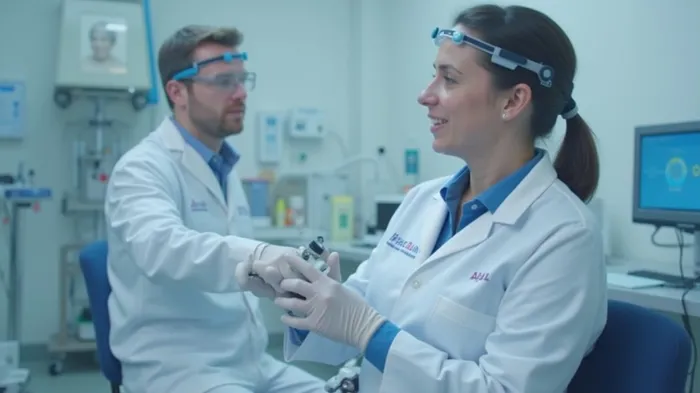
Investors seeking targeted capital allocation—such as scaling production for its Gen-2 15mA device, which has regulatory approvals in China, Brazil, and Oman—will likely demand more transparency. The absence of such details risks undermining confidence in management’s strategic vision.
Institutional Sentiment: Mixed Signals
Institutional holdings reflect diverging views:
- Optimism: Vanguard Group increased its stake by 294.8%, and Geode Capital raised positions by 36.3%.
- Pessimism: Renaissance Technologies, Citadel Advisors, and Susquehanna International Group fully exited their stakes, while others like Virtu Financial and Two Sigma liquidated holdings.
This split suggests a market grappling with Nexalin’s potential in the growing mental health tech sector—estimated to reach $15 billion by 2030—versus execution risks.
Regulatory and Governance Concerns
Nexalin’s recent Form S-1 filing and SEC disclosures revealed material weaknesses in internal controls, flagged during its audit transition to CBIZ CPAs P.C. Such governance gaps, coupled with forward-looking statements about market competition and regulatory hurdles, add layers of uncertainty.
The company’s reliance on Form S-3 shelf registration—a streamlined filing for seasoned issuers—highlights its capital-raising flexibility but also its need for frequent liquidity injections. This structure, while efficient, may signal a reliance on secondary offerings rather than organic growth.
Conclusion: A High-Risk, High-Reward Gamble
Nexalin’s $5.0 million offering buys time to execute on its neurotechnology pipeline, particularly its clinical trials and international approvals. However, the below-market pricing, governance issues, and vague capital allocation plan pose significant risks.
Key data points:
- Market context: The stock’s 37% six-month decline underscores investor dissatisfaction.
- Institutional divergence: While some institutions doubled down, prominent exits suggest lingering doubts.
- Regulatory progress: Approvals in key markets like China and Brazil position Nexalin to capitalize on demand for non-invasive mental health solutions, but execution is far from assured.
For investors, Nexalin represents a speculative play on a promising niche. Success hinges on clear communication of capital use, resolution of governance concerns, and clinical milestones. Until then, the stock remains a high-risk bet in a crowded neurotechnology landscape.





Comentarios
Aún no hay comentarios