
Two Newsworthy Upgrades and Downgrades: Tesla and Netflix
Generado por agente de IAEli Grant
miércoles, 18 de diciembre de 2024, 11:10 pm ET1 min de lectura
MS--
In the dynamic world of investments, companies often receive upgrades or downgrades from analysts, reflecting changes in their perceived value. Two recent notable upgrades and downgrades are those of Tesla and Netflix.
Tesla, the electric vehicle (EV) giant, received an upgrade from Morgan Stanley, raising its price target to $388 from $333. This upgrade was driven by Tesla's strong delivery numbers and the potential for increased demand in China, as well as the company's growing energy business. The upgrade aligns with the broader trend of EV adoption, with global EV sales expected to reach 145 million units by 2030, according to BloombergNEF.
Netflix, on the other hand, faced a downgrade from Bank of America, which lowered its price target to $275 from $330. This downgrade was primarily due to concerns about subscriber growth and increased competition in the streaming market. The downgrade comes amidst a broader shift in the entertainment industry, with traditional media companies like Disney and Warner Bros. Discovery investing heavily in streaming services.
These upgrades and downgrades reflect the dynamic nature of the market, with companies' fortunes ebbing and flowing based on a variety of factors. As investors, it's crucial to stay informed about these changes and the underlying factors driving them, as they can significantly impact portfolio performance. By understanding the broader economic landscape and the specific dynamics of individual companies, investors can make more informed decisions about when to buy, sell, or hold stocks.
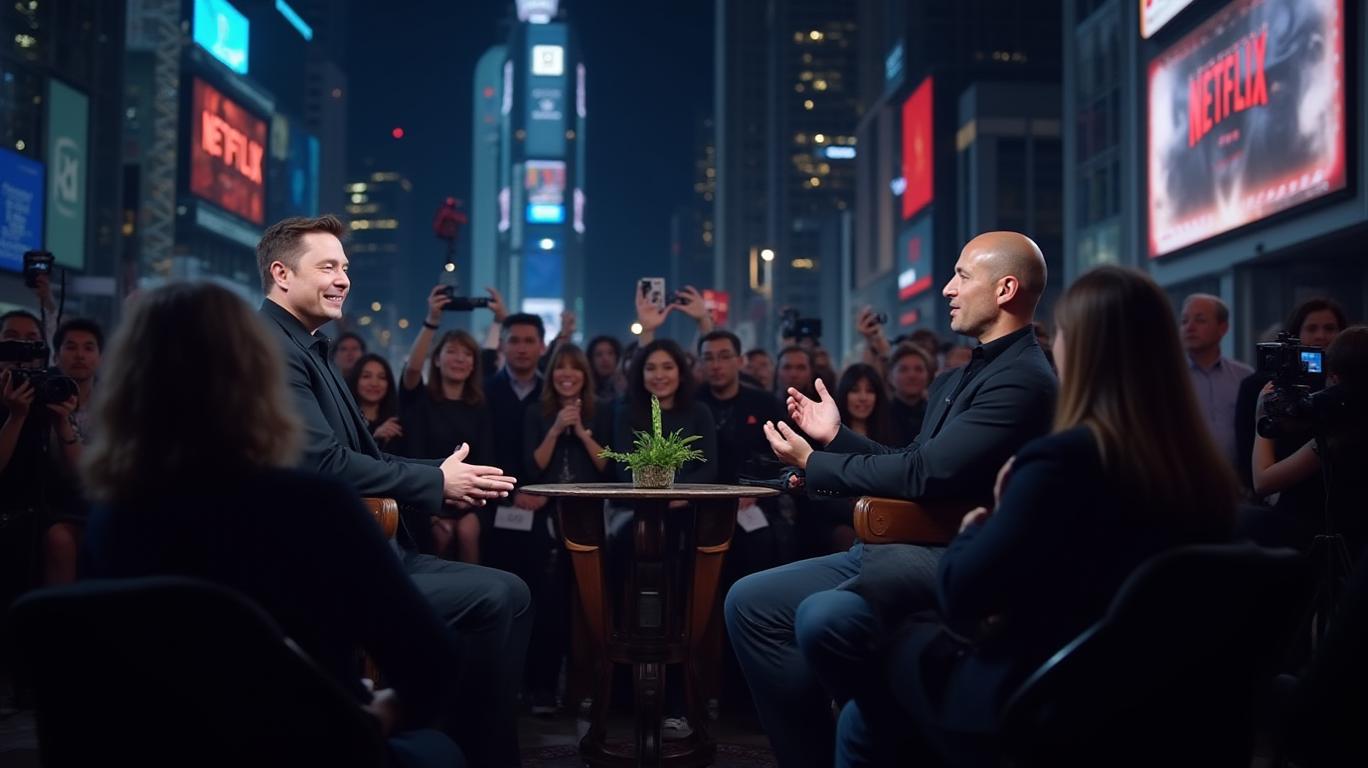
The recent upgrades and downgrades of Tesla and Netflix have significant implications for institutional investors' capital flow and investment strategies. The upgrade of Tesla reflects the company's strong financial performance and growth potential, particularly in services and wearables. This positive outlook may encourage institutional investors to increase their exposure to Tesla, as they seek to capitalize on the company's robust fundamentals and potential for further growth. Conversely, the downgrade of Netflix highlights concerns about the company's subscriber growth and increased competition in the streaming market. This downgrade may prompt institutional investors to reassess their positions in Netflix, potentially leading to a reduction in capital allocation to the company.
In conclusion, the recent upgrades and downgrades of Tesla and Netflix serve as reminders of the dynamic nature of the investment landscape. As investors, it's essential to stay informed about these changes and the underlying factors driving them, as they can significantly impact portfolio performance. By understanding the broader economic landscape and the specific dynamics of individual companies, investors can make more informed decisions about when to buy, sell, or hold stocks.
NFLX--
TSLA--
In the dynamic world of investments, companies often receive upgrades or downgrades from analysts, reflecting changes in their perceived value. Two recent notable upgrades and downgrades are those of Tesla and Netflix.
Tesla, the electric vehicle (EV) giant, received an upgrade from Morgan Stanley, raising its price target to $388 from $333. This upgrade was driven by Tesla's strong delivery numbers and the potential for increased demand in China, as well as the company's growing energy business. The upgrade aligns with the broader trend of EV adoption, with global EV sales expected to reach 145 million units by 2030, according to BloombergNEF.
Netflix, on the other hand, faced a downgrade from Bank of America, which lowered its price target to $275 from $330. This downgrade was primarily due to concerns about subscriber growth and increased competition in the streaming market. The downgrade comes amidst a broader shift in the entertainment industry, with traditional media companies like Disney and Warner Bros. Discovery investing heavily in streaming services.
These upgrades and downgrades reflect the dynamic nature of the market, with companies' fortunes ebbing and flowing based on a variety of factors. As investors, it's crucial to stay informed about these changes and the underlying factors driving them, as they can significantly impact portfolio performance. By understanding the broader economic landscape and the specific dynamics of individual companies, investors can make more informed decisions about when to buy, sell, or hold stocks.
The recent upgrades and downgrades of Tesla and Netflix have significant implications for institutional investors' capital flow and investment strategies. The upgrade of Tesla reflects the company's strong financial performance and growth potential, particularly in services and wearables. This positive outlook may encourage institutional investors to increase their exposure to Tesla, as they seek to capitalize on the company's robust fundamentals and potential for further growth. Conversely, the downgrade of Netflix highlights concerns about the company's subscriber growth and increased competition in the streaming market. This downgrade may prompt institutional investors to reassess their positions in Netflix, potentially leading to a reduction in capital allocation to the company.
In conclusion, the recent upgrades and downgrades of Tesla and Netflix serve as reminders of the dynamic nature of the investment landscape. As investors, it's essential to stay informed about these changes and the underlying factors driving them, as they can significantly impact portfolio performance. By understanding the broader economic landscape and the specific dynamics of individual companies, investors can make more informed decisions about when to buy, sell, or hold stocks.

Divulgación editorial y transparencia de la IA: Ainvest News utiliza tecnología avanzada de Modelos de Lenguaje Largo (LLM) para sintetizar y analizar datos de mercado en tiempo real. Para garantizar los más altos estándares de integridad, cada artículo se somete a un riguroso proceso de verificación con participación humana.
Mientras la IA asiste en el procesamiento de datos y la redacción inicial, un miembro editorial profesional de Ainvest revisa, verifica y aprueba de forma independiente todo el contenido para garantizar su precisión y cumplimiento con los estándares editoriales de Ainvest Fintech Inc. Esta supervisión humana está diseñada para mitigar las alucinaciones de la IA y garantizar el contexto financiero.
Advertencia sobre inversiones: Este contenido se proporciona únicamente con fines informativos y no constituye asesoramiento profesional de inversión, legal o financiero. Los mercados conllevan riesgos inherentes. Se recomienda a los usuarios que realicen una investigación independiente o consulten a un asesor financiero certificado antes de tomar cualquier decisión. Ainvest Fintech Inc. se exime de toda responsabilidad por las acciones tomadas con base en esta información. ¿Encontró un error? Reportar un problema




Comentarios
Aún no hay comentarios