
NewPrinces Seizes Beverage Market Dominance Through Strategic Italian Acquisition
The European beverage market is undergoing a seismic shift, and NewPrinces—formerly Newlat Food—is positioning itself at the epicenter of this transformation. The company’s recent acquisition of Diageo’s shuttered Italian plant in Santa Vittoria d’Alba marks a bold move to capitalize on rising demand for ready-to-drink (RTD) beverages and low/no-alcohol offerings while countering Diageo’s retreat from fragmented markets. This strategic consolidation isn’t just about acquiring assets—it’s about redefining the future of European beverage leadership.
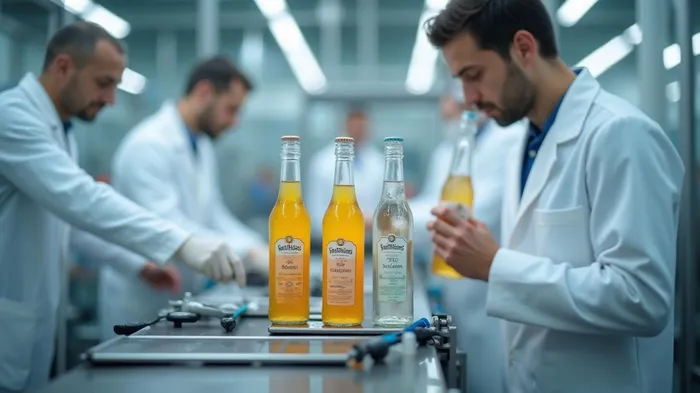
Strategic Consolidation: A Play for Market Share and Margins
NewPrinces’ acquisition of the Santa Vittoria plant—a facility with a storied history tied to Italy’s iconic Cinzano brand—is a masterstroke of strategic foresight. The plant’s specialized production lines for RTD cocktails, craft gins (like Diageo’s former Villa Ascenti), and low/no-alcohol drinks align perfectly with two megatrends:
1. RTD Growth: The global RTD market is projected to hit $50 billion by 2030, fueled by millennials’ preference for convenience and mixability.
2. Low/No-Alcohol Shift: A 2025 Euromonitor report notes that 35% of European drinkers now opt for reduced-alcohol beverages, a segment NewPrinces can now dominate with Italy’s artisanal expertise.
By integrating this facility into its operations, NewPrinces gains a foothold in premium beverage categories that sit adjacent to its existing £350 million non-alcoholic portfolio (via Princes Group). The synergy is clear: leveraging Princes’ distribution networks and brand equity in the UK to push RTD and low-alcohol drinks across Europe.
The company’s EBITDA margin jumped from 6% to 8.2% in Q1 2025, demonstrating operational efficiency gains that this acquisition will amplify.
Labor Preservation: A Win for Italy, a Win for NewPrinces’ Reputation
The deal’s most compelling angle? NewPrinces’ commitment to preserving all 349 jobs at the plant—a stark contrast to Diageo’s decision to close it as part of its restructuring. This isn’t just corporate social responsibility; it’s a shrewd business move.
- Brand Loyalty: In Italy’s fiercely protective food-and-wine culture, the plant’s revival reinforces NewPrinces as a champion of local craftsmanship.
- Workforce Expertise: The skilled labor force at Santa Vittoria retains deep knowledge of traditional Italian aperitifs and spirits, which NewPrinces can now leverage to innovate in niche categories.
This labor-first approach also insulates the company from union disputes or regulatory hurdles, ensuring smooth operations as it scales.
Diageo’s Retreat Creates an Opening—And Risks
Diageo’s decision to exit the Italian plant isn’t arbitrary. The beverage giant is trimming its portfolio, shedding underperforming assets (e.g., UK’s Chase Distillery, India’s Hyderabad plant) to focus on core markets. This retreat is driven by a 6% sales decline in Southern Europe and a broader strategy to prioritize high-margin brands like Guinness and Smirnoff.
For NewPrinces, this is a golden opportunity—but risks remain:
1. Macro Uncertainties: Diageo’s European struggles hint at broader market softness. NewPrinces must navigate price-sensitive consumers in deflationary markets (Italy’s dairy segment revenue dropped 7% in Q1 2025).
2. Integration Hurdles: Merging the plant’s operations with Princes’ UK-based systems could strain supply chains if poorly executed.
Diageo’s Southern Europe sales have trended downward since Q4 2023, creating space for competitors like NewPrinces to capture market share.
Why Invest Now: The Case for Immediate Action
NewPrinces isn’t just buying a plant—it’s acquiring a platform for exponential growth. Here’s why investors should act:
1. Sector Consolidation Pays Off
The European beverage industry is fragmented, with small players struggling to compete in a digital-first, trend-driven market. NewPrinces’ track record of acquisitions (e.g., Princes Group for £700 million) proves it can scale efficiently. The Santa Vittoria plant adds critical mass, enabling the company to:
- Expand Margins: Vertical integration reduces reliance on third-party bottlers.
- Control Innovation: In-house production of RTD and low-alcohol drinks allows rapid iteration to meet consumer trends.
2. The IPO Catalyst
The company is exploring a London Stock Exchange listing for its Food & Drinks division, which aims to hit €3 billion in 2025 revenue. A successful IPO would unlock liquidity for further acquisitions (e.g., Plasmon from Kraft Heinz at €100 million) while boosting valuation multiples.
3. Job Preservation as a Competitive Moat
In a region where labor costs are rising and talent is scarce, NewPrinces’ commitment to retaining skilled workers at Santa Vittoria creates a defensible advantage. This workforce stability reduces operational risks and positions the plant as a long-term asset.
Final Call: Don’t Miss the Wave
NewPrinces is at a pivotal inflection point. The Santa Vittoria acquisition isn’t just a defensive move—it’s an offensive play to own Europe’s premium beverage future. With synergies already boosting margins, a robust pipeline of acquisitions, and a management team proven to execute, this is a rare opportunity to back a consolidator primed for outsized returns.
The risks? Yes, macroeconomic headwinds and execution challenges loom. But in a fragmented market with clear demand tailwinds, NewPrinces’ strategy is too compelling to ignore. Investors who act now will capture the upside of a company rewriting the rules of European beverage leadership.
Act fast—or risk being left behind in the RTD rush.





Comentarios
Aún no hay comentarios