
The Netflix-Warner Bros. Merger and Its Implications for Cinemark and the Theater Industry
. Discovery's (WBD) Streaming & Studios division by NetflixNFLX-- has ignited a seismic shift in the entertainment landscape, with profound implications for CinemarkCNK-- and the broader theater industry. As regulators grapple with antitrust concerns and competing bids complicate the deal's trajectory, investors must assess both the strategic risks and timing opportunities for Cinemark. This analysis synthesizes regulatory, financial, and strategic dynamics to evaluate the investment outlook.
Regulatory and Strategic Risks of the Netflix-Warner Bros. Merger
The merger's regulatory hurdles remain its most critical uncertainty. has explicitly called for a rigorous antitrust review, warning that the deal could entrench Netflix's dominance in streaming, reduce consumer choice, and drive up prices. European regulators are expected to impose conditions for approval, while U.S. scrutiny remains unresolved. The Department of Justice may challenge the merger if it perceives a threat to competition, particularly as Netflix's market share could surpass 30% post-acquisition.
Compounding these challenges is , which alleges bias in WBD's board process. This competition delays clarity on the deal's fate, with final regulatory and legal resolution likely extending into late 2026 or 2027. For Cinemark, this uncertainty translates to prolonged strategic risk, as the merger's outcome will directly shape the streaming-theater value chain.
Cinemark's Strategic Initiatives to Counter Streaming Competition
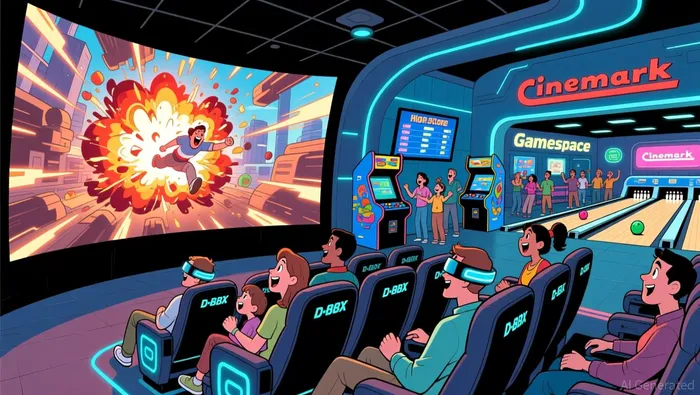 Cinemark has aggressively pursued innovation to differentiate the theatrical experience. , enhancing immersion. , while initiatives like Gamescape-a family entertainment center with arcades and bowling-aim to diversify revenue streams according to analysis.
These efforts reflect Cinemark's recognition of streaming's threat. acknowledges the challenge but emphasizes the enduring appeal of blockbusters for theatrical exclusivity. However, the merger could accelerate the erosion of traditional , further compressing cinema's competitive edge.
Financial Performance and Market Position
Cinemark's Q2 2025 results highlight its current resilience: , with adjusted EBITDA climbing 63% to $232.2 million. Despite this, , reflecting investor anxiety over streaming competition and the merger's potential fallout. followed Netflix executives hinting at aggressive post-acquisition.
Analysts project for Cinemark by 2029 due to shifting industry dynamics. However, analysis suggests , hinting at long-term growth potential if the company navigates these risks effectively.
Investment Timing and Strategic Risk Assessment
The merger's regulatory timeline and outcome will dictate Cinemark's investment viability. If approved, the deal could intensify streaming's dominance, compressing theater margins and accelerating trends. Conversely, regulatory rejection or a Paramount acquisition of WBDWBD-- might stabilize the industry, potentially pushing Cinemark's stock toward a $28 price target.
Investors should prioritize timing based on three scenarios:
1. Short-Term (2025–2026): High volatility persists due to regulatory uncertainty. underscores near-term risk.
2. Mid-Term (2026–2027): Post-Q3 2026, when WBD's spin-off of its concludes, clarity on the merger's fate may emerge. A favorable regulatory outcome could depress Cinemark's valuation further, while delays or rejections might create buying opportunities.
3. Long-Term (2027+): Cinemark's strategic investments in and diversification could yield returns if the theater experience adapts to streaming's dominance. However, may pressure its .
Conclusion
The Netflix-Warner Bros. merger represents a pivotal inflection point for Cinemark and the theater industry. While Cinemark's strategic initiatives and financial resilience offer a buffer, the merger's regulatory and competitive risks remain acute. Investors must weigh the likelihood of antitrust challenges, the potential for a Paramount-led alternative, and Cinemark's ability to innovate. For now, a cautious approach is warranted, with a focus on mid-to-long-term horizons once regulatory clarity emerges.





Comentarios
Aún no hay comentarios