
Netflix's $72 Billion Acquisition of Warner Bros. Discovery: A New Era for Streaming Industry Dynamics
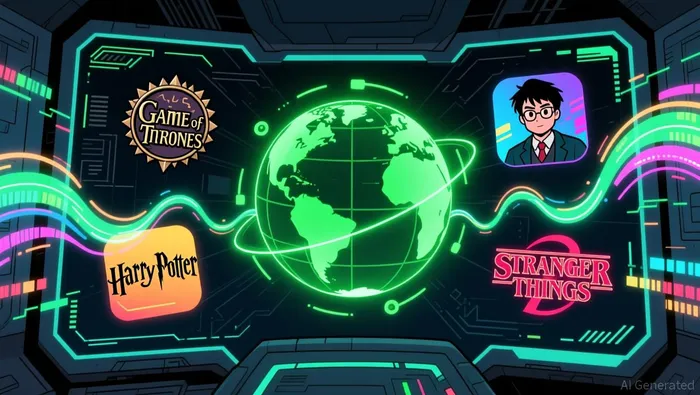
The streaming wars have entered a new phase with Netflix's landmark $72 billion acquisition of Warner Bros.WBD-- Discovery's (WBD) studios and streaming assets, a deal that promises to reshape the competitive landscape of the entertainment industry. By combining Netflix's 300 million global subscribers with WBD's iconic franchises-Harry Potter, DC Comics, Game of Thrones, and HBO Max-this transaction creates an unparalleled content and distribution powerhouse. However, the deal's success hinges on navigating regulatory scrutiny, operational integration challenges, and the broader implications for market concentration in a sector already grappling with antitrust concerns.
Strategic Implications: Consolidation vs. Innovation
The acquisition marks a strategic pivot for NetflixNFLX--, shifting from its traditional model of in-house content creation to acquiring premium intellectual property (IP) from WBDWBD--. This move is designed to deepen Netflix's content moat, offering a broader array of high-profile titles to retain and attract subscribers. According to a report by , the combined entity will boast a library that includes both Stranger Things and The Big Bang Theory, creating a "one-stop shop" for global audiences.
However, this consolidation raises questions about the long-term health of the streaming ecosystem. Critics argue that the merger could stifle innovation by reducing the number of independent players competing to produce original content. As noted by antitrust experts in , the deal may lead to "predatory pricing, bundling, and anti-competitive business practices," ultimately harming consumer choice. For Netflix, the challenge lies in balancing scale with the creative diversity that has historically driven its success.
Financial Risks and Rewards
The financial structure of the deal-a mix of cash and stock-reflects Netflix's confidence in its long-term value proposition. Each WBD shareholder will receive $23.25 in cash and $4.501 in Netflix shares per WBD share, subject to a collar mechanism tied to Netflix's stock price according to Netflix's official announcement. To fund the acquisition, Netflix has arranged up to $59 billion in financing, a move that significantly increases its debt load but is offset by projected annual cost savings of $2–$3 billion.
While the deal's proponents highlight synergies-such as combining HBO Max's 128 million subscribers with Netflix's existing base-there are risks. The integration of WBD's theatrical and syndication-driven model with Netflix's streaming-first approach could prove operationally complex. notes, this shift from organic subscriber growth to consolidation redefines how streaming platforms balance content scale, distribution control, and monetization.
Regulatory Hurdles: A Political and Legal Minefield
The deal has already drawn sharp warnings from U.S. lawmakers, including Senator Mike Lee and Representative Darrell Issa, who argue that the merger could dangerously consolidate market power in the streaming sector according to The Center Square. In the European Union, regulators are preparing a rigorous antitrust review, with potential remedies including maintaining existing licensing agreements or divesting assets like HBO Max as reported by Deadline.
The political landscape further complicates the regulatory outlook. highlights that blocking the merger could have geopolitical ramifications, particularly given the Trump administration's historically favorable stance on large deals. Meanwhile, cinema owners, including Paramount, have raised concerns that Netflix's streaming-forward model could further erode the viability of traditional theatrical exhibition as reported by Fortune.
Competitive Reactions and Market Concentration
The acquisition has triggered a strategic recalibration across the industry. Competitors like Paramount and Comcast are positioning themselves as alternatives to Netflix in the WBD bidding war, with a Paramount-WBD merger potentially creating a 200-million-subscriber platform to counter Amazon and Netflix according to . This dynamic underscores a broader trend of vertical integration in the streaming sector, where companies seek to control more of the content production and distribution pipeline.
Market concentration is a growing concern. If the deal closes, Netflix's global subscriber share could exceed 50%, raising red flags about reduced competition. Smaller legacy media companies may struggle to compete with the unit economics and ecosystems of large platforms, further accelerating industry consolidation.
Conclusion: A Transformative Move or a Regulatory Quagmire?
Netflix's acquisition of WBD represents a bold bet on the future of entertainment. By amassing a vast content library and expanding its subscriber base, the company aims to solidify its dominance in a sector increasingly defined by scale and IP. However, the deal's success is far from guaranteed. Regulatory hurdles, operational integration challenges, and the risk of antitrust pushback could redefine the streaming landscape in ways that even Netflix's executives may not anticipate.
For investors, the long-term upside lies in a more consolidated industry yielding fatter profits, but the risks-including regulatory delays, integration complexities, and increased debt costs-cannot be ignored according to 247 Wall Street. As the streaming wars evolve, this acquisition may mark either the dawn of a new era or a cautionary tale about the perils of unchecked consolidation.





Comentarios
Aún no hay comentarios