
Nayib Bukele's Prison Offer: A Bid to Charm Trump or a Gamble?
Generado por agente de IAHarrison Brooks
miércoles, 5 de febrero de 2025, 10:54 am ET1 min de lectura
EL--
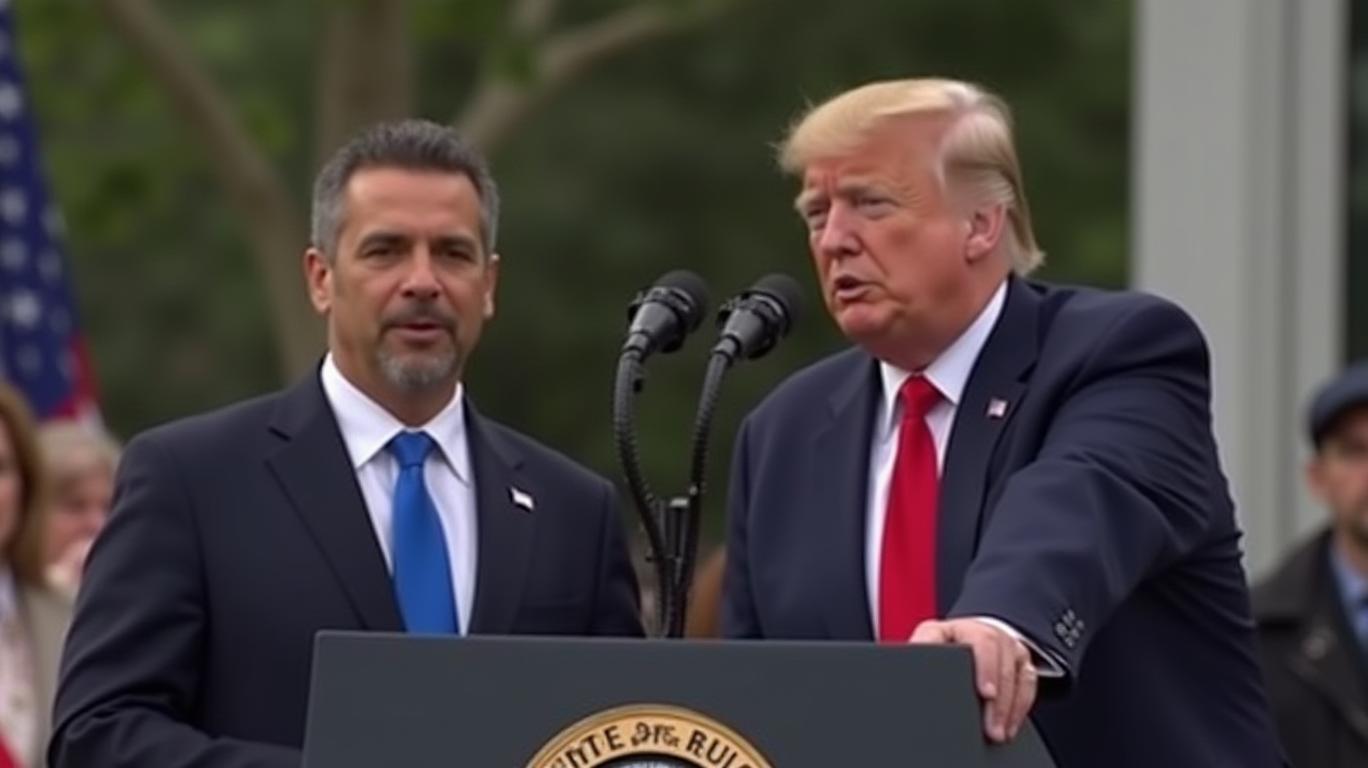
In an unexpected turn of events, El Salvador's President Nayib Bukele has offered to house American prisoners in his country's notorious CECOT mega-prison. This bold proposal has sparked debate and raised questions about the feasibility and sustainability of such an agreement. As the political and economic factors surrounding this offer continue to evolve, it is essential to examine the potential implications and challenges that lie ahead.
El Salvador's prison system is already overcrowded, with the highest prison population rate per capita in the world. The construction of the CECOT mega-prison cost $115 million, and its maintenance and operation require significant resources. Housing American prisoners would add to these costs, potentially straining El Salvador's economy. Moreover, the country's "Plan Cero Ocio" program, which uses prisoners for labor, has been criticized as akin to slave labor, raising concerns about its sustainability and legality.

Politically, Bukele's offer could improve El Salvador's relationship with the United States, potentially leading to increased aid and investment. However, it could also strain relations if the U.S. perceives El Salvador as not meeting its obligations or if human rights concerns arise. Domestically, Bukele's popularity and political power are significant factors in the feasibility of this offer. However, his controversial policies and human rights abuses have drawn criticism and could lead to political instability or international sanctions.
Legally, housing American prisoners in El Salvador raises questions about the U.S. Constitution and international law. The U.S. Constitution prohibits the exportation of U.S. citizens for punishment, and the Eighth Amendment's prohibition on cruel and unusual punishment may be violated if prisoners are subjected to inhumane conditions in El Salvador. Additionally, the United Nations Standard Minimum Rules for the Treatment of Prisoners and the Inter-American Convention on Human Rights may be violated if prisoners are subjected to overcrowding, inadequate sanitation, and other harsh conditions.

In conclusion, El Salvador's offer to house American prisoners is influenced by various economic and political factors that may evolve over time. While the proposal aligns with the U.S. prison system's goals and constraints, it also presents potential long-term effects, such as legal challenges, poor prison conditions, and increased gang activity, which could negatively impact both countries' criminal justice systems. As the political and economic factors surrounding this offer continue to evolve, it is crucial to monitor the situation closely and address any challenges that arise to ensure the safety and well-being of all parties involved.
Word count: 598
In an unexpected turn of events, El Salvador's President Nayib Bukele has offered to house American prisoners in his country's notorious CECOT mega-prison. This bold proposal has sparked debate and raised questions about the feasibility and sustainability of such an agreement. As the political and economic factors surrounding this offer continue to evolve, it is essential to examine the potential implications and challenges that lie ahead.
El Salvador's prison system is already overcrowded, with the highest prison population rate per capita in the world. The construction of the CECOT mega-prison cost $115 million, and its maintenance and operation require significant resources. Housing American prisoners would add to these costs, potentially straining El Salvador's economy. Moreover, the country's "Plan Cero Ocio" program, which uses prisoners for labor, has been criticized as akin to slave labor, raising concerns about its sustainability and legality.
Politically, Bukele's offer could improve El Salvador's relationship with the United States, potentially leading to increased aid and investment. However, it could also strain relations if the U.S. perceives El Salvador as not meeting its obligations or if human rights concerns arise. Domestically, Bukele's popularity and political power are significant factors in the feasibility of this offer. However, his controversial policies and human rights abuses have drawn criticism and could lead to political instability or international sanctions.
Legally, housing American prisoners in El Salvador raises questions about the U.S. Constitution and international law. The U.S. Constitution prohibits the exportation of U.S. citizens for punishment, and the Eighth Amendment's prohibition on cruel and unusual punishment may be violated if prisoners are subjected to inhumane conditions in El Salvador. Additionally, the United Nations Standard Minimum Rules for the Treatment of Prisoners and the Inter-American Convention on Human Rights may be violated if prisoners are subjected to overcrowding, inadequate sanitation, and other harsh conditions.
In conclusion, El Salvador's offer to house American prisoners is influenced by various economic and political factors that may evolve over time. While the proposal aligns with the U.S. prison system's goals and constraints, it also presents potential long-term effects, such as legal challenges, poor prison conditions, and increased gang activity, which could negatively impact both countries' criminal justice systems. As the political and economic factors surrounding this offer continue to evolve, it is crucial to monitor the situation closely and address any challenges that arise to ensure the safety and well-being of all parties involved.
Word count: 598

Divulgación editorial y transparencia de la IA: Ainvest News utiliza tecnología avanzada de Modelos de Lenguaje Largo (LLM) para sintetizar y analizar datos de mercado en tiempo real. Para garantizar los más altos estándares de integridad, cada artículo se somete a un riguroso proceso de verificación con participación humana.
Mientras la IA asiste en el procesamiento de datos y la redacción inicial, un miembro editorial profesional de Ainvest revisa, verifica y aprueba de forma independiente todo el contenido para garantizar su precisión y cumplimiento con los estándares editoriales de Ainvest Fintech Inc. Esta supervisión humana está diseñada para mitigar las alucinaciones de la IA y garantizar el contexto financiero.
Advertencia sobre inversiones: Este contenido se proporciona únicamente con fines informativos y no constituye asesoramiento profesional de inversión, legal o financiero. Los mercados conllevan riesgos inherentes. Se recomienda a los usuarios que realicen una investigación independiente o consulten a un asesor financiero certificado antes de tomar cualquier decisión. Ainvest Fintech Inc. se exime de toda responsabilidad por las acciones tomadas con base en esta información. ¿Encontró un error? Reportar un problema


SOBRE NOSOTROS
Nuestra historiaAutores de noticiasBase de conocimientosPolítica de privacidadTérmino de usoDescargo de responsabilidad de corretaje de tercerosTérminos de uso de AIMEDivulgaciones de riesgos de AInvest AICarrerasCONTÁCTENOS
Email: support@ainvest.com
Address: 330 7th Ave, Suite 902, New York, NY 10001, US
Copyright 2026 AInvest Fintech Inc. All rights reserved.


Comentarios
Aún no hay comentarios