
Navigating Volatility: How Trading Desks Can Capitalize on Market Swings
Generado por agente de IAAinvest Investing 101
jueves, 10 de abril de 2025, 9:10 pm ET1 min de lectura
GIND--
Introduction:
Volatility in the stock market often evokes a sense of uncertainty among investors, but it also presents opportunities for those who understand how to navigate it. This article explores the concept of market volatility, its relevance to investors, and how trading desks can leverage it to capitalize on market swings.
Core Concept Explanation:
Market volatility refers to the rate at which the price of a security increases or decreases for a given set of returns. It is often measured by the standard deviation of returns. A high volatility means large price swings in a short period, whereas low volatility indicates smaller and steadier price movements. Volatility is an essential concept for investors as it can affect both risks and rewards. Understanding volatility helps investors make informed decisions about when to buy or sell.
Application and Strategies:
Trading desks are professional teams within financial institutionsFISI-- that execute trades on behalf of clients or their firms. They use volatility as a key metric to devise strategies such as arbitrage, hedging, and speculative trading. For instance, during periods of high volatility, trading desks might employ options trading strategies like straddles or strangles, which can profit from large price movements in either direction. Another strategy is volatility arbitrage, where traders seek to profit from the difference between implied volatility (predicted future volatility) and realized volatility (actual past volatility).
Case Study Analysis:
A notable example of leveraging volatility is the period following the 2008 financial crisis. During this time, volatility was exceptionally high, and trading desks that adeptly navigated these swings reaped substantial profits. For instance, Goldman SachsGIND-- reported significant earnings from its trading operations due to strategic positioning in volatile markets. By employing sophisticated models to predict volatility spikes and adjusting their trading strategies accordingly, they managed to capitalize on the fluctuating market conditions.
Risks and Considerations:
While trading desks can benefit from volatility, it also poses risks. High volatility can lead to unexpected losses if positions are not managed carefully. It's crucial for traders to employ robust risk management strategies, such as setting stop-loss orders and diversifying portfolios to mitigate potential adverse effects. Additionally, thorough research and continuous monitoring of market conditions are vital to anticipate volatility changes and adjust strategies proactively.
Conclusion:
Understanding and navigating market volatility is crucial for investors looking to capitalize on market swings. Trading desks, equipped with expertise and advanced tools, can turn volatility into an advantage by employing strategic trading techniques. However, it is important to acknowledge the inherent risks and manage them effectively through diligent research and risk management practices. By doing so, investors can turn potential market threats into opportunities, enhancing their investment outcomes.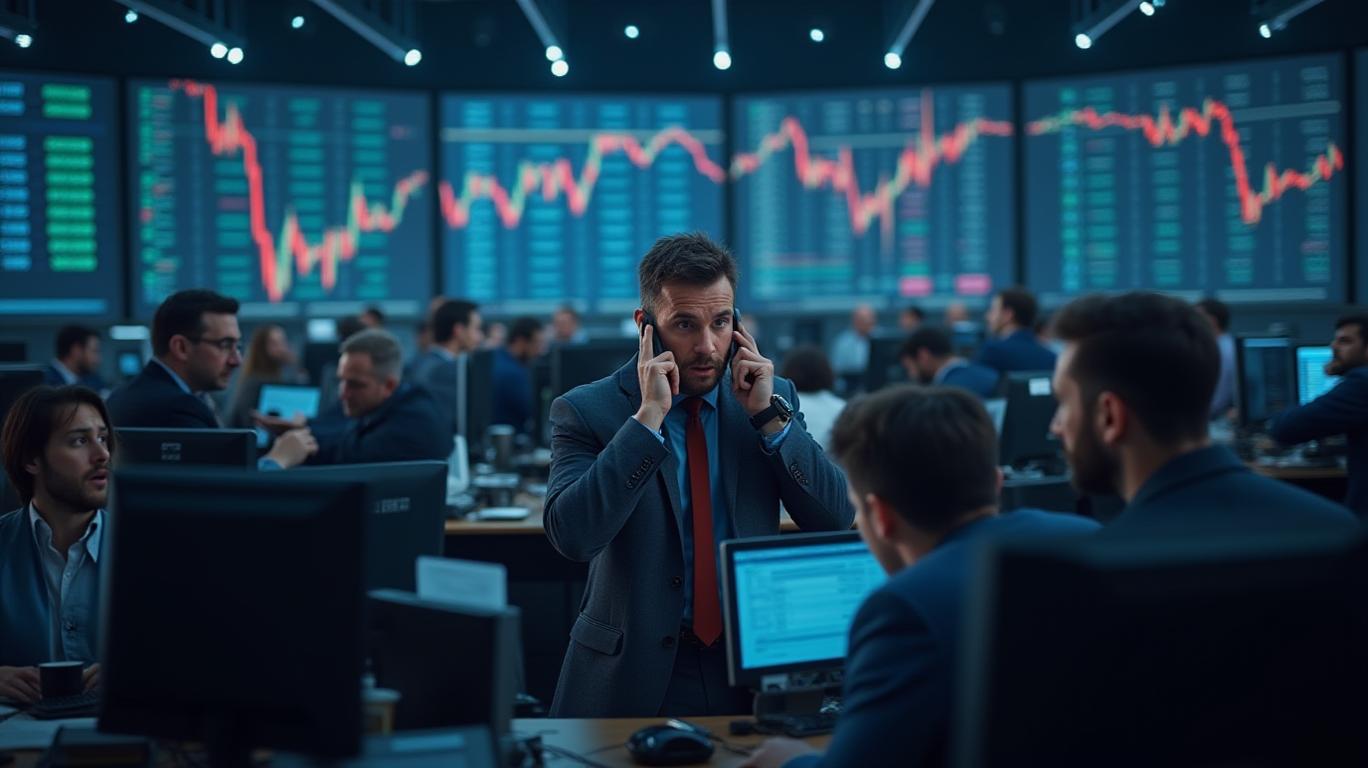
Volatility in the stock market often evokes a sense of uncertainty among investors, but it also presents opportunities for those who understand how to navigate it. This article explores the concept of market volatility, its relevance to investors, and how trading desks can leverage it to capitalize on market swings.
Core Concept Explanation:
Market volatility refers to the rate at which the price of a security increases or decreases for a given set of returns. It is often measured by the standard deviation of returns. A high volatility means large price swings in a short period, whereas low volatility indicates smaller and steadier price movements. Volatility is an essential concept for investors as it can affect both risks and rewards. Understanding volatility helps investors make informed decisions about when to buy or sell.
Application and Strategies:
Trading desks are professional teams within financial institutionsFISI-- that execute trades on behalf of clients or their firms. They use volatility as a key metric to devise strategies such as arbitrage, hedging, and speculative trading. For instance, during periods of high volatility, trading desks might employ options trading strategies like straddles or strangles, which can profit from large price movements in either direction. Another strategy is volatility arbitrage, where traders seek to profit from the difference between implied volatility (predicted future volatility) and realized volatility (actual past volatility).
Case Study Analysis:
A notable example of leveraging volatility is the period following the 2008 financial crisis. During this time, volatility was exceptionally high, and trading desks that adeptly navigated these swings reaped substantial profits. For instance, Goldman SachsGIND-- reported significant earnings from its trading operations due to strategic positioning in volatile markets. By employing sophisticated models to predict volatility spikes and adjusting their trading strategies accordingly, they managed to capitalize on the fluctuating market conditions.
Risks and Considerations:
While trading desks can benefit from volatility, it also poses risks. High volatility can lead to unexpected losses if positions are not managed carefully. It's crucial for traders to employ robust risk management strategies, such as setting stop-loss orders and diversifying portfolios to mitigate potential adverse effects. Additionally, thorough research and continuous monitoring of market conditions are vital to anticipate volatility changes and adjust strategies proactively.
Conclusion:
Understanding and navigating market volatility is crucial for investors looking to capitalize on market swings. Trading desks, equipped with expertise and advanced tools, can turn volatility into an advantage by employing strategic trading techniques. However, it is important to acknowledge the inherent risks and manage them effectively through diligent research and risk management practices. By doing so, investors can turn potential market threats into opportunities, enhancing their investment outcomes.



Divulgación editorial y transparencia de la IA: Ainvest News utiliza tecnología avanzada de Modelos de Lenguaje Largo (LLM) para sintetizar y analizar datos de mercado en tiempo real. Para garantizar los más altos estándares de integridad, cada artículo se somete a un riguroso proceso de verificación con participación humana.
Mientras la IA asiste en el procesamiento de datos y la redacción inicial, un miembro editorial profesional de Ainvest revisa, verifica y aprueba de forma independiente todo el contenido para garantizar su precisión y cumplimiento con los estándares editoriales de Ainvest Fintech Inc. Esta supervisión humana está diseñada para mitigar las alucinaciones de la IA y garantizar el contexto financiero.
Advertencia sobre inversiones: Este contenido se proporciona únicamente con fines informativos y no constituye asesoramiento profesional de inversión, legal o financiero. Los mercados conllevan riesgos inherentes. Se recomienda a los usuarios que realicen una investigación independiente o consulten a un asesor financiero certificado antes de tomar cualquier decisión. Ainvest Fintech Inc. se exime de toda responsabilidad por las acciones tomadas con base en esta información. ¿Encontró un error? Reportar un problema


SOBRE NOSOTROS
Nuestra historiaAutores de noticiasBase de conocimientosPolítica de privacidadTérmino de usoDescargo de responsabilidad de corretaje de tercerosTérminos de uso de AIMEDivulgaciones de riesgos de AInvest AICarrerasCONTÁCTENOS
Email: support@ainvest.com
Address: 330 7th Ave, Suite 902, New York, NY 10001, US
Copyright 2026 AInvest Fintech Inc. All rights reserved.


Comentarios
Aún no hay comentarios