
Navigating Volatility: Sector Rotation Strategies in a Geopolitical Storm
The U.S. equity market is caught in a tug-of-war between escalating geopolitical tensions in the Middle East and the Federal Reserve's uncertain policy path. While investors brace for turbulence, savvy traders are using sector rotation to capitalize on pullbacks in two key areas: semiconductors (leveraging AI-driven demand and Fed rate cuts) and defense contractors (bolstered by regional militarization). Let's dissect the opportunities—and the risks.
Defense Contractors: Firepower in a Powder Keg
The Middle East's escalating tensions—particularly between Israel and Iran—are fueling a rearmament boom. 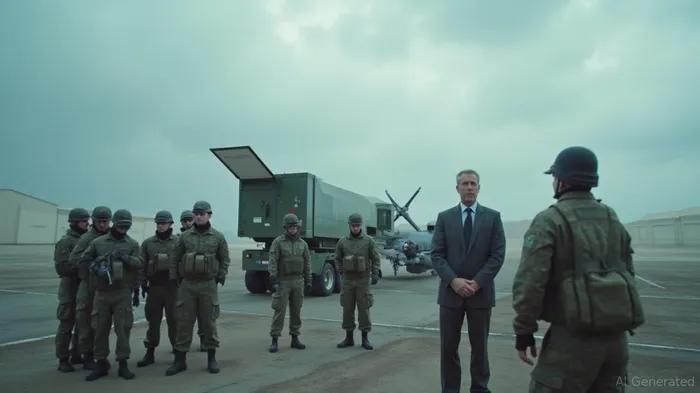 . Companies like Lockheed Martin (LMT) and Raytheon (RTX) are prime beneficiaries of this environment.
- Why Now?
Israel's June 13 strikes on Iran's nuclear infrastructure and Tehran's retaliatory drone attacks have pushed defense budgets into overdrive. The Nagel Committee's proposed $74 billion Israeli defense upgrade plan and Saudi Arabia's $78 billion defense spend in 2025 are just the start. - LMT is the go-to for F-35 fighter jets, while RTX dominates missile defense systems like Iron Dome. Both stocks surged in June, but recent dips—driven by Fed rate hike fears—are creating buying opportunities.
- The Catch:
A full closure of the Strait of Hormuz (critical for 25% of global oil) could spike energy prices, triggering a recession. Investors should pair defense exposure with gold (GLD) or short-duration bonds to hedge inflation risks.
Semiconductors: Riding the AI Wave Through Volatility
The semiconductor sector faces a paradox: AI-driven growth in high-performance computing (HPC) is offset by geopolitical headwinds and margin pressures.
TSMC (TSM): The Unstoppable (But Risky) Leader
Taiwan Semiconductor Manufacturing Company (TSMC) is the linchpin of the AI revolution. Its Q2 revenue guidance of $28.4–29.2 billion reflects 59% of sales from HPC—a 6% sequential jump. But here's the rub:
- Growth vs. Risk:
TSMC's $100 billion Arizona plant and geopolitical risks (e.g., Taiwan-China tensions) are weighing on margins. A worst-case scenario—military conflict—could collapse its stock by 60%. However, its dominance in advanced nodes (e.g., 2nm chips) ensures long-term leadership.
- Action:
Buy dips below $150 (current price ~$160) but set a stop-loss at $140. This is a buy-the-dip-and-hold play for those betting on AI's permanence.
NVIDIA (NVDA): The AI Star With Regulatory Stumbles
NVIDIA's H100 GPUs are the gold standard for AI training, but U.S. export controls and transshipment crackdowns are slowing its China revenue (13% of sales).
- The Silver Lining:
The Fed's potential rate cuts could ease borrowing costs for AI infrastructure projects. Meanwhile, NVDA's shift to AI-as-a-service and geographic diversification (India, EU) mitigate risks.
- Action:
Accumulate on dips below $180 (current ~$190) but watch Malaysia's probe into chip transshipments—a negative outcome could trigger a selloff.
Risk Management: Don't Let Geopolitics Sink Your Portfolio
While these sectors offer upside, the Middle East's volatility demands caution:
Diversify Globally:
Pair U.S. defense stocks with European contractors like Airbus (EADSF) or Thales (HO), which benefit from EU defense spending.Hedge with Gold:
A 10–15% allocation to SPDR Gold Shares (GLD) can cushion against oil price spikes or a Strait of Hormuz closure.Avoid Direct Exposure to Iran:
Sanctions and sabotage risks make Iranian-linked assets (e.g., oil stocks) a gamble.Monitor the Fed:
A July rate cut could lift semiconductors, but a hawkish pivot might prolong sector weakness.
Final Takeaway: Rotate Strategically, Stay Defensive
This is not a “buy and hold” market. Rotate into defense and semiconductors post-policy clarity, but remain agile. Defense contractors (LMT, RTX) are buys below June lows, while semiconductors (TSM, NVDA) offer long-term growth if you can stomach volatility.
The Bottom Line:
Geopolitical storms create waves—but only the prepared catch the ride.
— Stay nimble, stay informed.





Comentarios
Aún no hay comentarios