
Navigating Volatility: Geopolitical and Fed Risks Reshape Energy and Financial Stocks in 2026
The 2026 investment landscape is defined by a collision of geopolitical uncertainty, regulatory turbulence, and sector-specific dynamics. As investors grapple with the fallout from Trump-era policy shifts, a Department of Justice (DOJ) probe into the Federal Reserve, and the transformative Allegiant-Sun Country Airlines merger, the energy and financial sectors stand at a crossroads. This analysis examines how these forces are reshaping investor sentiment and evaluates whether ExxonMobilXOM--, JPMorganJPM--, and bank stocks offer compelling opportunities-or risks-in a volatile macro environment.
Geopolitical Uncertainty and Energy Sector Dynamics
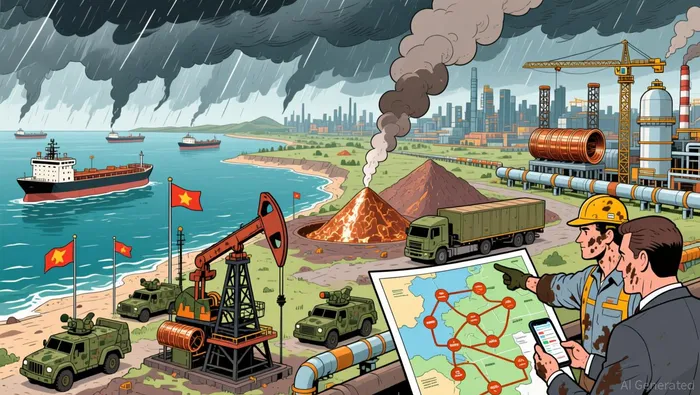
Geopolitical tensions, particularly in oil-producing regions, have amplified demand for energy assets. According to J.P. Morgan Global Research, sticky inflation and AI-driven capital expenditures are fueling a commodities "supercycle," with oil and industrial metals outperforming other asset classes. The U.S. military action in Venezuela and other regional conflicts have further stoked demand for energy, pushing copper prices near record highs and underpinning a rally in energy stocks.
ExxonMobil, a bellwether for the sector, benefits from this environment. Its exposure to oil and gas production aligns with the inflationary backdrop, where hard assets serve as hedges against currency devaluation. However, the company faces long-term risks from regulatory shifts and decarbonization pressures, which could temper its growth trajectory.
Fed Turmoil and Financial Sector Pressures
The Federal Reserve's independence is under unprecedented scrutiny. A DOJ investigation into Fed Chair Jerome Powell, initiated in early 2026, has raised concerns about political interference in monetary policy. Powell has accused the Trump administration of attempting to pressure the Fed into cutting interest rates for political gain, a claim the DOJ denies. This regulatory uncertainty has weighed on financial sector stocks, with banks like JPMorgan facing downward pressure amid fears of politicized oversight.
Yet JPMorgan's Q4 2025 earnings suggest resilience. The bank's trading income and fee-based services have offset declining net interest margins, driven by a flatter yield curve. JPMorgan's strategic pivot toward AI and data infrastructure- highlighted in its 2026 outlook-positions it to capitalize on the AI-driven economic cycle, even as regulatory headwinds persist.
Allegiant's $1.5B Deal and Sector Synergies
 The $1.5 billion acquisition of Sun Country Airlines by Allegiant Air is a case study in sectoral interdependence. By expanding its fleet to 195 aircraft and serving 22 million annual passengers, the merged entity is expected to generate $140 million in annual synergies by 2029. This expansion could indirectly boost energy demand through increased air travel and related supply chain activity, particularly in industrial metals used for aircraft manufacturing.
For investors, the deal underscores the interconnectedness of energy and financial markets. While the transaction itself is airline-focused, its ripple effects on commodity demand and capital allocation could influence broader market dynamics in 2026.
Strategic Positioning: Opportunities and Risks
ExxonMobil: The energy giant's exposure to oil and gas positions it to benefit from the current inflationary and geopolitical climate. However, its long-term viability depends on navigating regulatory shifts and balancing shareholder returns with sustainability commitments.
JPMorgan: The bank's earnings resilience and AI-driven strategy offer a counterweight to regulatory risks. Its capital markets business, bolstered by fee income and dealmaking activity, provides a buffer against rate cuts and yield curve compression.
Bank Stocks: The sector remains polarized. While JPMorgan and peers like Goldman Sachs show adaptability, smaller banks face greater vulnerability to rate volatility and regulatory scrutiny. The DOJ's investigation into the Fed adds a layer of uncertainty, potentially deterring risk-on positioning in the near term.
Conclusion: Balancing the Risks
The 2026 market environment demands a nuanced approach. Energy stocks, supported by inflation and geopolitical tensions, offer defensive appeal, while financials like JPMorgan present growth opportunities amid AI-driven transformation. However, investors must remain cautious: the DOJ's probe into the Fed and Trump's policy agenda could introduce abrupt volatility. Diversification and a focus on industrializing AI and supply chain resilience will be critical for navigating this complex landscape.





Comentarios
Aún no hay comentarios