
Navigating Volatility in 2026: Rate Cuts, AI Optimism, and Geopolitical Risks
As 2026 unfolds, investors face a complex interplay of monetary policy shifts, technological disruption, and geopolitical turbulence. The Federal Reserve's projected rate cuts, coupled with divergent sector performances between AI-driven tech stocks and energy, present both opportunities and risks. Strategic sector rotation and robust risk mitigation frameworks will be critical for navigating this landscape.
Fed Policy Uncertainty and Sector Sensitivity
The Federal Reserve's December 2025 statement confirmed a 25-basis-point rate cut, bringing the federal funds rate to 3.50%–3.75%. Projections indicate further easing in 2026, with the median expectation of one additional cut, potentially lowering the rate to 3% by year-end. This accommodative stance is expected to buoy risk assets, particularly sectors with high sensitivity to interest rates. However, the Fed's acknowledgment of "elevated inflation" and a "shifting labor market" underscores lingering macroeconomic fragility.
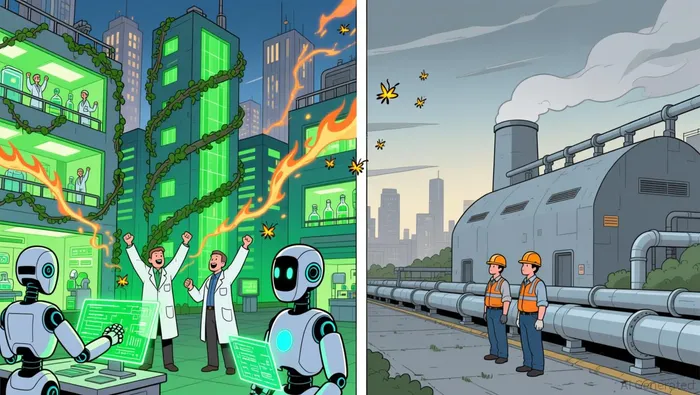
The energy sector, historically sensitive to interest rate cycles, may benefit from lower borrowing costs but remains vulnerable to geopolitical shocks. In contrast, AI-driven tech stocks-while supported by rate cuts-face unique risks tied to speculative overvaluation. Deutsche Bank's survey highlights that 57% of investors view an AI bubble burst as a top 2026 risk , a concern amplified by the sector's dominance in the S&P 500's 18% annual gain in 2025 .
Sector Divergence: AI Tech vs. Energy
The performance gap between AI tech and energy sectors in 2025 offers a blueprint for 2026 positioning. During Q1 2025, the S&P 500's two-day $5 trillion loss-triggered by Trump-era tariff hikes and geopolitical tensions-exposed sectoral vulnerabilities. While energy stocks faltered amid conflicts like the Israel-Iran standoff, AI tech stocks demonstrated resilience, albeit with volatility. The "DeepSeek Shock" in January 2025-a dip in NvidiaNVDA-- shares following a Chinese AI model's emergence-forced a "cleansing" of speculative AI startups but ultimately redirected capital toward established players .
By year-end 2025, the S&P 500's recovery hinged on AI infrastructure investments, with hyperscalers like Alphabet and Microsoft . Energy, meanwhile, struggled with weak capital investments and industrial production growth below historical averages . This divergence reflects broader macroeconomic trends: AI's role as a growth engine versus energy's exposure to geopolitical and regulatory headwinds.
Geopolitical Risks and Capital Flows
Geopolitical tensions in 2025-ranging from the Israel-Hamas conflict to the Russia-Ukraine war-exacerbated market volatility and shifted capital flows. The U.S. dollar's 10% decline in the first half of 2025, the worst start in 50 years, amplified pressure on energy prices while boosting gold and other safe-haven assets. For 2026, risks persist: U.S.-China competition over AI infrastructure and regional conflicts in the Middle East could disrupt both tech and energy markets .
The AI-energy nexus further complicates risk profiles. While AI's energy consumption (for data centers and mining) creates a symbiotic relationship with energy demand, it also introduces environmental and resource constraints . Investors must weigh these interdependencies when allocating capital.
Strategic Positioning for 2026
A tactical approach to 2026 requires balancing AI optimism with risk mitigation. Key strategies include:
1. Overweight AI Infrastructure: Prioritize companies with tangible AI applications (e.g., cloud providers, semiconductor firms) over speculative startups. , making infrastructure a safer bet.
2. Underweight Energy Exposure: While rate cuts may temporarily support energy stocks, geopolitical risks and shifting capital flows toward tech suggest caution. Energy transition plays (e.g., renewables) could offer a middle ground.
3. Hedge Against AI Valuation Volatility: Diversify portfolios with defensive sectors (e.g., utilities, consumer staples) and use derivatives to hedge against a potential AI bubble burst.
4. Leverage Geopolitical Risk Models: Tools like the DCC-MIDAS(-X) framework can help quantify correlations between AI and energy markets, enabling dynamic adjustments to sector allocations .
Conclusion
2026 will test investors' ability to navigate divergent macroeconomic forces. The Fed's rate cuts and AI-driven growth present tailwinds, but these must be balanced against geopolitical risks and sector-specific vulnerabilities. By adopting a disciplined, data-driven approach to sector rotation and risk management, investors can position portfolios to thrive in an era of volatility.







Comentarios
Aún no hay comentarios