
Navigating Uncertainty: How Labor Market Fears and Delivery Anxiety Reshape U.S. Retail Investment Opportunities
Labor Market Uncertainty and the Erosion of Consumer Confidence
The labor market, once a cornerstone of U.S. economic resilience, has become a source of anxiety. While national unemployment rates remain relatively stable, job insecurity-driven by , sector-specific layoffs, and the 's volatility-has dampened consumer confidence. A Federal Reserve report highlights rising , noting that households are pulling back on spending as they brace for potential income disruptions. This hesitancy is particularly pronounced in the discretionary sector, where non-essential purchases (e.g., travel, dining, and ) are the first to be trimmed.
Delivery Anxiety and the Retail Reckoning
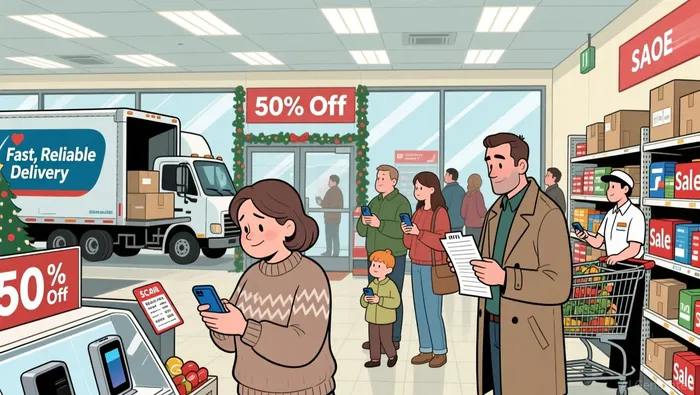
Compounding these labor market fears is a crisis of trust in delivery logistics. The 2024 holiday season saw record delays and , eroding in timely and reliable service. A Morning Squawk analysis by CNBC notes that retailers like Kohl'sKSS-- and Dick's Sporting GoodsDKS-- have seen stock volatility tied to their ability to adapt to these challenges. For instance, Kohl's shares surged 22% after an earnings beat, while Dick'sDKS-- fell 3% following store closures aimed at improving profitability-a stark illustration of how delivery performance now directly impacts financial outcomes.
Strategic Resilience: The Rise of Logistics-First Retailers
Amid these headwinds, companies that prioritize logistics resilience and customer reassurance are emerging as standout performers. 1Concier, for example, has restructured its operations to enhance inventory readiness and supply chain efficiency, with a new Vice President of Procurement and Logistics leading initiatives. Similarly, DHL Supply Chain has partnered with HappyRobot to that streamline communication, reduce manual effort, and improve . These innovations not only mitigate delivery anxiety but also position firms to capitalize on shifting consumer expectations.
Financial metrics further validate this trend. Post Holdings, a leader in foodservice and consumer goods, , driven by disciplined cost control and strategic acquisitions. The company's focus on high-margin products and free cash flow generation exemplifies how logistics resilience can sustain profit margins even in turbulent markets.
BNPL and Post-Purchase Trust: A New Frontier
Buy Now Pay Later (BNPL) services are also reshaping the retail landscape, offering a dual solution to cash flow constraints and post-purchase distrust. In 2024, U.S. , . These services not only boost average order values , making them a critical tool for retailers navigating economic uncertainty.
However, is not without risks. A 2025 study reveals , . This highlights the need for responsible lending practices and transparent terms-a challenge that forward-thinking retailers are addressing through partnerships with fintech firms like PayPal and Klarna.
Investment Implications: Where to Allocate Capital
For investors, the key lies in identifying companies that combine logistics resilience with customer-centric innovations. 1Concier's strategic reorganization, DHL's , and Post Holdings' disciplined capital allocation all exemplify this dual focus. Additionally, firms integrating BNPL services-such as those leveraging PayPal's market-leading platform-offer exposure to the growing demand for .
Conversely, laggards in logistics and customer trust are underperforming. Dick's Sporting Goods' store closures and stock decline underscore the risks of failing to adapt to delivery expectations, while retailers without BNPL integration face higher cart abandonment rates and lower conversion metrics.
Conclusion
The U.S. retail sector is at a crossroads, with labor market fears and delivery anxiety driving a fundamental reevaluation of consumer behavior. While these challenges threaten traditional spending patterns, they also create opportunities for agile firms that prioritize logistics resilience, customer reassurance, and financial innovation. For investors, the path forward lies in supporting brands that not only navigate current uncertainties but also redefine trust in an era of economic volatility.







Comentarios
Aún no hay comentarios