
Navigating the Trump Tariff Surge and Weak Jobs Data: Strategic Sectors to Hedge and Outperform in a Protectionist Global Economy
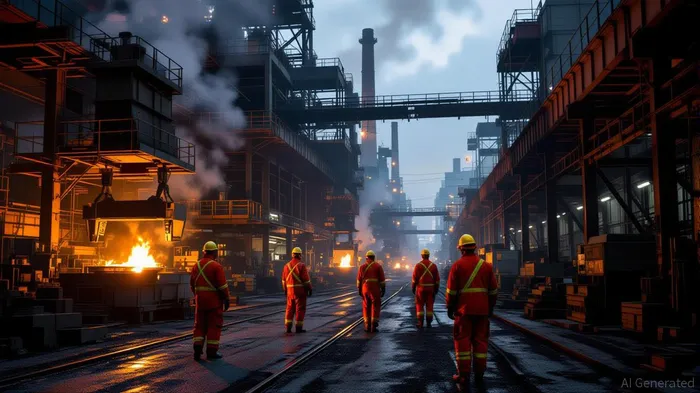
The U.S. economic landscape in 2025 is defined by two seismic forces: a sweeping tariff regime and a labor market showing early signs of strain. President Trump's aggressive import duties—spiking to 21.1% on average—have reshaped trade flows, while July's weak jobs report (73,000 nonfarm payrolls, 4.2% unemployment) underscores growing macroeconomic fragility. For investors, the challenge lies in identifying sectors that can weather these headwinds and even thrive amid volatility.
The Tariff-Driven Shift: Winners and Losers
The Trump tariffs have created a stark dichotomy. While steel, aluminum, and pharmaceuticals face margin compression, domestic producers of these goods—such as NucorNUE-- (NUE) and Steel DynamicsSTLD-- (STLD)—are reaping rewards. The VanEck Steel ETF (SLX) has surged 20% year-to-date, reflecting a 15% increase in U.S. steel prices since the 50% import tariff was enacted. Meanwhile, automakers and consumer electronics firms grapple with 25% tariffs on imports, squeezing margins and forcing costly nearshoring.
Defensive Sectors: The Unshakable Pillars
In a climate of uncertainty, defensive equities offer stability. Healthcare and utilities stand out:
- Pharmaceuticals: Companies like Johnson & Johnson (JNJ) and PfizerPFE-- (PFE) leverage domestic manufacturing to offset 200% tariff threats on imports. Their pricing power remains intact, with JNJ's stock up 12% YTD despite sector-wide headwinds.
- Utilities: NextEra EnergyNEE-- (NEE) and Dominion EnergyD-- (D) benefit from regulated cash flows and low exposure to trade policy. NEE's 2025 dividend yield of 2.8% provides a buffer against market swings.
- Consumer Staples: Coca-ColaKO-- (KO) and PepsiCoPEP-- (PEP) maintain pricing resilience, with Pepsi's shift to plant-based snacks and sustainable packaging aligning with reshoring trends.
Reshoring and Under-the-Radar Gains
The push to “Bring Back American Industry” is fueling opportunities in overlooked sectors:
- Steel and Aluminum Producers: Nucor and Steel Dynamics have expanded capacity to meet domestic demand, with NUE's operating margin climbing to 18% in Q2 2025.
- Agriculture Inputs: While small farms struggle with export restrictions, agribusiness giants like CortevaCTVA-- (CTVA) and Potash Corp (POT) benefit from federal subsidies and reduced international competition.
- Cybersecurity: Trade tensions have accelerated digital infrastructure spending. CrowdStrikeCRWD-- (CRWD) and Palo Alto NetworksPANW-- (PANW) reported 30% revenue growth in Q2 2025, driven by corporate and government demand.
Macro Volatility and the Labor Market
July's jobs report—a 73,000 gain versus expectations of 105,000—has intensified fears of a slowdown. The downward revisions to May and June data (258,000 fewer jobs) signal deeper structural challenges. Tariff-driven inflation (CPI at 2.7% in June) and retaliatory measures from China and the EU are compounding the pressure.
Investors should prioritize duration-shortening strategies and geopolitical hedges. Gold (SPDR Gold Shares, GLD) has surged to $3,300/oz, while energy ETFs (e.g., XLE) remain volatile. The Fed's anticipated September rate cut (83% probability) may offer temporary relief but will likely fail to offset long-term tariff impacts.
Strategic Recommendations
- Defensive Tilting: Overweight healthcare, utilities, and consumer staples.
- Reshoring Plays: Position in steel, agribusiness, and cybersecurity.
- Macro Hedges: Allocate to gold, short-term Treasuries, and diversified energyDEC-- ETFs.
- Avoid Vulnerable Sectors: Automakers, electronics manufacturers, and import-heavy retailers face margin erosion.
The 2025 tariff surge and weak labor data signal a shift toward economic nationalism. While the immediate outlook is fraught, investors who embrace resilience and adaptability—channeling capital into sectors insulated from trade policy shocks—stand to outperform in the long run. As the global economy recalibrates, the winners will be those who build, protect, and innovate from within.





Comentarios
Aún no hay comentarios