
Navigating Trade Tensions: Strategic Opportunities in Malaysia's Semiconductor Sector
The evolving trade relationship between Malaysia and the U.S., particularly围绕半导体关税政策, has created both challenges and asymmetric investment opportunities in Southeast Asia's tech supply chains. While the U.S. imposed a 25% tariff on Malaysian imports effective August 1, 2025, exemptions for semiconductors and strategic negotiations have carved out a pathway for investors to capitalize on Malaysia's role as a global semiconductor hub.
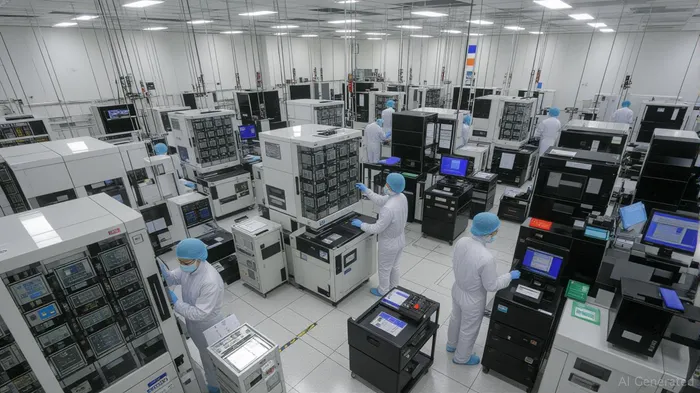
Trade Dynamics: Tariffs, Exemptions, and Strategic Alliances
The U.S. tariffs, initially framed as a response to trade imbalances, have been tempered by exemptions for Malaysia's semiconductor sector—a critical node in global supply chains. This sector accounts for 13% of global semiconductor output, with Malaysia exporting $3.89 billion in chipsets to the U.S. in 2024, representing 10.5% of its total semiconductor exports. The U.S. relies on Malaysia for advanced packaging and testing services, particularly for AI chips used by firms like NVIDIANVDA-- and AMDAMD--.
The negotiated tariff framework—capping rates at 10-24% while exempting semiconductors—avoids the worst-case scenario of a 25% levy. This decision reflects the U.S.'s dual goals of addressing trade deficits and preserving supply chain resilience. For Malaysia, the exemptions underscore its strategic value as a manufacturing partner, especially as global chip demand surges amid AI adoption.
The Semiconductor Sector: A Catalyst for Growth
Malaysia's semiconductor industry is not merely surviving the trade tensions—it is thriving. Key players such as Unisem Berhad (KLSE:7107), the world's third-largest semiconductor tester and assembler, have RM3.2 billion in order backlog from U.S. clients. The company's valuation, trading at 12x forward earnings (a 30% discount to its five-year average), reflects undervaluation amid tariff uncertainty. A resolution by August 1 could unlock a 40% upside as multiples normalize.
Meanwhile, UUE Holdings (KLSE:7090), a provider of data center infrastructure for U.S. tech giants like GoogleGOOGL-- and MicrosoftMSFT--, has a RM217 million order book tied to U.S. projects. Its valuation—half that of regional peers—presents a 25% upside potential as supply chain clarity emerges.
Investment Opportunities: Beyond the Tariff Overhang
The semiconductor sector's exemptions highlight Malaysia's enduring role in global tech supply chains. Investors should prioritize three strategic plays:
- Semiconductor Infrastructure:
- Unisem Berhad: Benefit from its advanced testing capabilities and U.S. demand for AI chips.
SilTerra Malaysia: A pure-play foundry with ties to U.S. clients, though less liquid than Unisem.
EV and Tech Infrastructure:
- MSB Global Group (KLSE:0350): Undervalued at 8x earnings, it is expanding its EV charging network and auto components supply to the U.S. A tariff deal could erase a 10% cost drag from U.S. import taxes.
UUE Holdings: Capitalize on data center demand from U.S. firms, particularly Google's upcoming RM3 billion data center in Penang.
Sector ETFs for Diversification:
- iShares MSCI Malaysia ETF (EWM): Tracks Malaysia's broader market, including tech and semiconductor exposure.
- SPDR S&P ASEAN 40 ETF (GAIN): Offers diversified exposure to Southeast Asia's tech hubs, including Malaysia.
Risks and Considerations
- Geopolitical Volatility: U.S.-China tensions could disrupt supply chains, pressuring Malaysia to align with one side.
- Compliance Costs: New U.S. export rules for AI chips may raise operational expenses for Malaysian firms.
- Currency Risks: The Malaysian ringgit's 5% YTD decline in 2025 could offset earnings gains unless tariffs stabilize investor sentiment.
Conclusion: A Strategic Pivot Moment
Malaysia's semiconductor sector is a linchpin of U.S.-Asia trade relations, offering investors a rare combination of undervaluation and structural growth. The August 1 tariff deadline is a critical catalyst: a resolution could unlock valuation rebounds for firms like Unisem and UUE, while broader ETFs provide diversified exposure to Southeast Asia's tech boom. For contrarians, now is the time to position in this resilient supply chain, as geopolitical noise fades and fundamentals take center stage.
Invest with caution, but invest.





Comentarios
Aún no hay comentarios