
Navigating the Tariff Storm: Implications for Investors in Trump's Trade Policy Shifts
The Trump administration’s aggressive trade policies, now entering their second year, have reshaped global commerce with sweeping tariffs and reciprocal measures. As the president signals further evaluations of existing trade deals, investors must prepare for heightened volatility in sectors tied to international trade. This analysis explores the current landscape of Trump’s “America First” trade strategy, its economic consequences, and opportunities for strategic investment amid the turmoil.
The Tariff Tsunami: Sectoral Impacts
The administration’s tariff regime—characterized by 10% baseline rates, escalating to 125% for China—has triggered cascading effects across industries. AgricultureANSC--, a cornerstone of U.S. trade, has been devastated:
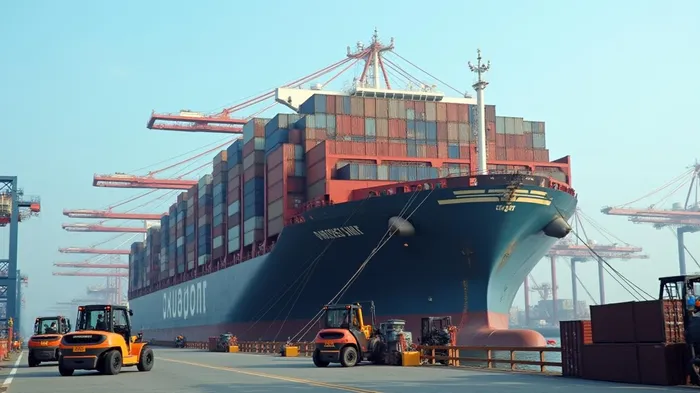
Exports Collapse: Ports like Oregon (-51%) and Tacoma (-28%) report catastrophic declines, with agricultural exports to China plummeting. Soybean shipments to Beijing, once a $12 billion annual trade, now face retaliatory tariffs of 30% or higher.
Manufacturing and Logistics: Companies like Matson, a major freight operator, have seen container volumes drop 30% year-over-year.
The stock’s decline mirrors broader industry stress, as tariffs force businesses to reconfigure supply chains.
Retail and Supply Chains: Retailers face “lean inventories,” with only 1–2 months of sales in stock. The Penn Wharton Budget Model (PWBM) warns that tariffs could reduce GDP by 6% long-term, exacerbating risks for consumer-facing sectors.
Geopolitical Crosscurrents
Trump’s policies have also intensified geopolitical friction:
- China: Retaliatory tariffs of 125% on U.S. goods have curbed exports of logs, agricultural products, and energy resources.
- EU and Canada: Auto tariffs (25%) and digital services tax disputes threaten $29.8 billion in bilateral trade.
- BRICS Nations: A 100% tariff threat looms over Brazil, Russia, India, and South Africa, complicating investment in emerging markets.
Data-Driven Risks and Opportunities
Investors must dissect the tariff regime’s winners and losers:
High-Risk Sectors:
- Export-Dependent Industries:
- Agriculture (soybeans, corn):
Manufacturing: Companies reliant on Chinese imports (e.g., semiconductors, automotive parts).
Ports and Logistics:
- Declining cargo volumes at key ports (Los Angeles, Savannah) may pressure infrastructure stocks.
Strategic Plays:
- Supply Chain Diversification:
Invest in firms pivoting to “China Plus One” strategies, such as semiconductor manufacturers expanding to Vietnam or Taiwan.
Domestic Winners:
- Energy: U.S. crude and natural gas exporters may benefit as tariffs shield domestic markets.
Renewable Energy: Solar and wind firms could gain as tariffs spur demand for local clean energy infrastructure.
Tariff-Proof Sectors:
- Healthcare: Pharmaceutical companies with diversified supply chains (e.g., Pfizer, Merck) face fewer trade barriers.
- Technology: U.S. cloud providers (AWS, Microsoft) are less exposed to physical trade disruptions.
The Bottom Line: Caution and Calculated Risks
President Trump’s trade policies have created a high-stakes environment for investors. While tariffs aim to “protect” U.S. industries, the data paints a grim picture:
- Economic Costs: The PWBM estimates a 6% GDP contraction over the long term, with households losing $22,000 in lifetime income on average.
- Market Volatility: The S&P 500 has fluctuated sharply since tariff announcements, reflecting investor anxiety.
Actionable Advice:
- Avoid: Overexposure to export-reliant sectors without tariff exemptions.
- Embrace: Companies with flexible supply chains and domestic growth opportunities.
In conclusion, Trump’s trade evaluations will further test investor resilience. While short-term gains may emerge in select sectors, the long-term economic toll underscores the need for caution. As tariffs reshape global trade, the winners will be those who adapt swiftly to the “America First” reality.
Data sources: Penn Wharton Budget Model, Port Authority reports, U.S. Trade Representative (USTR), and stock market indices.







Comentarios
Aún no hay comentarios