
Navigating the Tariff Maze: Why Supply Chain Inertia Keeps SMEs Stuck in China—and How Investors Can Profit
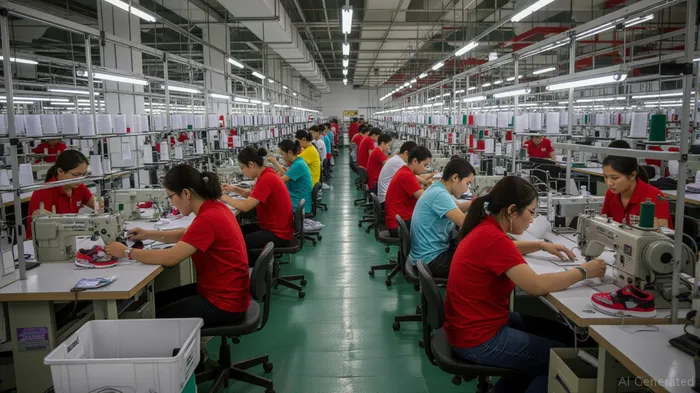
The U.S.-China trade war has entered its eighth year, and the tariff landscape is now a labyrinth of overlapping duties, exemptions, and temporary truces. For small and medium enterprises (SMEs) reliant on China's manufacturing ecosystem, this complexity has created persistent margin pressures—even as tariff rates fluctuate. The footwear industry, for example, faces a 27.5% combined tariff burden (7.5% under Section 301 List 4A plus a 20% fentanyl-related surcharge), yet production remains stubbornly anchored in China. This inertia reflects the high cost of reconfiguring supply chains, even as tariffs soar. For investors, the challenge is twofold: avoiding SMEs vulnerable to margin erosion and identifying firms that have either diversified their supply chains or operate in “tariff-resistant” sectors.
The Tariff Burden: Stacked Duties and Sector-Specific Suffering
The U.S. tariff regime on Chinese goods is now layered with Section 232 (steel/aluminum), Section 301 (retaliatory tariffs), and fentanyl-related duties, creating sector-specific pain points. Take footwear: while its base tariff is 7.5%, the fentanyl levy adds 20%, pushing the total to 27.5%. For SMEs with narrow margins—often under 10%—this erodes profitability unless they can pass costs to consumers or restructure supply chains.
The automotive sector faces even harsher conditions. Electric vehicles (EVs) now bear a 100% tariff under Section 301, while traditional cars face a 25% Section 232 duty. Even with temporary truces like the recent reduction of “Liberation Day” tariffs to 10% (from 34%), the combined rate for many goods remains punitive. The average U.S. tariff on Chinese imports now stands at 51.1%, with critical sectors like semiconductors and solar cells facing rates exceeding 50%.
Why SMEs Stay in China: The Gravity of Supply Chain Inertia
Despite these costs, SMEs remain trapped in China's manufacturing ecosystem. The reasons are structural:
1. Ecosystem Density: China's concentration of materials suppliers, logistics networks, and labor pools creates a “lock-in” effect. For footwear, components like synthetic rubber and polyester fibers are cheaper and more accessible in China than in alternative countries like Vietnam or Mexico.
2. Fixed Costs of Diversification: Reconfiguring supply chains requires upfront investment in factories, training, and compliance. For SMEs with limited capital, this is a non-starter.
3. Demand Volatility: Firms in sectors like apparel or consumer electronics face rapid shifts in consumer preferences, making just-in-time production essential—a capability China's factories excel at.
The result is a paradox: tariffs are high, but switching suppliers is riskier for many SMEs than absorbing margin compression.
Investment Implications: Diversification and High-Margin Resilience
Investors should prioritize firms that have already navigated this maze or operate in sectors shielded from tariffs.
1. Firms with Diversified Supply Chains
Companies like NikeNKE-- and Adidas have invested in Vietnam and Indonesia to reduce China exposure. Their stock performance reflects this strategy:
While Nike's stock has grown steadily, companies overly reliant on China (e.g., those in the “footwear” sector without diversification) have lagged.
2. Tariff-Resistant Sectors
Focus on industries where tariffs are low or exempt, or where pricing power allows cost absorption:
- Luxury Goods: High margins (often over 50%) mean brands like LVMH or Ralph LaurenRL-- can pass tariffs to consumers without sacrificing demand.
- Medical Supplies: Exempt from most reciprocal tariffs, this sector benefits from rising healthcare spending and geopolitical stability.
- Critical Minerals: Lithium-ion batteries and rare earth elements face 25% tariffs but are exempt from “Liberation Day” duties. Firms like AlbemarleALB-- or SQMSQM--, with diversified mining operations, thrive here.
3. Short-Term Risks: The August Tariff Cliff
The temporary reduction of “Liberation Day” tariffs to 10% expires in mid-August . If no extension is agreed, rates could jump to 34%, hitting sectors like machinery and plastics. Investors should avoid companies with large China-exposed inventories or those in industries without pricing power.
Conclusion: Playing Defense and Offense in a Trade War
The U.S.-China trade landscape is a minefield for SMEs lacking scale or flexibility. Investors should avoid firms stuck in high-tariff sectors with no exit strategy. Instead, bet on companies that have already diversified or operate in sectors where tariffs are either low or easily absorbed. The key takeaway: supply chain resilience and margin strength will define winners in this era of trade uncertainty.
For now, the mantra remains: diversify or perish.





Comentarios
Aún no hay comentarios