
Navigating Systemic Risks and ESG Imperatives in Telecommunications Infrastructure Resilience
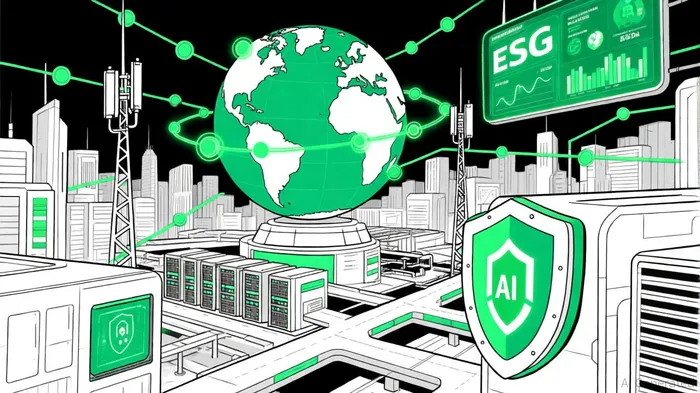
The telecommunications sector stands at a pivotal crossroads in 2025, grappling with systemic risks that threaten its operational continuity and long-term value. From cybersecurity vulnerabilities to AI-driven disruptions and regulatory shifts, the industry's infrastructure resilience is under unprecedented scrutiny. For investors, understanding these risks and aligning with ESG (Environmental, Social, and Governance) strategies is no longer optional—it is a necessity for safeguarding returns and fostering sustainable growth.
Systemic Risks: A Multifaceted Challenge
Cybersecurity remains the most pressing concern, with 57% of telecom operators expressing alarm over attacks targeting physical assets like subsea cables and 5G networks [1]. The rise of AI exacerbates this threat, enabling hyper-targeted attacks while also creating operational risks such as algorithmic bias and system failures [2]. Compounding these issues, network reliability struggles persist despite infrastructure upgrades, with EY reporting persistent gaps in fixed broadband and mobile data performance [3].
Regulatory complexity adds another layer of risk. As governments impose stricter AI governance, digital market rules, and spectrum management policies, telcos face the dual challenge of compliance and innovation [4]. Meanwhile, sustainability demands are reshaping the sector's priorities. With telecom networks accounting for 1–2% of global carbon emissions [5], operators must decarbonize legacy infrastructure and adopt renewable energy solutions to meet investor and regulatory expectations.
Investor Preparedness: Strategic Resilience in Action
To mitigate these risks, investors must prioritize strategies that integrate ESG metrics with operational resilience. One key approach is decarbonization through renewable energy adoption. Over 60% of mobile network operators have committed to net-zero targets by 2050, with companies like Telefónica Brasil investing in 237 MWp solar parks and TELUSTU-- leveraging AI-powered energy optimization to reduce emissions [6]. Green infrastructure, including solar-powered towers and energy-efficient data centers, is becoming a cornerstone of resilience [7].
AI itself offers a paradoxical solution. While it amplifies cyber threats, it also enables predictive maintenance and real-time energy management, reducing network energy consumption by up to 15% [8]. Investors should favor operators that balance AI adoption with robust cybersecurity frameworks, such as those deploying AI-driven threat detection systems.
Transparency in ESG reporting is equally critical. Frameworks like GRI and SASB are now standard for disclosing Scope 1–3 emissions, with 51% of telecom companies currently publishing renewable energy transition plans [9]. Green bonds and sustainability-linked loans are gaining traction, offering favorable financing terms for operators committed to measurable ESG goals [10]. For example, Swisscom's 80% reduction in direct emissions since 1990 underscores the financial viability of long-term sustainability commitments [11].
Governance and Social Metrics: Closing the Gap
While environmental progress is notable, social and governance metrics lag. Only 30% of telecom companies report strong gender diversity in leadership, despite top performers like Telekom Slovenia achieving over 50% female board representation [12]. Investors must pressure underperformers to address workforce turnover and digital inclusion gaps through initiatives like upskilling programs and community broadband projects [13].
The Path Forward: Balancing Risk and Opportunity
The telecom sector's valuation potential hinges on its ability to align with economic and national security priorities. By 2025, operators that invest in AI-driven automation, network-as-a-service models, and circular economy practices are projected to outperform peers [14]. For instance, Oliver Wyman highlights that telcos leveraging B2B opportunities and AI for operational efficiency could see valuations rise by 20–30% [15].
However, success requires overcoming internal challenges. Poor collaboration, siloed decision-making, and execution gaps remain barriers to innovation. Investors should prioritize companies with agile governance structures and clear ownership of ESG initiatives [16].
Conclusion
Telecom infrastructure resilience in 2025 is a complex interplay of technological, regulatory, and environmental factors. For investors, the path to resilience lies in proactive ESG integration, strategic AI deployment, and transparent governance. As the sector navigates these challenges, those who align with sustainability and innovation will not only mitigate risks but also unlock new value in an increasingly connected world.





Comentarios
Aún no hay comentarios