
Navigating the Storm: Re-Evaluating Risk in AI-Driven Tech Portfolios Amid Volatile Markets
The Algorithmic Web: Interconnectedness and Systemic Risk
AI-driven markets are characterized by heightened interconnectedness, where shocks in one sector-such as AI, fintech, or the metaverse-can rapidly cascade into traditional asset classes like stocks, bonds, and commodities. A 2025 study published in ScienceDirect highlights that during periods of global uncertainty, such as the Russia-Ukraine conflict or the 2020 pandemic, correlations between AI-related assets and conventional markets have surged. This interconnectedness is exacerbated by the "black box" nature of many AI models, which obscure the logic behind trading decisions and complicate risk assessment.
For example, companies like Strategy (MSTR), which rely heavily on passive BitcoinBTC-- exposure, have faced severe losses during crypto price declines due to a lack of hedging strategies. This underscores a critical vulnerability: when algorithmic systems and market psychology align in volatile conditions, even well-capitalized firms can suffer disproportionately.
Brittle Market Psychology: FOMO, Illusion of Control, and Feedback Loops
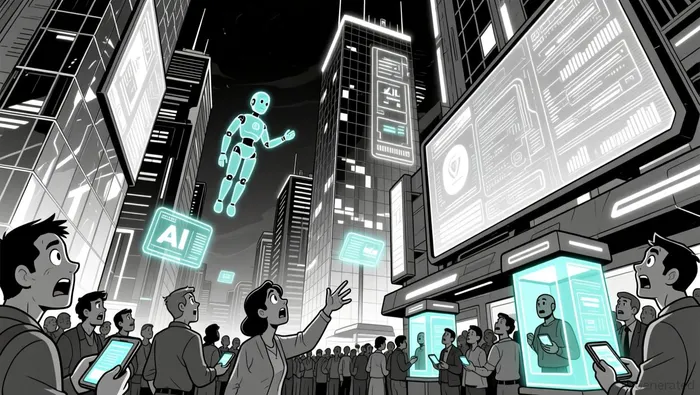 Cryptocurrency markets, in particular, exemplify how algorithmic behavior interacts with investor psychology to amplify risk. Behavioral finance research reveals that psychological biases such as the fear of missing out (FOMO) and the illusion of control drive impulsive trading decisions. These biases are magnified by high-frequency trading (HFT) algorithms, which execute trades at lightning speed based on sentiment-driven data. A 2023 study on cryptocurrency markets found that investor sentiment indices-rather than traditional volatility metrics-better predict price anomalies.
This creates a self-reinforcing feedback loop: algorithms react to human-driven sentiment, which in turn is shaped by algorithmic market movements. The result is a fragile equilibrium where even minor shifts in psychology can trigger cascading sell-offs or speculative frenzies.
Crypto-Linked Algorithmic Behavior: A Double-Edged Sword
The integration of AI and algorithmic trading in crypto markets has further complicated risk dynamics. While these systems optimize trading strategies, they also contribute to systemic instability. For instance, during the 2024 crypto winter, automated liquidation mechanisms and stop-loss orders triggered mass sell-offs, exacerbating price declines. This phenomenon is not limited to crypto: algorithmic interdependencies in tech-heavy portfolios mean that volatility in one asset class can spill over into others, creating a domino effect.
Hedging Strategies: Balancing Innovation and Resilience
Investors are increasingly adopting multi-layered strategies to mitigate these risks. According to a 2025 analysis by FXStreet, sector rotation into stable industries like healthcare and energy, combined with alternative assets such as precious metals, provides a buffer against AI-driven volatility. Portfolio-level adjustments-such as equal-weight indices, quality tilts, and low-volatility factors-also reduce overreliance on mega-cap tech stocks.
Options-based strategies, including protective puts and covered calls, are gaining traction as tools to hedge against large market drops while generating income during mild corrections. According to the same analysis, however, these approaches require careful calibration, as over-hedging can erode returns in a rising market.
Conclusion: A Call for Pragmatic Adaptation
The convergence of AI-driven markets, brittle psychology, and crypto-linked algorithmic behavior demands a rethinking of risk management. Investors must move beyond traditional models and embrace strategies that account for both technological and behavioral dynamics. As the energy management systems market grows from $56 billion in 2025 to $219.3 billion by 2034, and AI software firms like C3.ai navigate financial turbulence, the lesson is clear: resilience in tech-heavy portfolios hinges on balancing innovation with prudence.
In this new era, the ability to navigate volatility will depend not just on the sophistication of algorithms, but on the wisdom to recognize their limitations-and the courage to act when the market's psychology turns fragile.







Comentarios
Aún no hay comentarios