
Navigating the Storm: China's Regulatory Risks and the E-Commerce Giants' Resilience
The Chinese e-commerce sector is no stranger to turbulence. In 2025, regulatory shifts and geopolitical tensions have created a perfect storm for companies like PDD HoldingsPDD--, Temu's parent company. From crackdowns on refund policies to scrutiny over data privacy and forced labor allegations, the challenges are as multifaceted as they are formidable. Yet, amid the chaos, there are glimmers of opportunity-and plenty of red flags-for investors. Let's break it down.
The Regulatory Hammer: From Refunds to Refusals
China's 2025 regulatory overhaul has hit e-commerce platforms where it hurts: their wallets. The end of the "refund-without-return" policy, which allowed customers to pocket cash without sending back goods, has forced companies like PDDPDD-- to recalibrate. According to a report by , this change was aimed at easing financial pressure on merchants during an economic slowdown. PDD, which (slightly below expectations), has responded with a RMB100 billion support program to upgrade supply chains and boost consumer benefits. But here's the catch: these initiatives are eating into gross margins and revenue growth. For investors, this is a double-edged sword-long-term strategic moves, yes, but short-term pain is inevitable.
Global Expansion, Global Headaches
PDD's international ambitions via Temu have drawn the ire of regulators in the EU and U.S. The European Union is investigating Temu under the Digital Services Act for alleged failures to curb counterfeit goods, while U.S. lawmakers, including Senator , have demanded probes into intellectual property theft and forced labor risks. Compounding this, (FSR) has raided Temu's Dublin headquarters, suspecting unfair Chinese state subsidies. These pressures are not hypothetical-they're existential. notes, PDD's business model relies heavily on low-cost, cross-border imports, which are now under siege by tightening de minimis policies in key markets.
Corporate Governance: A House of Cards?
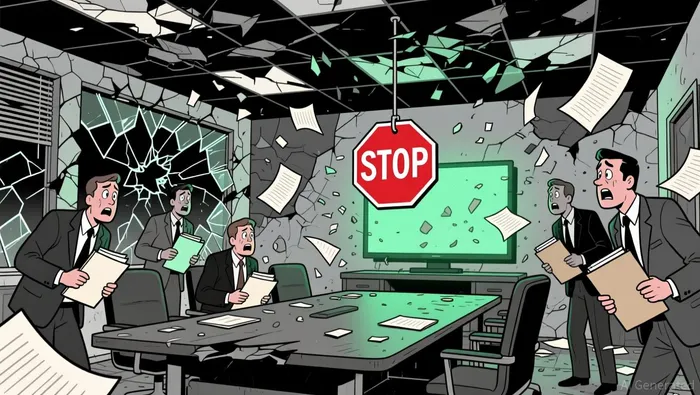 PDD's corporate governance has long been a source of concern. of its financials , citing aggressive accruals and poor cash quality. Recent months have only deepened the skepticism: senior management turnover, including no consistent CFO since 2018, and public backlash over employee deaths linked to the 996 work culture according to CNN. While PDD has established committees like the Audit and Compensation Committees according to investor materials, these structures lack the transparency seen at peers like Alibaba. For instance, Alibaba, despite its own antitrust woes, has taken steps to align with international ESG standards and disclose algorithmic principles. PDD's governance, by contrast, remains a work in progress.
The Alibaba-JD.com Contrast: Lessons in Resilience
Comparisons with Alibaba and JD.com highlight PDD's vulnerabilities. Alibaba, despite a $2.8 billion antitrust fine in 2021, has embraced algorithmic transparency and localized data governance to navigate dual compliance pressures. JD.com, meanwhile, has focused on profitability while absorbing losses in new ventures like food delivery according to Futunn analysis. Both companies have shown that regulatory risks, while daunting, can be managed with strategic foresight. PDD's conservative approach-prioritizing agricultural investments and merchant subsidies over high-risk expansions-has yielded a 17% net profit increase and robust cash reserves. But can this strategy withstand the next regulatory wave?
Political Risks: The Delisting Domino
The geopolitical chessboard is no less treacherous. U.S.-China tensions, exacerbated by the HFCAA, have pushed PDD to switch auditors to a Hong Kong-based firm-a move analysts see as a precursor to a secondary listing. This isn't just about access to capital; it's about survival. notes, U.S. delisting risks are driving Chinese firms to Hong Kong, where regulatory expectations are more aligned with their homegrown practices. However, this shift doesn't eliminate risks. PDD still faces scrutiny over data security and supply chain ethics, particularly in the U.S. and EU.
The Bottom Line: Buy, Sell, or Hold?
For investors, the calculus is clear: PDD's long-term vision is compelling, but its short-term risks are staggering. The company's liquidity and global expansion through Temu offer upside potential. Yet, the regulatory and political headwinds-ranging from EU raids to forced labor allegations according to Senator Cotton's report-are hard to ignore. Alibaba and JD.com demonstrate that resilience is possible, but PDD's governance and transparency gaps remain a liability.
Verdict: This is a high-risk, high-reward play. If you're bullish on PDD's ability to adapt, a cautious "hold" makes sense. But if regulatory or political risks escalate, it's time to cut losses. In this market, agility is everything-and PDD's next moves will determine whether it's a phoenix or a cautionary tale.







Comentarios
Aún no hay comentarios