
Navigating the Sino-Russian Axis: Geopolitical Alliances and Investment Opportunities in Energy and Defense
The Sino-Russian partnership, forged through necessity and strategic alignment, has evolved into a cornerstone of global geopolitics. As Western sanctions isolate Russia, Beijing's economic lifeline has become indispensable, creating fertile ground for cross-border investments in energy and defense. This article explores how geopolitical alliances are shaping investment opportunities—and risks—in two critical sectors.
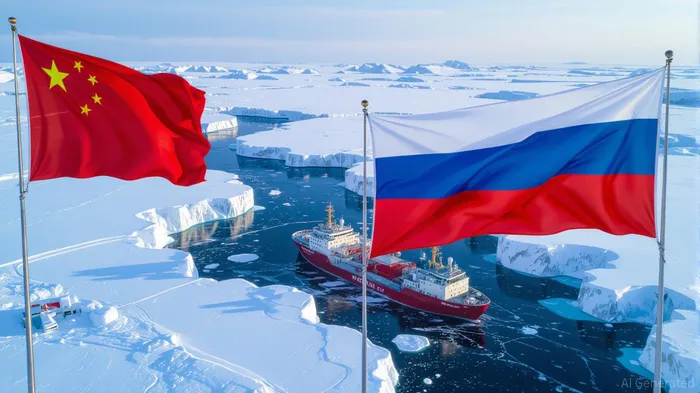
Energy: The Arctic as a New Frontier
The Arctic is emerging as a battleground for energy dominance. Sino-Russian collaboration on projects like the Arctic LNG 2 terminal exemplifies this dynamic. Despite U.S. sanctions forcing Chinese firms like Wison New Energies to withdraw, Beijing has quietly re-engaged through state-owned enterprises such as PetroChina, which acquired a 10% stake in 2024. The project's completion hinges on overcoming logistical hurdles, but its success could unlock vast gas reserves, offering investors exposure to discounted Russian LNG.
Investment Takeaways:
- Arctic Infrastructure: Companies involved in shipping (e.g., China Merchants Group) and port development (e.g., Rosatom's joint ventures) stand to benefit as the NSR becomes commercially viable by the late 2020s.
- Critical Minerals: Lithium and titanium joint ventures (e.g., Kolmozerskoye on the Kola Peninsula) align with EV battery demand. However, China's export restrictions on rare earth processing tech pose a risk.
Defense: Dual-Use Tech and the Weaponization of Trade
China's role as Russia's de facto arms supplier has blurred civilian and military trade. While overt arms sales remain limited, Beijing's provision of semiconductors, drones, and critical minerals has enabled Russia to sustain its war effort. For instance, Chinese microchip imports accounted for 89% of Russia's 2023 semiconductor needs.
Investment Opportunities:
- Dual-Use Technologies: Firms like ZTE and Huawei, which supply telecom and semiconductor components, could see rising demand despite U.S. sanctions.
- Arctic Security: Defense contractors involved in polar surveillance (e.g., drones for ice monitoring) or cybersecurity (to protect energy grids) may gain traction as tensions escalate.
Geopolitical Risks: The Fragile Alliances
While Sino-Russian collaboration is deepening, friction persists. Russia's reluctance to cede Arctic sovereignty clashes with China's “near-Arctic state” ambitions, while Beijing's refusal to formally recognize Russia's annexations in Ukraine underscores its strategic autonomy.
Key Risks:
- Sanctions Evasion: Investors in logistics or energy must monitor secondary sanctions risks. For example, firms involved in NSR shipping face scrutiny over ties to sanctioned entities.
- Currency Volatility: The yuan's 30% share in bilateral trade is a double-edged sword. A repeat of late 2024's yuan liquidity crisis could destabilize cross-border settlements.
Strategic Playbook for Investors
- Energy Plays:
- Long-term: Invest in Arctic LNG projects through ETFs tracking Russian energy stocks (e.g., Market Vectors Russia ETF).
Near-term: Short positions on Brent crude may profit from oversupply if Arctic LNG 2 ramps up production.
Defense and Tech:
- Target firms supplying dual-use goods (e.g., semiconductor manufacturers SMIC or Yangtze Memory Technology).
Avoid overexposure to Russian defense stocks (e.g., Rostec) due to technology gaps and reliance on Chinese components.
Currency Hedging:
- Use yuan-denominated bonds (e.g., China Construction Bank's offshore yuan bonds) to capitalize on de-dollarization trends.
Conclusion
The Sino-Russian axis presents a paradox of opportunity and risk. Investors must balance the $250 billion trade corridor's growth potential against geopolitical volatility and regulatory hurdles. Sectors like Arctic energy infrastructure and dual-use tech offer asymmetric returns, but agility is key—especially as Western sanctions evolve. For the bold, this alliance is a geopolitical multiplier; for the cautious, it's a reminder that alliances built on necessity may fracture under pressure.
In the Arctic's icy expanse and the defense labs of Shenzhen, the future of this alliance—and its investment prospects—is being written. The question remains: Will it be a partnership of equals, or a transactional marriage of convenience? The answer will shape portfolios for years to come.







Comentarios
Aún no hay comentarios