
Navigating the Shadows of Macroeconomic Pessimism: Asymmetric Risks and Hidden Opportunities in 2025
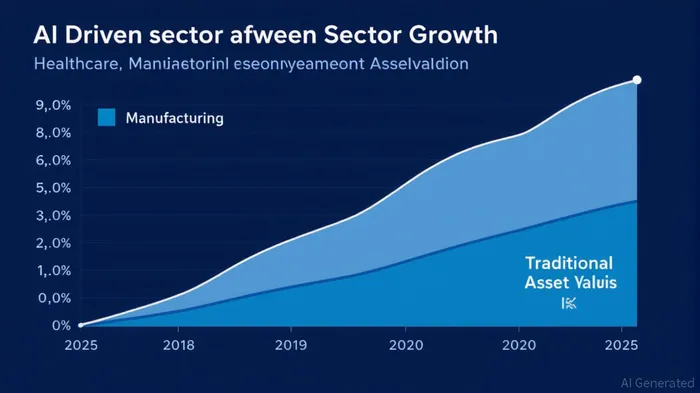
The global economy in 2025 is marked by a pervasive sense of unease. Investor sentiment has soured, bond yields have inverted in key markets, and equity valuations are being recalibrated under the weight of geopolitical fragmentation and slowing growth. Yet, amid this pessimism, a more nuanced story is unfolding: asymmetrically priced risks and overlooked opportunities are emerging in sectors where technological disruption and structural shifts are outpacing traditional macroeconomic indicators.
The Paradox of Pessimism and Innovation
Macroeconomic pessimism often leads to a myopic focus on short-term volatility, causing investors to underprice long-term structural trends. A case in point is the rapid adoption of artificial intelligence (AI) across industries. According to a report by the World Economic Forum, AI-driven healthcare innovations are enhancing diagnostic accuracy and enabling early disease detection, potentially reducing long-term healthcare costs by up to 30%[4]. Similarly, AI-optimized manufacturing processes are projected to cut waste by 50% and boost production efficiency[3]. These advancements, however, are not yet fully reflected in asset valuations, as markets grapple with near-term uncertainties.
The asymmetry here is stark: while AI's potential to reshape industries is undeniable, its risks—such as job displacement in clerical and administrative roles—are being overpriced relative to its opportunities[2]. Investors who focus solely on the labor market disruptions may miss the broader value creation in sectors like healthcare and advanced manufacturing.
Geopolitical Fragmentation and Supply Chain Reconfiguration
The resurgent U.S. tariff regime and global trade fragmentation add another layer of complexity. As stated by the World Economic Forum, these shifts are prompting companies to reorient supply chains toward regional hubs, favoring resilience over cost efficiency[1]. This trend has asymmetric implications for asset classes. For instance, real estate investments in nearshoring hubs (e.g., Mexico, Vietnam) are undervalued relative to their long-term strategic importance, while traditional manufacturing centers in China face overpriced risk premiums.
Moreover, the energy transition remains a double-edged sword. While renewable energy assets are gaining traction, the slow adoption of AI in healthcare and the lack of governance frameworks for emerging technologies underscore the uneven pace of progress[5]. Investors who can distinguish between sectors where innovation is accelerating and those where it is lagging will find fertile ground for asymmetric returns.
The Case for Rebalancing Portfolios
The key to navigating this environment lies in identifying assets where pessimism has created mispricings. For example, AI-driven healthcare platforms are trading at discounts to their intrinsic value, despite their potential to reduce systemic healthcare costs and improve patient outcomes[4]. Similarly, industrial automation firms in manufacturing are undervalued, even as their technologies promise to unlock billions in productivity gains[3].
Conversely, sectors reliant on legacy models—such as traditional energy or brick-and-mortar retail—are overvalued in the context of long-term structural shifts. The challenge for investors is to balance the immediate risks of macroeconomic downturns with the compounding benefits of technological adoption.
Conclusion: A Call for Strategic Optimism
Macroeconomic pessimism is a double-edged sword. While it amplifies risk premiums and depresses valuations, it also creates fertile ground for contrarian investing. The asymmetries in today's markets are not random—they are the result of structural shifts in technology, labor, and geopolitics. Investors who can parse these signals will find opportunities in the shadows of pessimism, provided they are willing to look beyond the noise of the moment.







Comentarios
Aún no hay comentarios