
Navigating Securities Litigation Risks in Dow Inc.: Investor Due Diligence in a Shifting Regulatory Landscape
For investors, the absence of direct securities litigation against Dow Inc.DOW-- (DOW) might suggest a relatively stable legal environment. However, the broader regulatory and political landscape—marked by corporate retrenchment from diversity, equity, and inclusion (D.E.I.) initiatives and intensified antitrust scrutiny—introduces indirect risks that warrant careful due diligence. While no recent cases explicitly target DOW, the firm's history of navigating high-stakes legal challenges and the evolving enforcement priorities of regulators offer critical insights into potential vulnerabilities.
The Rohm & Haas Acquisition: A Case Study in Legal Complexity
Dow's 2025 acquisition of Rohm & Haas, valued at $15 billion, serves as a cautionary tale for investors. Though the deal was ultimately resolved successfully, the litigation process underscored the complexities of large-scale mergers in a climate of heightened regulatory skepticism. Law firms like Kirkland & Ellis, which defended the transaction, highlighted the need for proactive legal strategies to address shareholder concerns and antitrust risks[1]. This episode illustrates how even well-structured deals can face protracted legal challenges, potentially disrupting market confidence and stock performance.
Regulatory Shifts and the D.E.I. Retreat
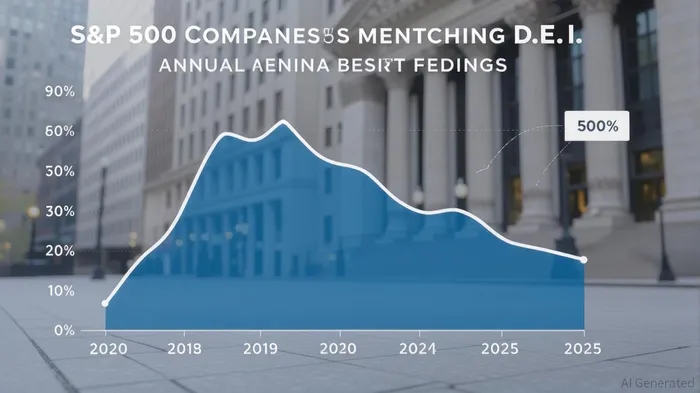
A broader trend of corporate caution in public messaging has emerged, particularly in response to regulatory and political pressures. According to a report by The New York Times, nearly 60% of S&P 500 companies reduced or eliminated references to D.E.I. in their 2025 annual filings compared to 2024[2]. Firms like Dow and AdobeADBE-- adjusted their disclosures to align with the Trump administration's skepticism of such initiatives, reflecting a strategic pivot to avoid legal and political backlash. While this shift does not directly implicate DOW in misconduct, it signals a corporate culture increasingly attuned to regulatory risks—a factor that could influence investor perceptions of governance quality.
Antitrust Scrutiny and Sector-Wide Implications
Though DOW is not currently embroiled in antitrust litigation, the sector-wide focus on competitive practices remains a concern. Law firms such as Cohen Milstein have pursued high-profile cases against pharmaceutical companies for anticompetitive drug pricing, demonstrating regulators' willingness to target market dominance[1]. For a company like DOW, which operates in capital-intensive, low-margin industries, even indirect regulatory shifts could trigger investigations into pricing strategies or market consolidation efforts. Investors must monitor whether DOW's strategic partnerships or acquisitions attract similar scrutiny.
International Compliance and the FCPA Challenge
Multinational corporations like DOW face additional risks from foreign regulatory enforcement. Ryan Rohlfsen of Ropes & Gray has emphasized the growing complexity of Foreign Corrupt Practices Act (FCPA) compliance, particularly in emerging markets[2]. While no FCPA violations have been alleged against DOW, the firm's global operations—spanning chemical manufacturing and agricultural products—expose it to potential enforcement actions. Proactive compliance measures, as advocated by legal experts, will be critical to mitigating these risks.
Conclusion: Balancing Certainty and Caution
Dow Inc.'s current legal profile appears robust, with no direct securities litigation or regulatory actions on the horizon. However, the dynamic regulatory environment—marked by political shifts, antitrust vigilance, and compliance challenges—demands that investors remain vigilant. The firm's historical ability to navigate complex legal terrain, as seen in the Rohm & Haas case, suggests resilience. Yet, the broader retreat from D.E.I. and the sector-wide antitrust focus highlight systemic risks that could indirectly impact DOW's stock volatility. For investors, the key lies in assessing not only the company's legal preparedness but also its adaptability to a rapidly changing enforcement landscape.





Comentarios
Aún no hay comentarios