
Navigating the New Seas of Maritime Safety: Why Insurance and Environmental Tech Are Riding the Wave
The March 2025 collision between the MV Stena Immaculate and MV Solong in the North Sea has sent shockwaves through the maritime industry, exposing vulnerabilities in safety protocols and environmental liability frameworks. This incident—resulting in a fire, potential jet fuel spill, and the arrest of the Solong's captain for gross negligence—has catalyzed a global reckoning. The fallout is clear: stricter regulations, heightened liability risks for shipping firms, and a surge in demand for innovative solutions to mitigate these risks. For investors, this is a golden opportunity to capitalize on two sectors primed for growth: maritime insurance and environmental cleanup technology.
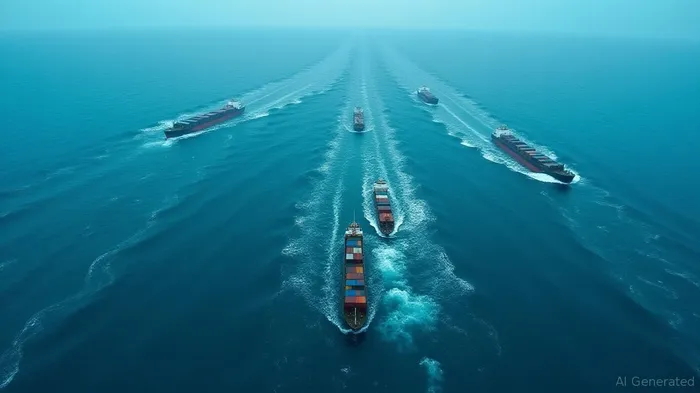
The Regulatory Tsunami: Why Now is the Turning Point
The North Sea collision has exposed gaps in maritime safety and environmental oversight. Key regulatory shifts are already underway:
- EU FuelEU Maritime Directive: Mandates lower-carbon fuels and energy efficiency in EU ports, requiring shipping firms to invest in cleaner tech.
- EU Emissions Trading System (ETS) for Shipping: Imposes carbon pricing, increasing operational costs for non-compliant operators.
- IMO's GHG Strategy: Aims for 40% emissions reduction by 2030, pushing the industry toward zero-emission fuels.
Meanwhile, the incident has amplified scrutiny of cargo safety protocols, autonomous navigation systems, and emergency response preparedness. For insurers, this translates to higher premiums for outdated fleets and stricter underwriting criteria. For environmental tech firms, it opens doors to contracts for spill containment, bioremediation, and real-time monitoring systems.
Maritime Insurance: A Premium Play on Risk Mitigation
The North Sea collision underscores a stark reality: shipping companies are facing unprecedented liability risks. The incident's legal fallout—already involving London Admiralty Court claims—hints at a future where insurers must contend with larger, more complex payouts.
Why Invest Now?
1. Rising Premiums: Stricter regulations and increased accident scrutiny will drive up insurance costs for non-compliant operators. Firms like XL Catlin and Chubb, with expertise in marine liability, are positioned to capture this premium upside.
2. New Product Opportunities: Insurers can offer specialized policies for autonomous shipping risks, cyber threats (e.g., hacked navigation systems), and pollution liability. The "polluter pays" principle ensures demand for coverage in high-risk zones.
3. Geopolitical Tailwinds: Post-Brexit EU regulations and U.S. cybersecurity mandates (e.g., the EPA's Vessel Incidental Discharge Act) create a fragmented compliance landscape, favoring insurers with global expertise.
Environmental Cleanup Tech: The Cleanup Crew of the Future
The Stena-Solong collision's environmental risks—though mitigated by jet fuel's volatility—highlight the need for advanced cleanup tools. Even minor spills can trigger costly containment efforts, creating a $12.4 billion market for marine environmental services by 2028 (Grand View Research).
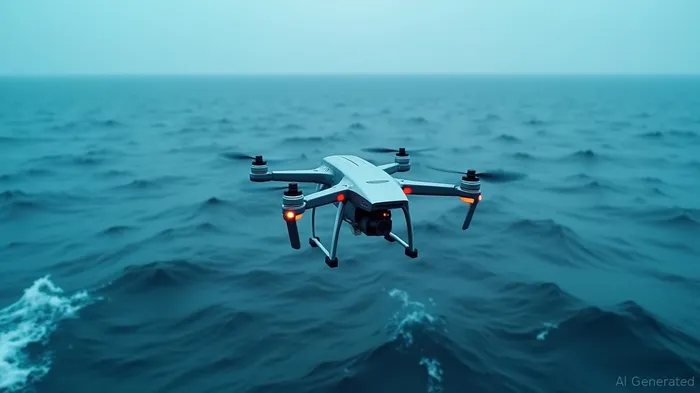
Key Investment Themes:
1. Bioremediation Solutions: Companies like Cevan Technologies (developer of oil-eating microbes) and EcoClean Solutions (specializing in chemical spill cleanup) can reduce cleanup times and costs.
2. AI-Powered Monitoring: Firms offering satellite AIS tracking (e.g., Spire Global) and AI spill detection systems (e.g., OceanMind) are critical for real-time risk assessment.
3. Disaster Response Infrastructure: Investors should look to firms like Veolia Environnement (VIE.PA), which provides end-to-end environmental remediation services, and Kongsberg Maritime, a leader in subsea robotics for spill containment.
The Bottom Line: Ride the Wave, Don't Get Drowned
The maritime industry is at a crossroads. Regulatory overhauls, liability inflation, and environmental scrutiny are here to stay. For investors, this is a once-in-a-decade opportunity:
- Maritime Insurance: Capitalize on rising premiums and new product demand.
- Environmental Tech: Back firms offering cutting-edge solutions to mitigate spills and monitor compliance.
The North Sea collision was a wake-up call. Those who act swiftly to invest in these sectors will ride the wave of regulatory change—while others drown in outdated business models.
Act now before the tide turns.
Investment Disclaimer: Past performance does not guarantee future results. Always conduct thorough due diligence before making investment decisions.







Comentarios
Aún no hay comentarios