
Navigating Regulatory Risk: How Trump's FDA and CDC Picks Impact BioPharma and Healthcare ETFs
Biopharma: A Double-Edged Sword of Speed and Scrutiny
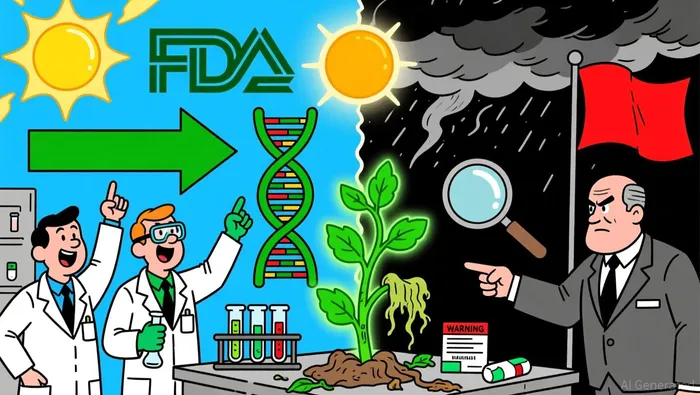
The Trump administration's FDA has historically prioritized expediting drug approvals, a trend likely to intensify under its 2024 appointees. For instance, the agency's reliance on accelerated pathways-such as those for rare diseases and advanced therapies-has already reduced time-to-market for innovative treatments. This aligns with the administration's broader "America First" agenda, which seeks to streamline regulatory processes to bolster domestic pharmaceutical innovation.
However, this acceleration comes with caveats. Critics argue that the FDA's reduced emphasis on long-term safety studies and its openness to AI-driven clinical trials could erode public trust if adverse outcomes emerge. For example, the agency's recent safety label requirements for opioids highlight a balancing act between innovation and risk mitigation. While such measures may appease investors seeking rapid returns, they also expose companies to potential litigation or reputational damage if post-market safety issues arise.
The administration's stance on ESG (environmental, social, and governance) compliance further complicates the landscape. By rolling back ESG-related mandates, the FDA and CDC may ease compliance burdens for U.S.-based firms, particularly in manufacturing and supply chain operations. Yet, this divergence from global ESG standards could strain cross-border partnerships, especially in Europe and Asia, where sustainability frameworks are more entrenched.
Healthcare ETFs: Policy Shifts and Portfolio Implications
Healthcare ETFs, including the VictoryShares US EQ Income Enhanced Volatility Wtd ETF (CDC), are likely to experience mixed signals from the administration's agenda. On one hand, the FDA's focus on fast-tracking approvals and reducing oversight could boost biotech stocks within these funds, particularly those specializing in niche therapies or AI-driven diagnostics. On the other hand, the administration's withdrawal from global health institutions like the World Health Organization (WHO) may disrupt international market access for U.S. firms, creating volatility in ETF performance.
Trade policies also play a role. The Trump administration's push to repatriate pharmaceutical manufacturing could benefit domestic producers but may increase costs due to higher production expenses and potential trade disputes. For ETFs with diversified holdings, this duality-reduced foreign reliance versus elevated costs-demands careful portfolio management.
Moreover, the administration's stance on Medicaid and Medicare drug pricing remains a wildcard. While the Medicare Drug Price Negotiation Program faces potential dismantling, the lack of clarity on Medicaid funding could create regulatory uncertainty, affecting ETFs tied to prescription drug affordability initiatives.
Risks: Politicization and Staff Erosion
A critical risk lies in the politicization of public health. The Trump administration's 2017–2021 tenure saw significant budget cuts to the CDC, including a 53% proposed reduction, and the appointment of non-experts like Robert F. Kennedy Jr., which critics argue weakened the agency's scientific credibility. While the 2024 appointees' backgrounds remain partially opaque, historical patterns suggest a continued prioritization of political loyalty over technical expertise. This could lead to inconsistent regulatory standards and delayed responses to public health crises, indirectly affecting ETF stability.
Additionally, the FDA's recent staff reductions and leadership turnover have raised concerns about capacity to manage an influx of accelerated approval applications. If the agency struggles to maintain throughput, delays could emerge, creating bottlenecks for biopharma firms reliant on timely approvals.
Investment Strategies: Balancing Agility and Caution
For investors, the key lies in hedging against regulatory volatility while capitalizing on innovation-driven opportunities. ETFs with exposure to AI-driven drug discovery platforms or rare disease therapies may outperform in this environment, given the administration's policy tailwinds. Conversely, funds heavily weighted toward global ESG-aligned healthcare providers could face headwinds, necessitating a rebalancing toward domestic, compliance-light portfolios.
Biopharma companies should also prioritize transparency in safety protocols to mitigate reputational risks. Those leveraging AI for clinical trials must demonstrate robust validation processes to retain investor confidence.
Conclusion
The Trump administration's FDA and CDC appointments signal a regulatory environment defined by speed, deregulation, and geopolitical recalibration. While these shifts offer growth opportunities for biopharma firms and select healthcare ETFs, they also introduce risks tied to politicization, safety concerns, and global market fragmentation. Investors must navigate this landscape with a dual focus: embracing innovation while safeguarding against the unintended consequences of a policy-driven regulatory apparatus.







Comentarios
Aún no hay comentarios