
Navigating Regulatory and Legal Risks in Biotech Investing: A Due Diligence Imperative
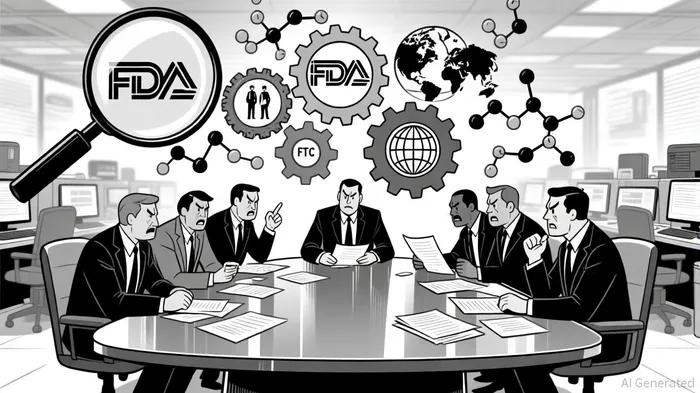
The biotechnology sector, long a beacon of innovation, now faces a labyrinth of regulatory and legal challenges that demand rigorous investor due diligence. From shifting FDA policies to global supply chain disruptions, the risks are multifaceted and evolving. For investors, understanding these dynamics—and how firms prepare for them—is critical to safeguarding returns and fostering sustainable growth.
The Evolving Regulatory Landscape
The U.S. Food and Drug Administration (FDA) has emerged as both a catalyst and a constraint for biotech innovation. Recent court rulings, such as the rejection of the FDA's LDT final rule, underscore the agency's vulnerability to legal challenges over regulatory overreach [1]. Simultaneously, the sunset of the FDA's Rare Pediatric Disease Priority Review Voucher (PRV) program—without reauthorization in the March 2025 funding bill—has left stakeholders in limbo, with the program set to expire by 2026 [1]. These uncertainties complicate long-term planning for companies targeting niche therapeutic areas.
Global regulatory fragmentation further exacerbates the challenge. Tariffs on pharmaceuticals from key markets like Europe, China, and India—where many biotech firms outsource manufacturing and IP—threaten profit margins and supply chain stability [1]. Meanwhile, the UK's proposed clinical trial amendments and Japan's stringent data localization laws create redundancies in testing and documentation, inflating costs and delaying market access [1].
The Trump administration's “Make America Healthy Again” initiative adds another layer of complexity, with potential reforms to FDA user fee reauthorization and AI-driven regulatory decision-making [1]. Investors must also contend with the post-Chevron legal environment, where courts are less deferential to agency interpretations, increasing litigation risks for FDA approvals [2].
Investor Due Diligence: Beyond the Balance Sheet
Due diligence in biotech investing extends far beyond financial metrics. According to a report by EY, investors are now prioritizing cybersecurity, tax provisions, and scientific validation to mitigate regulatory risks [3]. For instance, GDPR and HIPAA compliance for data protection is non-negotiable, as breaches could erode trust and trigger hefty penalties. Similarly, technical due diligence in mergers and acquisitions (M&A) requires specialized expertise to assess a target's adherence to FDA guidelines, GMP standards, and CMC (Chemistry, Manufacturing, and Controls) protocols [4].
Case studies highlight the stakes. A small biotech firm developing cell therapies faced a partial clinical hold due to CMC deficiencies, prompting the FDA to demand additional data. By partnering with regulatory experts, the company resolved the issues and avoided further delays [5]. Another firm navigating gene therapy approvals leveraged strategic storytelling in its submissions to align with revised FDA guidelines, securing multiple indications [5]. These examples underscore the value of proactive engagement with regulators and robust compliance frameworks.
Preparing for the Unknown: Strategies for Resilience
To thrive in this environment, biotech firms must adopt scenario planning and build agile regulatory affairs teams. EY's 2025 report emphasizes the importance of nearshoring or reshoring manufacturing to mitigate tariff impacts and supply chain risks [1]. Companies are also investing in AI platforms to accelerate R&D, with 87% of allianceAENT-- deals in 2025 targeting AI-driven drug discovery [1].
Legal preparedness is equally vital. Firms must draft contracts with clear indemnification clauses and representations to allocate risks in M&A transactions [6]. Pre-transaction due diligence should scrutinize a target's litigation history, compliance programs, and third-party relationships to avoid reputational or financial fallout [6]. Post-acquisition, integrating the target's compliance infrastructure and maintaining ongoing regulatory monitoring are essential to prevent violations.
Conclusion
The biotech sector's future hinges on its ability to navigate a volatile regulatory and legal landscape. For investors, due diligence is no longer a checkbox exercise but a strategic imperative. By prioritizing cybersecurity, scientific rigor, and regulatory agility, firms can transform compliance challenges into competitive advantages. As the industry grapples with global tariffs, AI integration, and judicial shifts, preparedness—and not just innovation—will define success.







Comentarios
Aún no hay comentarios