
Navigating Regulatory Crosscurrents in Crypto: Risks and Rewards in a Compliant Era
The crypto sector, once defined by its Wild West ethos, is now squarely in the crosshairs of global regulators. The Financial Action Task Force's (FATF) 2025 compliance updates underscore a pivotal shift: the era of unchecked innovation is over. For investors, this regulatory reckoning presents a critical fork in the road—opportunistic pitfalls or strategic advantages, depending on how one navigates the evolving landscape. Let's dissect the risks and rewards.
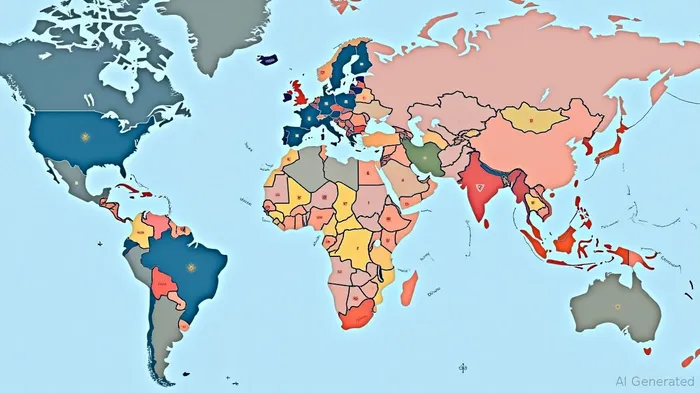
The Regulatory Risks: Costs, Confusion, and Criminal Exploitation
The FATF's Travel Rule mandates—requiring VA transfers to include originator and beneficiary details—are spreading rapidly, with 99 jurisdictions enacting or drafting laws. Yet enforcement lags: only 35% of these jurisdictions have acted, leaving gaps for bad actors to exploit. The “Sunrise Issue” persists, as 42 jurisdictions failed to report their compliance status, creating regulatory blind spots. For investors, this means heightened operational costs for crypto firms as they scramble to meet fragmented requirements.
Stablecoins, the sector's lifeblood, are now the primary conduit for illicit finance. North Korean hackers' $1.46 billion heist from ByBit in 2025—and the paltry 3.8% recovery—illustrates the stakes. Stablecoin-linked fraud and scams totaled $51 billion in 2024, driven by AI-powered scams and DeFi vulnerabilities. Investors in platforms with weak compliance or exposure to unhosted wallets face not just reputational damage but also asset seizures and legal liabilities.
A telling here would track the stock performance of crypto exchanges like CoinbaseCOIN-- (COIN) or Binance, which have faced regulatory scrutiny. Their volatility underscores the sector's sensitivity to compliance-related news.
The Opportunities: Compliance as Competitive Advantage
Amid the risks, a clear path emerges for firms that embrace regulation as a feature, not a bug. The FATF's 2030 deadline for standardized cross-border VA transfers ($1,000+ threshold) creates a race to build scalable compliance frameworks. Investors should prioritize platforms that:
1. Operate in “Materially Important” Jurisdictions: The 67 jurisdictions covering 98% of the VA market—like the EU, US, and now Bahrain—are where liquidity and legitimacy converge. Firms with licenses in these regions (e.g., Coinbase's US ties or Switzerland's crypto-friendly policies) gain a first-mover edge.
2. Master the Travel Rule: Firms like CircleCRCL-- (behind USD Coin) or Paxos (Pax Dollar) have built compliance infrastructure into their DNA. Their ability to track transfers and collaborate with regulators could set them apart.
3. Innovate in Stablecoin Design: Central bank digital currencies (CBDCs) and regulated stablecoins—such as the Diem project's pivot to regulated units—are gaining traction. Investors should watch for firms aligning with these trends, which promise lower risk and higher adoption.
The Wild Cards: DeFi, AI, and Geopolitical Fractures
The FATF's focus on DeFi and unhosted wallets introduces new variables. While half of regulators now require DeFi projects with “identifiable control parties” to register as VASPs, enforcement remains patchy. Similarly, AI-driven scams—think deepfake phishing or algorithmic fraud—threaten even compliant platforms. Meanwhile, geopolitical divisions loom: jurisdictions like Ethiopia and Morocco outright ban VAs, while others like El Salvador dabble in regulatory arbitrage. Investors must assess how firms mitigate these risks through technology (e.g., blockchain analytics) and partnerships (e.g., with law enforcement).
Investment Strategy: Due Diligence Meets Innovation
The mantra for crypto investors today is: Compliance first, innovation second. Prioritize firms with:
- Proven Regulatory Track Records: Check licenses, audits, and participation in FATF-aligned frameworks like the VASP directory.
- Exposure to Stablecoin Evolution: Back projects that blend transparency with usability—think CBDC-inspired designs or tokenized fiat.
- Geographic Diversification: Avoid overexposure to non-compliant or “Sunrise” jurisdictions; favor firms with footprints in 29% “largely compliant” regions.
: Compare the market caps of regulated stablecoins (e.g., USDC, BUSD) versus unregulated rivals. The former's growth may signal investor preference for safety in a risk-conscious era.
Conclusion: The Crypto Sector's Regulatory Inflection Point
The FATF's 2025 updates are a clarion call: crypto's Wild West days are ending. For investors, the path forward demands discernment. The risks—operational costs, asset seizures, and reputational harm—are real. But the opportunities—compliance-driven moats, stablecoin innovation, and regulatory arbitrage mitigation—are equally compelling. The winners will be those who marry robust compliance with cutting-edge technology, turning regulatory headwinds into tailwinds. As always, the key is to bet on preparedness, not just disruption.
In this new era, due diligence isn't optional—it's the price of admission.





Comentarios
Aún no hay comentarios