
Navigating Political Turbulence: Resilient Sectors in Mexico and Guatemala Amid U.S. Policy Shifts
In 2025, Latin America's emerging markets are caught in a crossfire of political volatility, U.S. protectionism, and shifting migration dynamics. Mexico and Guatemala, two pivotal economies in the region, face unique challenges and opportunities as they navigate anti-immigrant policies, institutional reforms, and geopolitical realignments. For investors, understanding the interplay between political risk and sector resilience is critical to identifying long-term value.
Mexico: Centralization, USMCA, and the Infrastructure Boom
Mexico's political landscape is dominated by the ruling Morena party, which has consolidated power through constitutional reforms and the dismantling of independent regulatory bodies. While this centralization has raised concerns about democratic erosion, it has also accelerated infrastructure projects under the Proyectos México initiative. These include seismic-resistant transportation corridors, energy grid upgrades, and urban retrofitting in high-risk zones like Mexico City. A 2025 study by the Universidad Nacional Autónoma de México warns that even moderate earthquakes could damage 15% of low-rise buildings in soft sediment areas, underscoring the urgency of these investments.
The U.S.-Mexico-Canada Agreement (USMCA) remains a double-edged sword. While it has solidified Mexico's role as a nearshoring hub for automotive and aerospace industries, U.S. protectionist rhetoric—particularly under the Trump administration—threatens to disrupt trade flows. Mexico's 0.7% Q2 GDP growth (seasonally adjusted) outperformed expectations, driven by a rebound in the services and industrial sectors. However, the primary sector contracted sharply, highlighting vulnerabilities in agriculture and natural resources.
Resilient Sectors in Mexico:
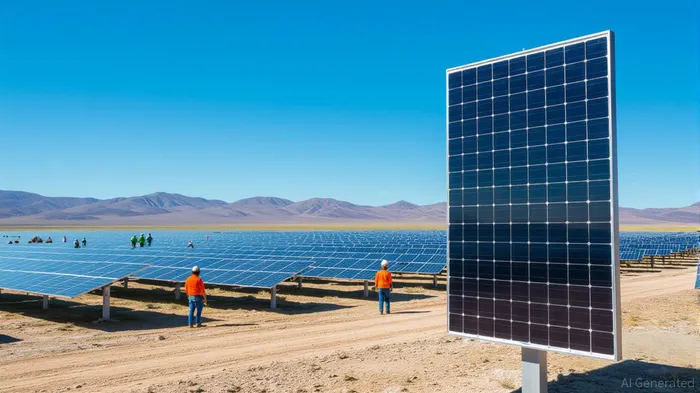
1. Infrastructure: Public-private partnerships (PPPs) in transportation and energy are attracting foreign capital. Projects like the Monterrey-Nuevo Laredo highway and Iberdrola's solar farms align with ESG trends and long-term demand.
2. Renewable Energy: Mexico's 35% renewable energy target by 2028 is driving investment in solar and wind, despite regulatory uncertainty.
3. Agriculture: Exports of avocados and corn are benefiting from U.S. demand, though retaliatory tariffs remain a risk.
Guatemala: Anti-Corruption Reforms and Infrastructure-Driven Growth
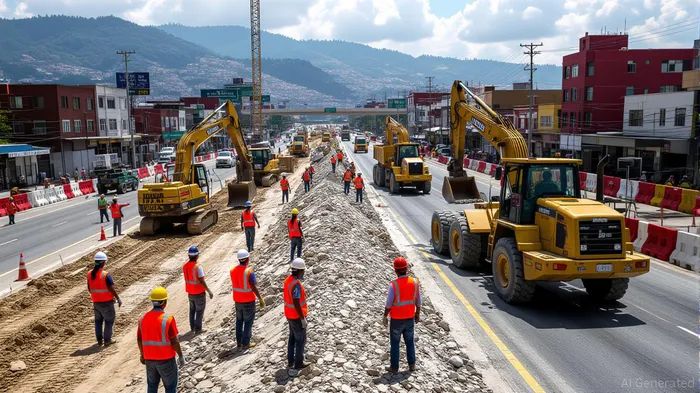
Guatemala's President Bernardo Arévalo has faced relentless opposition from entrenched elites and a politicized judiciary. Despite impeachment attempts and declining popularity, his administration has pushed through reforms, including an antitrust law and the Priority Road Infrastructure Law, which aims to expand 1,600 kilometers of critical roads. These projects are part of a broader strategy to boost connectivity and attract foreign investment, with Guatemala projected to grow by 4% in 2025.
The country's economic resilience is bolstered by low public debt (under 27% of GDP) and a current account surplus. However, U.S. policies like the proposed WIRED Act—a 10% fee on remittances—threaten to destabilize households reliant on these inflows (20% of GDP). Arévalo's focus on infrastructure and social spending, including a multi-year housing subsidy program, aims to address inequality but faces political fragmentation in Congress.
Resilient Sectors in Guatemala:
1. Infrastructure: Road and port expansions, including the modernization of the main international airport, are critical for trade and tourism.
2. Agriculture: Coffee and banana exports remain strong, supported by U.S. demand and improved security in key regions.
3. Energy: Hydro and solar projects are gaining traction, with potential for cross-border partnerships with Mexico's agribusiness sector.
Geopolitical Risks and Mitigation Strategies
The U.S. shift toward protectionism and unilateral tariffs has created a volatile environment. For example, the Trump administration's resumption of FCPA enforcement in 2025 has intensified scrutiny of corruption in Central America, particularly in sectors linked to organized crime. While this deters some investment, it also creates opportunities for ESG-aligned firms that prioritize compliance.
Investors must also consider the impact of anti-immigrant policies on remittances. Mexico's voluntary return programs and Guatemala's legal status grants for migrants offer partial buffers, but U.S. tariffs on remittances could still erode household income. Diversifying trade partnerships—such as with China and the EU—may mitigate this risk.
Investment Advice: Balancing Risk and Reward
- Prioritize Infrastructure and Renewables: Both Mexico and Guatemala offer high-impact opportunities in infrastructure and energy, with strong government backing and ESG alignment.
- Hedge Against Currency Volatility: The Mexican peso's 12% depreciation since 2023 highlights the need for hedging strategies in emerging market portfolios.
- Monitor Political Developments: In Mexico, watch for shifts in USMCA alignment and regulatory clarity. In Guatemala, track Arévalo's ability to navigate judicial challenges.
- Leverage Regional Synergies: Cross-border partnerships between Mexican and Guatemalan firms in agriculture and energy could enhance resilience against U.S. policy shocks.
In conclusion, while political tensions and U.S. policy shifts pose significant risks, Mexico and Guatemala's resilient sectors offer compelling opportunities for investors willing to navigate complexity. By focusing on infrastructure, renewables, and ESG-aligned agriculture, investors can position themselves to thrive in a volatile but dynamic region.







Comentarios
Aún no hay comentarios