
Navigating Patent Cliffs: Why Novartis and GSK Are Positioned for 2026 Growth Breakouts
BofA's Upgraded Outlook: A Pipeline-Driven Rationale
BofA's revised outlook for Novartis and GSK hinges on their ability to offset patent-related revenue declines with high-impact product launches and clinical data readouts. For GSK, the firm highlighted a "pivotal 2026" marked by two key launches: Blenrep (a B-cell maturation antigen-targeted therapy for multiple myeloma) and Depemokimab (a long-acting IL-5 inhibitor for severe asthma). These launches, coupled with Phase III data for Camlipixant (a P2X3 inhibitor for chronic cough) and Bepirovirsen (an RNAi therapy for hepatitis B), are expected to bolster GSK's Specialty business, which aims to generate over £40 billion in revenue by 2031.
Novartis, meanwhile, faces its own patent challenges but is poised to leverage seven Phase III studies in 2026 across oncology, immunology, and gene therapy. BofA estimates these trials could unlock a combined peak-sales opportunity of $15.6 billion, directly countering off-patent exposures. The firm's confidence is further reinforced by Novartis' recent FDA approval of a gene therapy for a rare muscle disorder, signaling its growing expertise in high-margin, niche therapies.
Strategic Collaborations and Emerging Therapies
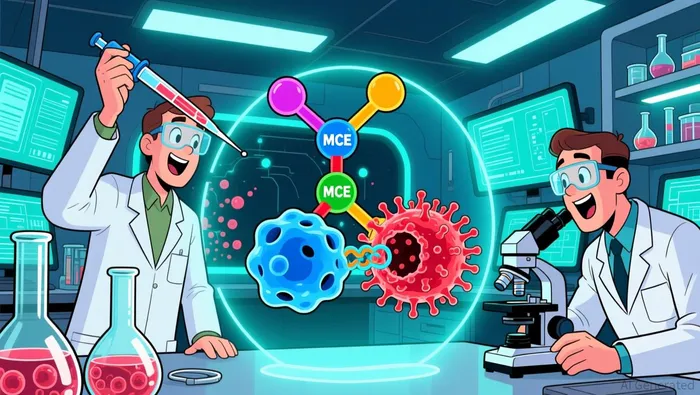 GSK's collaboration with LTZ Therapeutics exemplifies its proactive approach to innovation. The partnership, which includes a $50 million upfront payment and potential milestone payments, focuses on developing myeloid cell engager (MCE) therapies for hematologic cancers and solid tumors. MCEs represent a novel class of immuno-oncology treatments designed to enhance efficacy while minimizing toxicity-a critical differentiator in a competitive market according to GSK's press release. This alliance aligns with GSK's broader strategy to strengthen its Innovative Medicines segment, which has already demonstrated robust growth in Q3 2025.
During the quarter, GSK's Specialty Medicines sales surged 16% year-over-year to £3.4 billion, driven by double-digit growth in Respiratory, Immunology & Inflammation (+15%), Oncology (+39%), and HIV (+12%). These results, combined with four new product approvals in 2025-including Blujepa for uUTIs and Nucala for COPD-highlight the segment's resilience and scalability.
Underappreciated Upside in Specialty and Innovative Medicines
While both companies face near-term patent risks, their Specialty and Innovative Medicines segments remain underappreciated by the market. For GSK, the HIV patent cliff looms, but the Specialty business is already diversifying into high-growth areas like respiratory and oncology. BofA's analysis suggests that the 2026 pipeline events could generate enough revenue to offset HIV-related declines, creating a "growth flywheel" that extends beyond 2026.
Novartis' underappreciated upside lies in its gene therapy and cell therapy platforms. The recent FDA approval of a gene therapy for a rare muscle disorder not only validates its scientific capabilities but also opens doors to premium pricing models. With seven Phase III trials in the works, Novartis is well-positioned to transition from a patent-dependent model to one driven by innovation and therapeutic differentiation according to economic analysis.
Conclusion: Closing the Market Expectation Gap
The market's current valuation of Novartis and GSK fails to fully account for the scale and timing of their 2026 pipeline milestones. BofA's upgrades reflect a narrowing gap between these companies' intrinsic value and investor expectations, particularly as they navigate patent cliffs through strategic R&D and partnerships. For investors, the key takeaway is clear: both firms are transitioning from defensive postures to offensive growth strategies, with 2026 serving as a critical inflection point.
As the year approaches, close monitoring of Phase III data readouts, regulatory approvals, and collaboration progress will be essential. For now, the evidence suggests that Novartis and GSK are not just surviving the patent cliff-they are building a foundation for sustained outperformance.







Comentarios
Aún no hay comentarios