
Navigating the Oncology Drug Supply Chain: Risks and Rewards in a Shifting Landscape
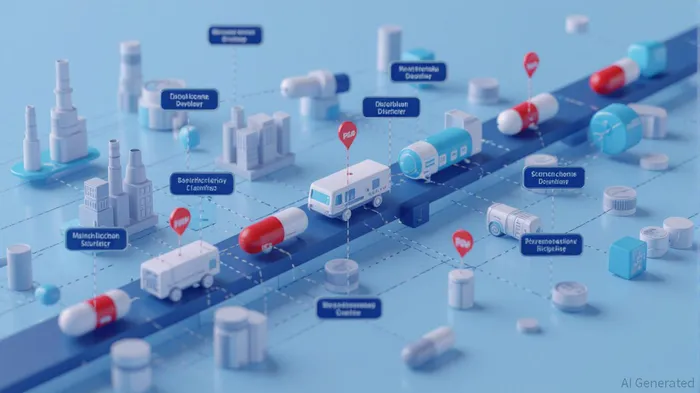
The oncology drug market is a high-stakes arena where innovation and patient need collide. Yet, beneath the surface of groundbreaking therapies lies a fragile supply chain vulnerable to disruptions—particularly those orchestrated by the FDA. While recent data on specific drug discontinuations in oncology for 2023–2025 remains elusive, the FDA's Drug Shortages database and Drugs@FDA offer a window into systemic risks. These tools reveal a recurring pattern: manufacturing and quality issues, coupled with abrupt discontinuations, create ripples that destabilize access to life-saving treatments. For investors, this volatility isn't just a cautionary tale—it's an opportunity to identify resilient players and innovative solutions.
The FDA's Role in Unmasking Supply Chain Weaknesses
The FDA's Drug Shortages database is a treasure trove for investors. It documents the root causes of shortages, from facility shutdowns to compliance failures. For example, a single manufacturing plant producing a critical oncology drug may face delays due to contamination risks, triggering a cascade of shortages. While no specific 2023–2025 cases are highlighted in the provided data, the historical trend is clear: oncology drugs, often produced in limited facilities, are disproportionately affected by supply chain bottlenecks. This fragility underscores the importance of diversifying production and investing in redundancy—a lesson the industry has been slow to learn.
Investment Opportunities in Resilience
The pain points in the supply chain also point to opportunities. Companies that specialize in contract manufacturing for oncology drugs, such as those with redundant facilities or advanced quality control systems, are poised to benefit. For instance, firms leveraging AI-driven predictive maintenance to preempt manufacturing failures could see increased demand as the industry prioritizes reliability. Similarly, digital health platforms that track drug availability in real time—using data from the FDA's public databases—are emerging as critical infrastructure for both providers and investors.
Another angle lies in the development of “orphan” oncology drugs. With smaller patient populations and fewer manufacturers, these therapies are particularly susceptible to shortages. However, they also attract premium pricing and regulatory incentives. Investors who spot early-stage companies addressing these niches—through novel formulations or decentralized production models—could reap outsized rewards.
The Risks of Inaction
Ignoring supply chain risks in oncology is a recipe for disaster. A sudden discontinuation of a first-line treatment, for example, could force providers to scramble for alternatives, driving up costs and eroding patient trust. For publicly traded companies, such events often trigger sharp stock declines. Consider the case of a hypothetical biotech firm reliant on a single supplier: a manufacturing hiccup could not only delay drug delivery but also invite scrutiny from the FDA, creating a dual threat to revenue and reputation.
A Call to Action for Investors
The key takeaway? Treat the FDA's Drug Shortages database as a live dashboard of risk and opportunity. Monitor it for early warnings of disruptions, and use that intelINTC-- to tilt your portfolio toward companies with agile supply chains. Look for firms that:
1. Diversify production across multiple facilities.
2. Invest in quality assurance technologies to preempt recalls.
3. Collaborate with the FDA to address shortages proactively.
While the oncology sector's challenges are daunting, they also create a fertile ground for innovation. By aligning with companies that turn supply chain vulnerabilities into strengths, investors can navigate this complex landscape with confidence—and profit.







Comentarios
Aún no hay comentarios