
Navigating Nordic Power Volatility: Capitalizing on Hydro Deficits and Renewable Trends
The Nordic power market is a study in contrasts: record-high hydro reservoir levels, wind-driven energy surpluses, and a structural shift toward renewables—yet hidden risks lurk beneath the surface. As climate volatility reshapes energy dynamics, investors must exploit short-term price spikes from hydrological deficits while positioning for long-term diversification trends.
The Current Landscape: Surpluses, Wind, and Weak Prices
Nordic hydropower reserves stood at 61 TWh as of late April 2025, a 29 TWh surplus over the same period in 2024. This surplus, driven by 18% higher Swedish wind output in 2024 and favorable precipitation forecasts for northern Scandinavia, has depressed Nordic power prices. June 2025 contracts currently trade at a €59–67/MWh discount to German power, with the spread widening as hydro surpluses flow into interconnected grids.
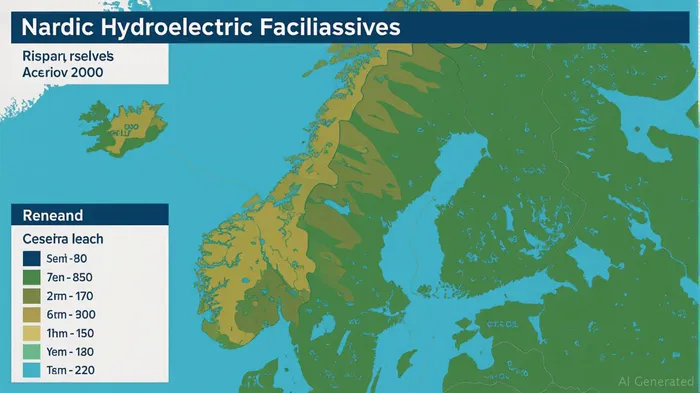
Climate-Driven Risks: Hydro Deficits and Volatility
Despite current surpluses, geographical and seasonal disparities create vulnerabilities:
1. Southern Norway's Exposure: Reservoirs in this region face stress if dry spells emerge, as they lack the northern rainfall buffers.
2. Wind Dependency: Swedish wind output, while robust, is inherently intermittent. A lull could force a sudden switch to hydropower, draining reservoirs.
3. Weather Wildcards: While models predict wet conditions through June, abrupt shifts could trigger price spikes.
Exploiting Short-Term Price Spikes
Investors can capitalize on hydrological deficits through:
- Shorting Nordic Power Forwards: Target contracts for periods when dry spells or wind lulls are forecast (e.g., late summer).
- Long Positions in Gas Infrastructure: Norwegian gas exporters (e.g., Equinor) benefit as Nordic surpluses suppress local prices but leave Continental Europe reliant on gas.
- Options Trading: Use call options on Nordic power futures to profit from sudden price spikes during weather-driven shortages.
Positioning for Energy Diversification
The Nordic market's reliance on hydro and wind underscores the need for diversification into complementary assets:
1. Solar in Southern Europe: Mitigate Nordic weather dependency by investing in solar projects in Spain or Italy, which thrive during Nordic dry spells.
2. Battery Storage: Capture intermittent wind and solar generation, reducing the need for hydro drawdowns.
3. Hydro Storage Upgrades: Firms like Statkraft (Norway's largest power producer) could benefit from infrastructure investments to optimize reservoir management.
Geopolitical and Structural Shifts
- Interconnector Risks: Outages like EstLink 2's (to Estonia) until August 2025 may disrupt arbitrage flows, creating localized price swings.
- Policy Tailwinds: The EU's push for affordable energy could boost demand for Nordic hydropower, but only if storage and grid flexibility improve.
Investment Strategy Summary
- Short-Term:
- Short Nordic power forwards for June–August 2025.
- Use options to hedge against upside risks in prices.
Invest in gas exporters like EquinorEQNR-- (EQNR) for arbitrage gains.
Long-Term:
- Allocate to solar and battery storage firms (e.g., Vattenfall's renewables division).
- Consider hydro infrastructure stocks (e.g., Statkraft) for operational resilience.
Conclusion
The Nordic power market's volatility is a double-edged sword: surpluses today could morph into deficits tomorrow. Investors must balance short-term speculative plays on weather-driven price spikes with long-term bets on energy diversification. Monitor weekly reservoir levels, ECMWF precipitation forecasts, and wind output trends to stay ahead of the curve. In a climate-altered landscape, agility and strategic diversification are the keys to sustained gains.







Comentarios
Aún no hay comentarios