
Navigating Market Volatility Amid Government Reopening: Opportunities in Essential Services and Consumer Aid Sectors
Tariffs, Inflation, and the Fragile Labor Market
The baseline economic forecast for 2025-2026 reveals a tightening noose of tariffs and inflation. According to a Deloitte U.S. economic outlook analysis, average tariff rates are projected to rise to 15% by mid-2026, with a statutory ceiling of 18.6% already in effect as of August 2025. These tariffs have accelerated core PCE inflation to 3.3% by 2026 and pushed the CPI to 3.1% in August 2025, with services inflation nearing 4% due to travel and shelter costs, according to a Global Economic Outlook Q4 2025 analysis. For essential services, this means margin compression as businesses absorb input costs or pass them to consumers, both of which dampen demand.
The labor market, once a pillar of post-pandemic resilience, is now showing cracks. The unemployment rate climbed to 4.3% in August 2025-the highest since 2021-further constraining consumer spending, according to a U.S. economic outlook. This weakening, combined with the Trump administration's One Big Beautiful Bill Act, which has increased the federal deficit and altered funding for Medicaid and food assistance programs, as noted in the Deloitte U.S. economic outlook analysis, creates a volatile backdrop for sectors reliant on public aid.
The Human Cost of Policy Delays: Consumer Aid in Crisis
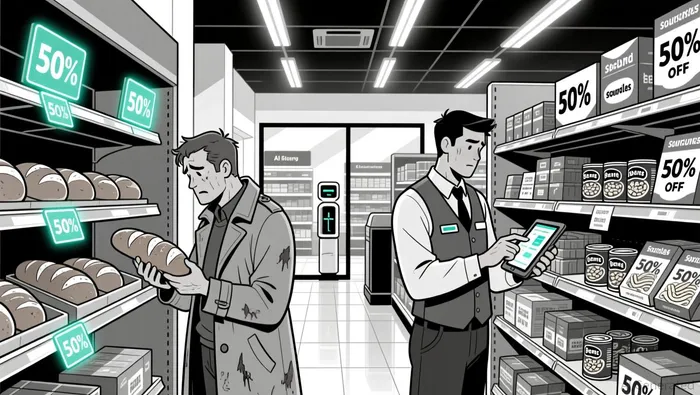
The most immediate and visible impact of delayed government reopenings has been on the Supplemental Nutrition Assistance Program (SNAP). A report by ABC News highlights how the freeze of SNAP funding at the end of October 2024 left 42 million Americans without critical food support, with cascading effects on small grocers and convenience stores, according to an ABC News report. For example, Ryan Sprankle's independent grocery stores in Pennsylvania saw a 25% revenue drop from SNAP benefits, compounding broader economic anxieties, as reported in the same ABC News report.
Smaller retailers in food deserts, such as Babir Sultan's FavTrip stores in Kansas City, reported 8-10% declines in foot traffic after the suspension of SNAP payments, as noted in the ABC News report. Nonprofits like Kanbe's Markets, which supplies produce to 110 convenience stores in Missouri, faced a 10% sales drop while increasing food distribution to pantries, straining budgets and operational capacity, according to the same report. These disruptions underscore a critical truth: consumer aid programs are not just social safety nets but engines of local economic activity.
Strategic Asset Positioning: Where to Invest Amid the Chaos
For investors, the key lies in identifying assets that either insulate against or capitalize on these policy-driven shifts. Here are three strategic angles:
Essential Services with Pricing Power: While tariffs and inflation erode margins, companies with strong pricing power in essential sectors-such as regional distributors or logistics firms-can mitigate these pressures. For example, businesses that streamline supply chains for small grocers (e.g., tech-enabled inventory platforms) may benefit from the need to reduce waste and optimize costs.
Consumer Aid Infrastructure: The resumption of SNAP funding and similar programs will likely trigger a rebound in demand for local retailers and food distributors. Investors could target ETFs or individual stocks in companies that support these sectors, such as regional grocery chains or agricultural cooperatives.
Inflation-Resilient Sectors: Sectors like healthcare and education, which are less sensitive to discretionary spending, may offer stability. The One Big Beautiful Bill Act's impact on Medicaid expansion could also create opportunities in healthcare providers and pharmaceuticals, as noted in the Deloitte U.S. economic outlook analysis.
Conclusion: Balancing Risk and Resilience
The 2025 reopening phase has exposed vulnerabilities in both policy frameworks and market structures. However, for investors with a long-term horizon, the current volatility represents a chance to acquire undervalued assets in sectors poised for recovery. By prioritizing companies that address the dual challenges of inflation and localized aid gaps, investors can navigate the turbulence while contributing to economic resilience.







Comentarios
Aún no hay comentarios