
Navigating the Lithium Tide: Maritime Shipping Risks and Opportunities in Specialized Infrastructure
The global shift toward electric vehicles (EVs) has created a paradox for maritime shipping: while demand for lithium-ion batteries is soaring, so are the risks of catastrophic fires. Over the past three years, incidents such as the Zeebrugge Harbor fire (April 2025)—where a cargo ship carrying 60 EVs required CO₂ flooding to control flames—and the Moss Landing BESS fire (January 2025) have underscored the vulnerabilities of current infrastructure. With lithium batteries now classified under stricter IMO regulations (effective 2025–2026), investors must focus on companies positioned to meet the growing demand for fire-resistant shipping solutions, advanced suppression technologies, and specialized salvage services.
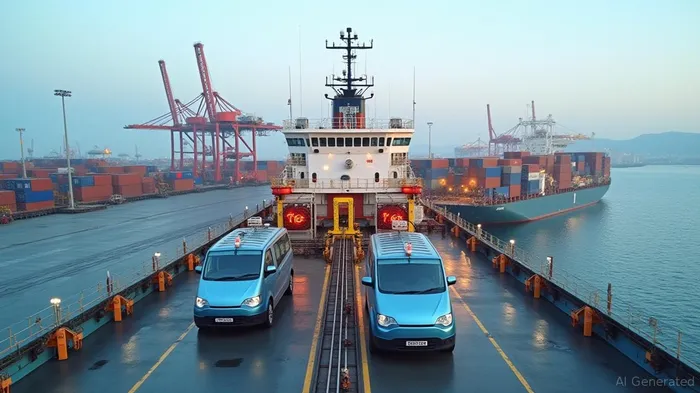
The Rising Tide of Risk: Incidents and Regulatory Shifts
The Allianz Safety & Shipping Review 2023 revealed a stark reality: maritime fires reached a decade-high in 2022, with over 200 incidents reported. Lithium-ion batteries, often misdeclared or improperly stored, were a major culprit. For instance, the Felicity Ace sinking (2022)—a car carrier carrying 4,000 vehicles—highlighted how EV fires can lead to total vessel loss.
New regulations are accelerating change. The IMDG Code Amendment 42-24 (2025) mandates stricter testing for lithium batteries, bans damaged batteries from transport, and introduces specialized packaging for EVs (UN 3556/3557). By 2026, ships must comply with rules like State of Charge (SoC) limits (≤30% for most batteries) and CO₂ flooding systems for cargo holds. Non-compliance risks fines, port bans, and reputational damage.
The Infrastructure Challenge: Building Safer Shipping
The maritime industry faces a dual imperative: retrofitting existing fleets and designing new ships to handle lithium risks. Three sectors are poised to benefit:
1. Fire-Resistant Cargo Vessels
Shipbuilders must now incorporate fireproof materials and advanced compartmentalization. Companies like Hapag-Lloyd and CMA CGM are investing in double-hulled ships and AI-driven thermal sensors to monitor cargo. Meanwhile, niche firms like Wallenius Wilhelmsen specialize in Ro-Ro (roll-on/roll-off) vessels optimized for EVs, with fireproof bulkheads and inert gas systems to suppress oxygen.
2. Advanced Fire Suppression Technologies
Traditional firefighting methods are inadequate for lithium fires, which burn at 2,000°F (1,100°C) and release toxic gases. Solutions like ultra-high-pressure water mist systems (e.g., from Kidde and Honeywell) and CO₂ flooding systems (e.g., Total Fire Solutions) are gaining traction. A would show investor confidence in this space.
3. Salvage and Recovery Services
When fires do occur, specialized salvors like Resolve Marine and Titan Salvage are critical. These firms use remote-operated vehicles (ROVs) and hazardous material containment systems to mitigate environmental damage. Their services will grow in demand as stricter liability laws hold shippers accountable for pollution.
Investment Opportunities: Betting on Safety
Investors should target companies driving innovation in three key areas:
- Safer Battery Technology
- Contemporary Amperex Technology Co (CATL) and LG Energy Solution are advancing solid-state batteries, which reduce thermal runaway risks. A **** would highlight their commitment to safety.
Tesla's 4680 battery (with improved thermal stability) could dominate EVs, but its stock's volatility requires caution.
Fire Suppression Systems
Kidde (a subsidiary of UTC Aerospace) supplies fire detection and suppression systems. Its shows strong correlation with sector trends.
Specialized Shipbuilding and Salvage
- Wallenius Wilhelmsen (OTC: WILSE) has a 30% market share in Ro-Ro EV transport and is expanding its AI-based risk management tools.
- Resolve Marine (private equity-backed) could see an IPO as salvage demand rises.
Risks and Considerations
- Regulatory Overreach: Stricter rules could delay shipments and increase costs.
- Technological Competition: Cheaper alternatives (e.g., sodium-ion batteries) may reduce lithium's dominance.
- Market Saturation: Over-investment in fire suppression tech could lead to price wars.
Conclusion: A Niche with Global Impact
The lithium-ion shipping crisis is not a passing storm but a permanent feature of the EV revolution. Companies that pioneer safer batteries, advanced fire systems, and specialized vessels will thrive. Investors should prioritize firms with patented safety technologies and long-term contracts with shipping giants. As the **** shows, the demand for risk mitigation is only accelerating—making this a critical sector to watch.
Investment Takeaway: Look to CATL, Kidde, and Wallenius Wilhelmsen as leaders in a $30B+ market for lithium-safe infrastructure. Diversify with exposure to salvage firms for downside protection. The lithium tide is rising—sail with those building the lifeboats.







Comentarios
Aún no hay comentarios