
Navigating Inflation and Fed Policy Risks: Strategic Defensive Positioning in 2025
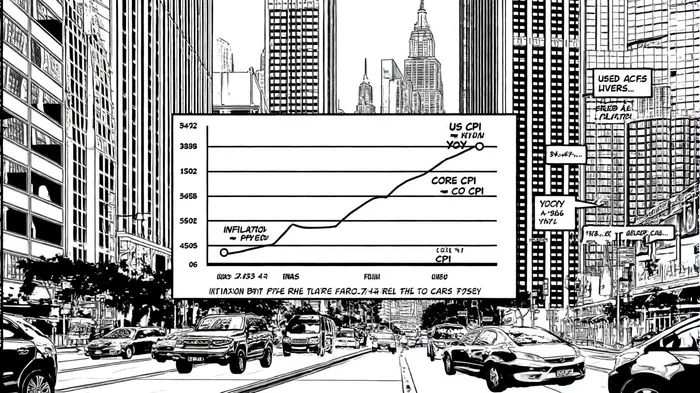
The U.S. inflation landscape in 2025 remains a tightrope walk for investors. According to the Bureau of Labor Statistics, the August 2025 CPI YoY inflation rate rose to 2.9%, up from 2.7% in July, driven by surging food prices (+3.2% YoY) and used car prices (+6% YoY) [1]. Shelter costs, a persistent inflationary force, climbed 0.4% monthly, underscoring the stickiness of housing-related price pressures [1]. Meanwhile, the Federal Reserve's September 2025 policy statement revealed a delicate balancing act: a projected 3.6% federal funds rate by year-end, with a 25 basis point rate cut penciled in for October 2025, as the central bank grapples with a softening labor market (unemployment at 4.3%) and a core CPI of 3.1% [2].
The Fed's Dovish Pivot and Inflationary Risks
The Fed's recent easing signals reflect a shift from its earlier hawkish stance. As stated in the FOMC's September 2025 projections, the central bank revised 2025 GDP growth downward to 1.6%—a sign of growing concerns over economic momentum—while inflation forecasts were nudged upward to 2.8% [2]. This divergence between slowing growth and stubborn inflation has forced the Fed into a cautious easing cycle. Futures markets now price in an 86.6% probability of a 25-basis-point rate cut in October 2025, a move aimed at cushioning a labor market that has seen subdued payroll gains and rising unemployment [2].
However, the Fed's easing path is not without risks. Persistent inflation, particularly in core CPI, suggests that monetary policy may need to remain tighter for longer than currently anticipated. A report by Farmdoc Daily notes that trade war uncertainties, high tariffs, and weak consumer sentiment could further complicate the Fed's dual mandate of price stability and maximum employment [2].
Defensive Asset Positioning in a Cautious Easing Environment
In this environment, investors are recalibrating portfolios to prioritize defensive assets. Shorter-duration U.S. Treasuries, such as intermediate-term bonds (e.g., IEF), have emerged as a favored hedge. These instruments offer a balance of yield and duration risk mitigation, particularly as the Fed's easing cycle raises concerns about longer-term bond volatility [3].
Gold, traditionally a store of value during inflationary periods, has also gained traction. According to a report by Gainesville Coins, gold prices surged to $3,707 per ounce following the September 2025 rate cut, driven by its role as an inflation hedge and geopolitical tensions [4]. This surge has defied the typical inverse relationship between gold and Treasury yields, which have continued to rise amid inflation expectations and fiscal sustainability concerns [4].
Equity sectors with stable cash flows, such as utilities and consumer staples, are similarly attracting defensive capital. Utilities have demonstrated resilience during recent market volatility, often moving counter-cyclically to broader indices [5]. Consumer staples, meanwhile, benefit from inelastic demand for essential goods, making them a reliable anchor in uncertain economic conditions [5].
Strategic Considerations for Investors
For long-term investors, the Fed's pivot away from its 2020 "average inflation targeting" framework underscores the importance of equities as a real-asset hedge. As Forbes notes, equities—particularly those in innovation-driven sectors—retain the ability to grow and adapt to macroeconomic shifts, even in a high-inflation environment [6]. However, the dominance of large-cap stocks in 2025 complicates traditional sector rotation strategies, suggesting that small-cap stocks may still offer upside potential if the Fed continues to cite economic slowdowns as justification for easing [2].
International equities and high-quality bonds also warrant consideration. A weaker U.S. dollar, likely in a Fed easing cycle, could boost the appeal of foreign markets, while investment-grade corporate bonds provide stable income and downside protection [5].
Conclusion
The interplay between inflation and Fed policy in 2025 demands a nuanced approach to defensive positioning. While the Fed's easing signals offer some relief, the persistence of inflation and economic headwinds necessitate a diversified strategy that balances yield, stability, and growth. By prioritizing shorter-duration Treasuries, gold, and defensive equities, investors can navigate the uncertainties of a cautious easing environment while safeguarding against inflationary shocks.







Comentarios
Aún no hay comentarios