
Navigating India's E-Waste Revolution: Regulatory Risks and Opportunities for Multinationals
India's 2025 e-waste regulations mark a pivotal shift toward formalizing waste managementWM--, with profound implications for multinational corporations (MNCs) operating in sectors like electronics, solar energy, and construction. The Hazardous and Other Wastes Amendment Rules, effective April 2026, impose stringent Extended Producer Responsibility (EPR) obligations, recycling targets, and compliance mechanisms that redefine operational and financial risks for global players. For investors, these changes present both hurdles and openings to capitalize on India's circular economy push.
Sector-Specific Regulatory Challenges
The new rules target industries central to India's growth trajectory:
- Electronics and Non-Ferrous Metals:
Producers must now recycle 70% of e-waste and incorporate minimum recycled content into new products (Schedule-XIII). This directly impacts MNCs like AppleAAPL--, Samsung, and DellDELL--, which face rising compliance costs. Non-compliance risks penalties, including environmental compensation fees (up to ₹1 lakh per violation) and operational shutdowns.
Investors should monitor how tech giants adapt. Companies with robust EPR partnerships or in-house recycling infrastructure—such as Foxconn or Sony—may gain an edge.
Solar Energy:
The draft Solar EPR guidelines, finalized after feedback closes on June 30, 2025, require manufacturers to collect and recycle end-of-life solar panels. This affects firms like First SolarFSLR-- and JinkoSolarJKS--, which must invest in reverse logistics or risk fines. A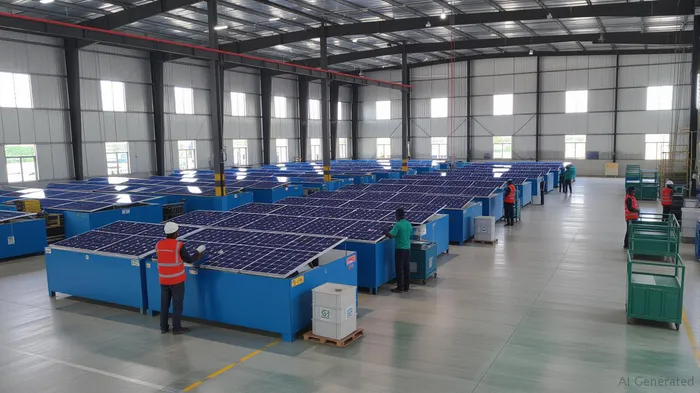 highlights the scale of required investment.
 Construction and Demolition (C&D) Waste:
By 2028–29, all C&D projects over 20,000 sq.m must recycle 100% of waste, with recycled materials reused in construction. This pressures companies like LafargeHolcim and ACC Limited to adopt sustainable practices. Recycling-focused firms such as Ramky Enviro Engineers or emerging startups in waste-to-resource tech could benefit from rising demand.
Compliance Costs and Strategic Shifts
MNCs must navigate three core risks:
- Higher Operational Costs: EPR certificate purchases, recycling infrastructure, and penalties for non-compliance add to capital expenditures.
- Supply Chain Vulnerabilities: Reliance on informal recyclers—a common practice—risks legal action, as seen in Delhi's recent crackdowns.
- Reputation Risks: Non-compliance could damage brand equity in an era where ESG (Environmental, Social, Governance) performance drives consumer and investor trust.
Investors should prioritize companies with:
- ESG-Compliant Supply Chains: Firms like TeslaTSLA-- or UnileverUL--, which emphasize transparency and sustainability, may outperform peers.
- Strong Local Partnerships: Collaborations with registered recyclers or Indian recyclers like E-Parisaraa could reduce compliance risks.
Investment Opportunities in the Circular Economy
The regulations create openings in three areas:
Recycling Infrastructure:
The need for formalized recycling networks favors companies offering waste management solutions. For example, could reveal emerging investment opportunities.Solar and Electronics Recycling Tech:
Innovators in solar panel disassembly or battery recycling (e.g., Redwood Materials) may secure contracts with MNCs seeking to meet EPR targets.Construction Materials:
Firms producing recycled aggregates or eco-friendly construction materials could see demand surge as C&D recycling mandates tighten.
Conclusion: A Balancing Act for Investors
India's e-waste reforms are a double-edged sword: they elevate regulatory risks for MNCs but also unlock sustainable growth avenues. Investors should favor companies that proactively address compliance, invest in circular technologies, and align with India's regulatory framework. Sectors like solar recycling, C&D waste management, and EPR-certified recyclers are poised for expansion. Conversely, laggards in ESG compliance may face declining margins and reputational damage. As India's circular economy takes shape, the winners will be those who turn regulatory demands into competitive advantages.
This data will be critical in assessing where capital can yield both financial and environmental returns in the years ahead.





Comentarios
Aún no hay comentarios