
Navigating Geopolitical Crosscurrents: How Energy Plays Can Capitalize on Middle East Tensions
The U.S.-Iran conflict has thrust global energy markets into a high-stakes game of geopolitical chess, with oil prices perched at precarious levels and investors scrambling to parse the risks and opportunities. As tensions escalate, the energy sector is emerging as a battleground for both speculative gains and defensive hedging. Here's how to navigate the volatility—and why now might be the moment to rethink your portfolio.
The Geopolitical Tightrope: Oil Prices and the Strait of Hormuz
The immediate impact of U.S.-Iran hostilities is clear: Brent crude has surged over 10% since mid-June, reaching $77 per barrel by late June 2025. Analysts warn that prices could spike further—potentially breaching $130/barrel—if Iran blocks the Strait of Hormuz, a chokepoint for 20% of global oil supply.
This volatility isn't just theoretical. Iran's threats to retaliate against Gulf infrastructure or attack shipping lanes have already rattled markets. A partial disruption could add $20/barrel to prices, while a full closure—a “nightmare scenario”—would trigger a crisis reminiscent of the 1970. The stakes are existential for energy-dependent economies, but for investors, they present a paradox: short-term risks, long-term rewards.
Valuation Gaps in Energy Equities: A Pullback Creates Entry Points
Despite the oil price surge, energy equities remain undervalued relative to their earnings potential. The S&P 500 Energy sector's year-to-date return dipped to 3.92% by mid-2025, lagging the broader market's gains. This pullback creates opportunities in:
- Upstream Producers: Firms like Chevron (CVX) and ExxonMobil (XOM) benefit directly from rising oil prices. Both trade at P/E ratios below 16, significantly cheaper than the S&P 500's 21.7. Their dividends—4.1% and 4.7%, respectively—add a defensive cushion.
- Oil Services: Companies such as Schlumberger (SLB) and Baker Hughes (BKR) are poised to capitalize on Middle East infrastructure spending. Their valuations lag growth potential, with SLB trading at a P/E of 11 despite its 10%+ dividend yield.
The Defensive Edge: Utilities and Renewables as Geopolitical Hedges
While oil prices dominate headlines, sectors insulated from demand shocks but exposed to pricing power offer asymmetric upside.
Utilities: Stable Cash Flows, Inflation Protection
Utilities like NextEra Energy (NEE) and Dominion Energy (D) are 3.8% dividend yield champions with low beta exposure to market swings. Their grid modernization projects and renewable investments align with energy security mandates.
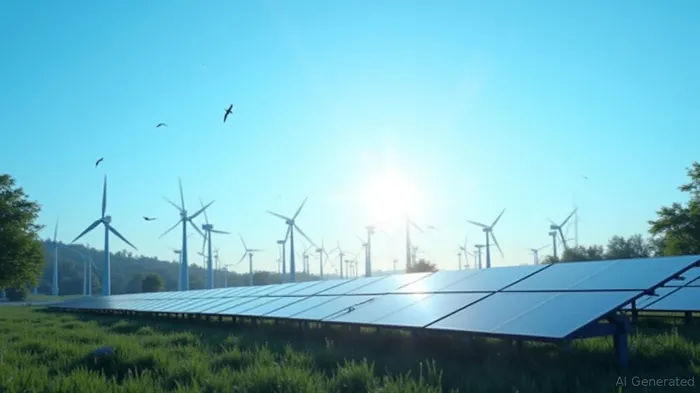
Renewables: Policy-Driven Growth and Carbon Credits
The Inflation Reduction Act has turbocharged renewables, with solar and wind developers like First Solar (FSLR) and Pattern Energy (PEGI) positioned to benefit from $36 billion in federal incentives. Meanwhile, carbon offset revenue streams from projects like carbon capture and storage add new income layers.
Infrastructure: The Safe Haven Few Are Talking About
Infrastructure ETFs like the S&P 500 Utilities Select Sector SPDR Fund (XLU) offer 3.8% yields and inflation-linkage. Historically, utilities outperformed during oil crises, rising 12% annually during the 1970s disruptions—a trend mirroring today's geopolitical climate.
Risks and Strategic Allocation: When to Lean In, When to Hold Back
The path forward isn't without pitfalls. A full Strait closure could trigger a $130/barrel spike, but even partial disruptions risk global inflation surging to 6% by year-end, squeezing equities. Investors must balance aggression with caution:
- Overweight: Energy equities (e.g., XLE ETF) and utilities (e.g., XLU) during dips.
- Underweight: Rate-sensitive sectors like tech and real estate until disinflation trends solidify.
- Hedge with: Gold (via GLD) and regional ETFs like EWY (South Korea) for geopolitical neutrality.
Final Take: Position for Volatility, but Stay the Course
The U.S.-Iran conflict is a reminder that energy markets are never static. While the $130/barrel scenario is a tail risk, the $70–$80 range is a more probable baseline for 2025. Investors should prioritize dividend-yielding energy stocks and utilities as core holdings, while using dips in oil prices as buying opportunities.
The energy sector's valuation gaps post-pullback and the defensive moats of renewables and infrastructure sectors make this a rare moment to build exposure to energy security plays. But remember: in geopolitical storms, patience—and diversification—are your best anchors.
Data as of June 19, 2025. Past performance does not guarantee future results. Always conduct thorough research or consult a financial advisor before making investment decisions.





Comentarios
Aún no hay comentarios