
Navigating G7 Trade Compromises: How Logistics and Tech Leaders Are Capitalizing on a Post-Fragmentation World
The G7's recent compromises on trade barriers and supply chain dynamics have reshaped the global economic landscape. While geopolitical tensions and evolving regulations have introduced complexity, they have also created a rare opportunity for investors to capitalize on the demand for logistics efficiency and tech-driven supply chain solutions. Companies positioned to navigate this new order—whether through AI-powered compliance tools or European logistics infrastructure—are poised to thrive. Here's why this is a buy signal for investors.
The G7's Trade Compromises: A Catalyst for Sector-Specific Growth
The G7's 2025 agreements, particularly the Pandemic Accord and sanctions frameworks, have prioritized geopolitical stability and ESG compliance, but at a cost. While developed nations like the EU and U.S. have secured terms to maintain control over critical technologies, the resulting fragmentation of supply chains has amplified demand for logistics agility and real-time data systems. This is where the opportunity lies.
1. Logistics: Europe's Infrastructure Advantage
The G7's emphasis on diversifying supply chains has accelerated demand for regional logistics hubs. European firms, already at the forefront of cross-border trade, are now critical to reducing reliance on distant suppliers.
- Why Invest in European Logistics?
- Strategic Geography: Europe's central location and dense rail/road networks make it a natural hub for re-shored manufacturing.
- ESG Compliance: EU-based firms like KION Group (KLG.DE) and DP World's European assets (DPW.L) are upgrading warehouses and ports to meet stringent carbon border taxes (CBAM).
- Data from the Frontline: .
Example: KION's investments in AI-powered warehouse automation have boosted efficiency by 30%, aligning with G7's push for resilient supply chains.
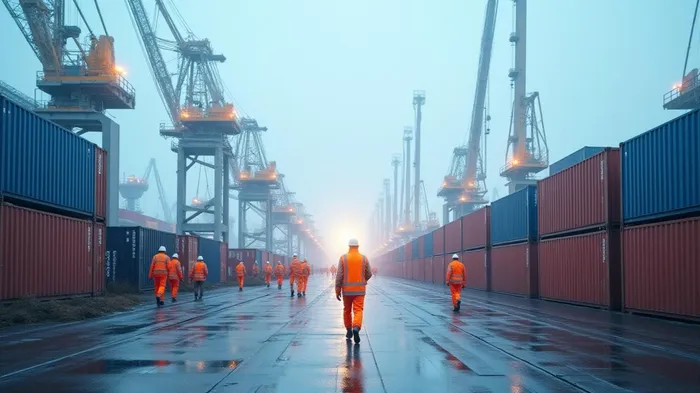
2. Technology: AI and Blockchain as the New Trade Currency
The G7's regulatory maze—from sanctions screening to ESG mandates—has made real-time compliance a must-have. Firms offering AI-driven supply chain management and blockchain transparency are now indispensable.
- Key Plays in Tech Solutions:
- Descartes Systems (DSX.TO): Its AI tools automate denied-party screening and tariff compliance, reducing risks for global shippers.
- SAP (SAP): The company's supply chain software (e.g., SAP Supply Chain Control Tower) integrates ESG metrics, helping clients meet CBAM thresholds.
- Data Edge: .
Why Now? Over 60% of Fortune 500 companies are accelerating AI adoption for compliance, per a 2025 Gartner survey.
The Risks—and Why They're Overblown
Critics argue that G7 compromises have entrenched protectionism. But this misses the bigger picture: fragmentation breeds specialization. Firms that master compliance and localization will dominate their niches. Even the Pandemic Agreement's “as mutually agreed” clauses favor companies with the agility to negotiate deals across borders.
Action for Investors: Buy the Leaders, Ignore the Noise
- Logistics: Prioritize European firms with green assets (e.g., KION, CEVA Logistics (CEVA)).
- Tech: Focus on AI platforms with compliance expertise (Descartes, IBM's supply chain division (IBM)).
- Avoid: Traditional shipping giants reliant on trans-Pacific routes—G7 fragmentation has left them stranded.
The G7's compromises have created a winner-takes-all market for logistics and tech innovators. Investors who act now can secure positions in industries where regulatory complexity is a growth driver, not a headwind.
Act fast—this window won't stay open forever.





Comentarios
Aún no hay comentarios