
Navigating Fiscal Uncertainty: Treasury Yields and TIPS in the Trump Bill Era
The U.S. fiscal landscape is once again a battleground. President Trump’s “One Big Beautiful Bill Act” has ignited a firestorm of debate, with its mix of tax cuts, entitlement reforms, and immigration policies threatening to reshape the economy—and by extension, the markets. For investors, the stakes are clear: the bill’s passage, delay, or amendment will send seismic waves through Treasury yields and inflation-linked securities. Here’s how to parse the risks and opportunities.
The Debt Overhang: Why Treasury Yields Are on Edge
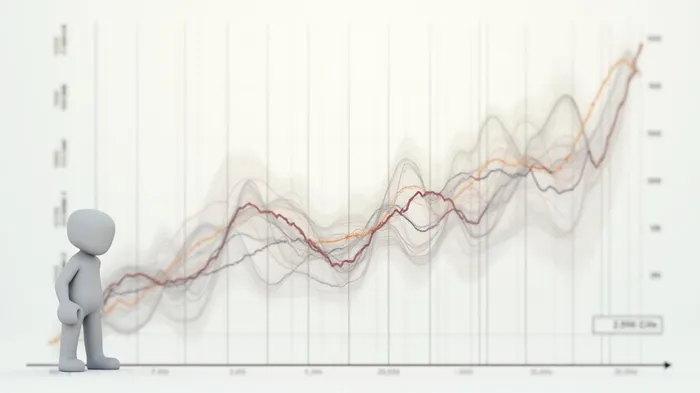
The bill’s most immediate impact lies in its fiscal recklessness. By adding $3–$5 trillion to a national debt already exceeding $36 trillion, it risks further eroding investor confidence. Moody’s downgrade of U.S. creditworthiness—a first since 2011—has already sent shockwaves. A shows a sharp upward trajectory, with yields spiking to 4.5% in May 2025. This reflects markets pricing in higher inflation, diminished fiscal credibility, and the looming specter of mandatory Medicare cuts (up to $490 billion) if deficits spiral out of control.
For Treasury investors, the calculus is brutal. Rising yields mean falling bond prices. Yet the bill’s uncertain path—stalled in the Senate, facing midnight House votes—adds another layer of volatility. A delay could temporarily stabilize yields, but passage would likely push them higher still. The question is: Is the market pricing in the worst-case scenario, or is there room to run?
Inflation-Linked Securities: A Double-Edged Sword
Inflation-protected securities (TIPS) are now the canary in the coal mine. The bill’s tax cuts—particularly the exemptions for tips, overtime pay, and auto loans—could supercharge consumer spending, while energy policies favoring fossil fuels might pressure energy prices. Meanwhile, the $46.5 billion border wall funding and stricter immigration rules could tighten labor markets, adding wage inflation risks.
But the flip side is equally potent. Medicaid cuts and work requirements for SNAP benefits could suppress demand from vulnerable households, muting inflation. A reveals that breakeven rates have stagnated near 2.5%, suggesting markets are skeptical about sustained price pressures.
Investors must ask: Are TIPS underpriced for a scenario where fiscal stimulus and energy policies ignite inflation, or overpriced if entitlement cuts and labor shortages offset those risks?
The Political Wildcard: Timing and Volatility
The bill’s procedural hurdles—17–16 in the House Budget Committee, Senate delays—mean uncertainty could persist until October’s fiscal deadline. A government shutdown looms if the bill fails to pass, which would amplify Treasury yield volatility.
Meanwhile, the CBO’s warning about Medicare cuts and reduced Social Security revenue adds another layer of complexity. If the bill’s deficit forecasts trigger automatic spending reductions, it could create a “double whammy” for bond markets: higher yields due to debt issuance and weaker growth due to austerity.
Positioning for the Fallout
The path forward is clear for strategic investors:
1. Short-Duration Treasuries: Avoid long-dated bonds to mitigate duration risk as yields climb.
2. Underweight TIPS: Until inflation expectations stabilize, favor nominal Treasuries over TIPS to avoid the drag of breakeven rates.
3. Monitor the Senate: A delay or amendment softening the bill’s fiscal math could create a buying opportunity in Treasuries.
4. Watch the Yield Curve: A steepening curve (higher 10-year yields vs. 2-year) signals market bets on persistent inflation—a TIPS buying signal.
Conclusion: Act Before the Clock Runs Out
The “One Big Beautiful Bill Act” is a fiscal time bomb. Its passage would ignite a self-reinforcing cycle of higher debt, higher yields, and weaker credit ratings. Even a delay risks volatility as investors second-guess the Fed’s next move.
For now, the safest trades are those that acknowledge the fragility of this fiscal experiment. Move quickly—because when the bill’s fate is decided, the markets will move faster.
This analysis is based on the assumption of the bill’s passage by October 2025. Adjustments may be needed if the legislation is significantly amended or delayed.







Comentarios
Aún no hay comentarios