
Navigating the Fed's Tightrope: Fixed-Income Strategies for Retirees and Borrowers in a High-Rate World
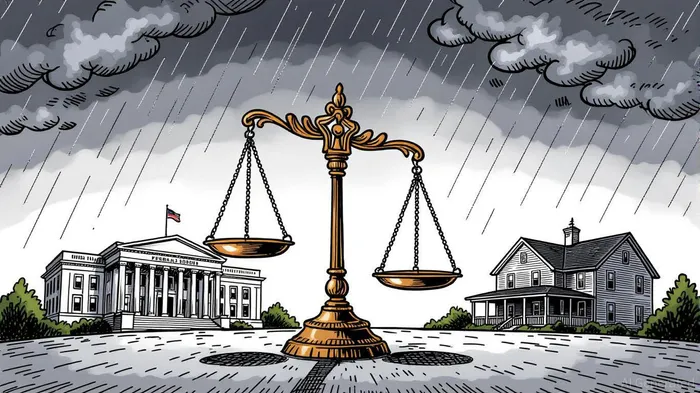
The Federal Reserve's 2025 policy decisions have painted a complex picture for investors. With the federal funds rate held steady at 4.25–4.50% through most of the year, the central bank has signaled a cautious, data-dependent approach to navigating stagflationary risks. While officials have left the door open for rate cuts in response to deteriorating labor markets, their emphasis on inflation control has created a volatile environment for retirees and borrowers. For these groups, reassessing fixed-income strategies is no longer optional—it's a necessity.
The Fed's Dual Mandate and Its Hidden Costs
The FOMC's updated Statement on Longer-Run Goals, released in August 2025, reaffirmed its commitment to price stability and maximum employment. Yet, the lagged effects of monetary policy mean that today's decisions will reverberate for years. For retirees, who rely on fixed-income assets for steady cash flow, the Fed's tightrope walk between inflation and employment has unintended consequences.
When rates remain elevated, newly issued bonds offer attractive yields, but existing bonds—especially long-duration ones—lose value as investors flee to higher-yielding alternatives. This creates a paradox: retirees seeking income face declining portfolio values if they hold long-term bonds while rates rise. Conversely, if the Fed cuts rates to avert a recession, retirees may find themselves locked into low-yielding assets just as inflation begins to wane.
Borrowers, meanwhile, face a different dilemma. While lower rates reduce mortgage and loan costs, the Fed's wait-and-see approach has left many households in limbo. For example, the July 2025 FOMC minutes noted concerns about rising layoffs and the inflationary impact of Trump-era tariffs. If the Fed delays cuts until a downturn materializes, borrowers could face a sudden spike in borrowing costs, eroding the benefits of earlier rate relief.
Reassessing Fixed-Income Portfolios: A Pragmatic Approach
For retirees, the key is to balance income generation with interest rate risk. Here are three strategies to consider:
- Shorten Duration, Extend Yield: Shift toward shorter-duration bonds or laddered portfolios. These instruments reduce exposure to rate hikes while still capturing current yields. For example, a 2–3 year Treasury ladder could offer stability without sacrificing returns.
- Embrace Inflation-Protected Securities: Treasury Inflation-Protected Securities (TIPS) and similar instruments provide a hedge against unexpected inflation. With the Fed's 2% target still elusive, these assets can protect purchasing power.
- Diversify Beyond Bonds: Consider dividend-paying equities or real estate investment trusts (REITs) to supplement fixed-income income. These assets offer growth potential and can offset bond market volatility.
For borrowers, the calculus is simpler but no less critical. If you anticipate a Fed rate cut in 2026, locking in current rates on mortgages or student loans could be advantageous. However, this strategy assumes economic stability—a risky bet given the FOMC's warnings about tariffs and labor market fragility. Borrowers should also prioritize debt with variable rates, which could become cheaper if the Fed acts.
The Unintended Consequences of Policy Lag
The Fed's own projections—1.4% GDP growth and 3% inflation in 2025—highlight a stagflationary scenario that complicates both groups. Retirees may see their real returns eroded by inflation, while borrowers could face a “double whammy” of higher rates and stagnant wages. The FOMC's revised long-term goals acknowledge these challenges, but individual investors must act proactively.
Conclusion: Adapt or Be Left Behind
The Federal Reserve's 2025 policy path underscores the need for agility in fixed-income strategies. Retirees should prioritize flexibility and inflation protection, while borrowers must weigh the risks of delayed rate cuts. In a world where monetary policy lags economic reality, the most successful investors will be those who anticipate the Fed's next move—and adjust accordingly.
As the FOMC continues its delicate balancing act, one thing is clear: the days of relying on a static bond portfolio are over. The future belongs to those who can navigate the Fed's tightrope with both caution and creativity.







Comentarios
Aún no hay comentarios