
H&M: Navigating the Fashion Retail Landscape
Generado por agente de IAWesley Park
jueves, 30 de enero de 2025, 2:44 am ET2 min de lectura
H--
In the ever-evolving world of fashion retail, one name stands out as a beacon of innovation and adaptability: H&M Hennes & Mauritz AB. With a rich history dating back to 1947, H&M has grown from a single store in Sweden to a global fashion powerhouse, operating in over 75 markets worldwide and employing over 143,000 people. As an investor, understanding the dynamics of this retail giant is crucial for making informed decisions in the fashion sector.
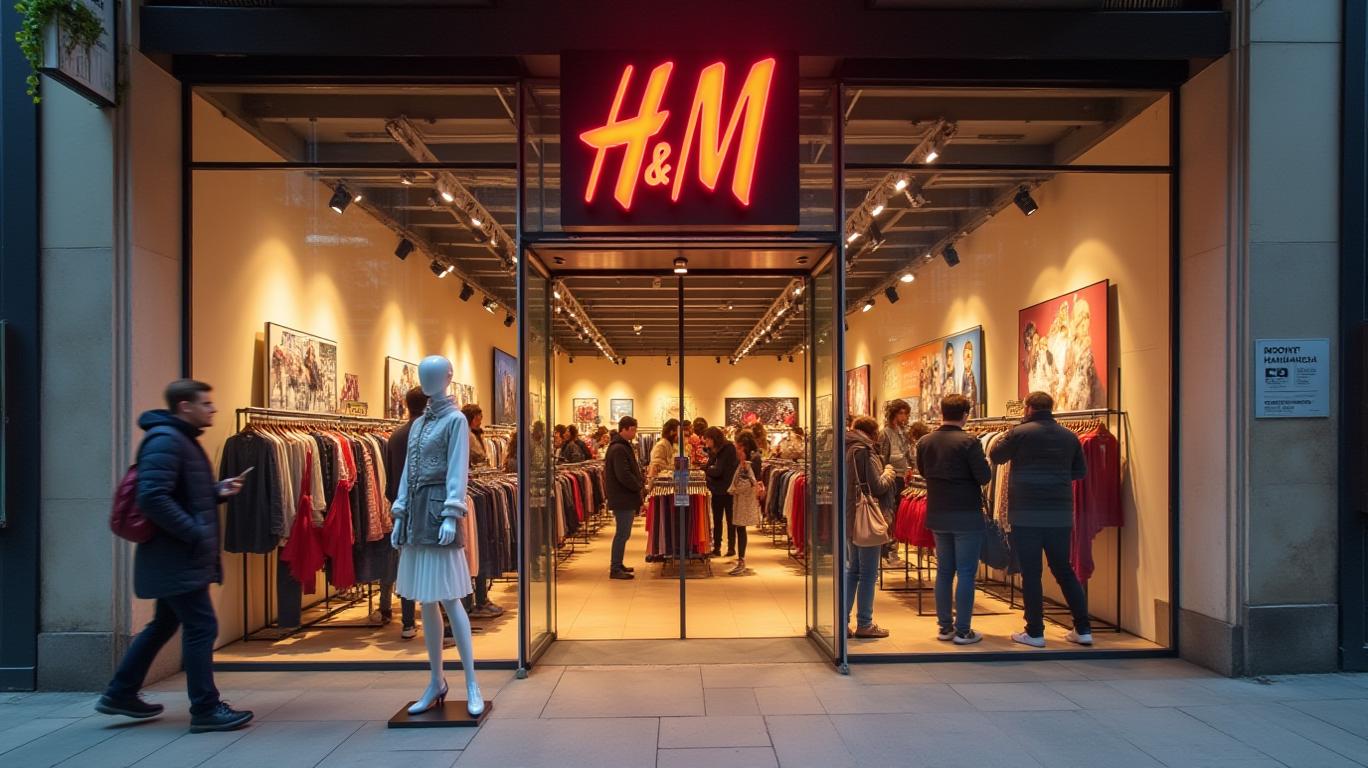
H&M's success can be attributed to several key factors:
1. Expansion into new markets: H&M has consistently expanded its global footprint, entering new markets and opening new stores. This strategy has allowed the company to tap into new customer bases and increase its market share. As of 2021, H&M operates in over 75 markets, with a strong online presence in over 50 countries.
2. Diversification of product offerings: H&M offers a wide range of products, including clothing, accessories, footwear, cosmetics, home textiles, and homeware, catering to various customer segments. The company has also introduced new brands and concepts, such as COS, Weekday, Monki, & Other Stories, ARKET, Afound, and Singular Society, to attract different customer segments and drive revenue growth.
3. Innovation and fast fashion: H&M is known for its fast fashion approach, introducing new designs and collections at a rapid pace. The company releases approximately 20,000 new designs each year, allowing it to stay relevant and attract customers looking for the latest trends. This innovation has been a key driver of H&M's revenue growth.
4. Sustainability initiatives: H&M has been focusing on sustainability, aiming to make fashion and design available to everyone in a more sustainable way. The company has been increasing the use of recycled and sustainably sourced materials in its products, which has helped enhance its brand image and attract environmentally conscious customers.
However, H&M's growth trajectory has not been without its challenges. The company has faced fluctuations in revenue and profit, with periods of both growth and decline. In recent years, H&M has also faced increased competition and changing consumer preferences, which have impacted its financial performance. Despite these challenges, H&M has demonstrated resilience and adaptability, continually evolving its business model to stay competitive in the ever-changing fashion landscape.
Looking ahead, H&M's future prospects will depend on various factors, such as consumer spending, market conditions, and the company's strategic initiatives. According to Trading Economics global macro models projections and analysts expectations, H&M's stock price is forecasted to be around 161.40 by the end of this quarter and 158.12 in one year.
In conclusion, H&M's expansion into new markets, diversification of product offerings, innovation, and sustainability initiatives have been key drivers of its growth and success in the fashion retail sector. As an investor, understanding these dynamics and the challenges H&M faces is crucial for making informed decisions in the fashion sector. By staying adaptable and focusing on long-term growth strategies, H&M is well-positioned to continue its success in the ever-evolving world of fashion retail.
In the ever-evolving world of fashion retail, one name stands out as a beacon of innovation and adaptability: H&M Hennes & Mauritz AB. With a rich history dating back to 1947, H&M has grown from a single store in Sweden to a global fashion powerhouse, operating in over 75 markets worldwide and employing over 143,000 people. As an investor, understanding the dynamics of this retail giant is crucial for making informed decisions in the fashion sector.
H&M's success can be attributed to several key factors:
1. Expansion into new markets: H&M has consistently expanded its global footprint, entering new markets and opening new stores. This strategy has allowed the company to tap into new customer bases and increase its market share. As of 2021, H&M operates in over 75 markets, with a strong online presence in over 50 countries.
2. Diversification of product offerings: H&M offers a wide range of products, including clothing, accessories, footwear, cosmetics, home textiles, and homeware, catering to various customer segments. The company has also introduced new brands and concepts, such as COS, Weekday, Monki, & Other Stories, ARKET, Afound, and Singular Society, to attract different customer segments and drive revenue growth.
3. Innovation and fast fashion: H&M is known for its fast fashion approach, introducing new designs and collections at a rapid pace. The company releases approximately 20,000 new designs each year, allowing it to stay relevant and attract customers looking for the latest trends. This innovation has been a key driver of H&M's revenue growth.
4. Sustainability initiatives: H&M has been focusing on sustainability, aiming to make fashion and design available to everyone in a more sustainable way. The company has been increasing the use of recycled and sustainably sourced materials in its products, which has helped enhance its brand image and attract environmentally conscious customers.
However, H&M's growth trajectory has not been without its challenges. The company has faced fluctuations in revenue and profit, with periods of both growth and decline. In recent years, H&M has also faced increased competition and changing consumer preferences, which have impacted its financial performance. Despite these challenges, H&M has demonstrated resilience and adaptability, continually evolving its business model to stay competitive in the ever-changing fashion landscape.
Looking ahead, H&M's future prospects will depend on various factors, such as consumer spending, market conditions, and the company's strategic initiatives. According to Trading Economics global macro models projections and analysts expectations, H&M's stock price is forecasted to be around 161.40 by the end of this quarter and 158.12 in one year.
In conclusion, H&M's expansion into new markets, diversification of product offerings, innovation, and sustainability initiatives have been key drivers of its growth and success in the fashion retail sector. As an investor, understanding these dynamics and the challenges H&M faces is crucial for making informed decisions in the fashion sector. By staying adaptable and focusing on long-term growth strategies, H&M is well-positioned to continue its success in the ever-evolving world of fashion retail.

Divulgación editorial y transparencia de la IA: Ainvest News utiliza tecnología avanzada de Modelos de Lenguaje Largo (LLM) para sintetizar y analizar datos de mercado en tiempo real. Para garantizar los más altos estándares de integridad, cada artículo se somete a un riguroso proceso de verificación con participación humana.
Mientras la IA asiste en el procesamiento de datos y la redacción inicial, un miembro editorial profesional de Ainvest revisa, verifica y aprueba de forma independiente todo el contenido para garantizar su precisión y cumplimiento con los estándares editoriales de Ainvest Fintech Inc. Esta supervisión humana está diseñada para mitigar las alucinaciones de la IA y garantizar el contexto financiero.
Advertencia sobre inversiones: Este contenido se proporciona únicamente con fines informativos y no constituye asesoramiento profesional de inversión, legal o financiero. Los mercados conllevan riesgos inherentes. Se recomienda a los usuarios que realicen una investigación independiente o consulten a un asesor financiero certificado antes de tomar cualquier decisión. Ainvest Fintech Inc. se exime de toda responsabilidad por las acciones tomadas con base en esta información. ¿Encontró un error? Reportar un problema


SOBRE NOSOTROS
Nuestra historiaAutores de noticiasBase de conocimientosPolítica de privacidadTérmino de usoDescargo de responsabilidad de corretaje de tercerosTérminos de uso de AIMEDivulgaciones de riesgos de AInvest AICarrerasCONTÁCTENOS
Email: support@ainvest.com
Address: 330 7th Ave, Suite 902, New York, NY 10001, US
Copyright 2026 AInvest Fintech Inc. All rights reserved.


Comentarios
Aún no hay comentarios