
Navigating the Evolving Threat of DeFi Rug Pulls: A Retail Investor's Guide to Risk Mitigation in 2025
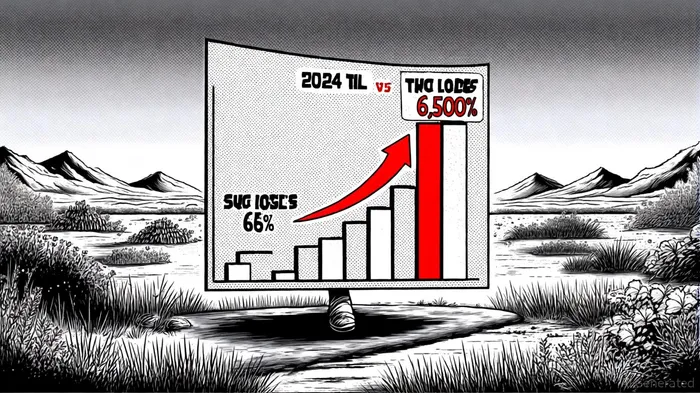
The decentralized finance (DeFi) landscape in 2025 has witnessed a paradoxical evolution in rug pulls: while the number of incidents has declined by 66% compared to 2024, the financial toll has skyrocketed. According to a report by DappRadar, rug pull losses in 2025 surged to $6 billion, with the collapse of the MantraOM-- Network's OMOM-- token accounting for 92% of these losses[3]. This shift underscores a troubling trend—scammers are prioritizing scale over frequency, targeting projects with high liquidity and leveraging hype to maximize damage.
The 2025 Rug Pull Playbook: Sophistication and Deception
Modern rug pulls in 2025 are no longer the work of amateur developers exploiting basic smart contract vulnerabilities. Instead, attackers employ advanced tactics to mask their intentions. For instance, 71% of rug pulls now occur on Binance Smart Chain (BSC), where low listing costs and lax vetting create fertile ground for fraud[1]. Flash loan attacks, which artificially inflate token prices before a dump, have become a common prelude to rug pulls, with 18% of incidents in 2025 involving this technique[1].
The rise of AI-generated whitepapers and fake audits further complicates detection. A staggering 27% of rug pulls in 2025 used AI to fabricate technical documentation, misleading investors into believing projects had legitimate foundations[1]. Meanwhile, memecoins—once dismissed as trivial—now dominate rug pull activity. The Solana-based Libra (LIBRA) token, promoted by Argentina's president, briefly hit a $4.56 billion market cap before collapsing by 94%, exemplifying how celebrity endorsements can weaponize retail FOMO[3].
Mitigating Risk: Tools and Strategies for 2025
Retail investors must adopt a multi-layered approach to combat these evolving threats. Below are key strategies, supported by 2025 data and tools:
1. Leverage AI-Powered Detection Systems
RugGuardian AI, a tool utilizing large language models (LLMs), has emerged as a critical defense. It analyzes on-chain activity, developer reputations, and smart contract code in real time, flagging anomalies such as sudden liquidity withdrawals or suspicious tokenomics[3]. Academic research has also expanded the rug pull taxonomy to 35 distinct types, with tools like Tokeer achieving 98.6% detection accuracy by modeling token transfer behavior[3].
2. Demand Smart Contract Transparency
Projects lacking verified smart contracts or liquidity locks should be avoided. Platforms like Team Finance and Unicrypt offer liquidity locking services, which bind liquidity provider (LP) tokens in time-locked smart contracts, preventing developers from draining funds[2]. OpenZeppelin's TimelockController further enhances security by delaying high-impact actions, giving communities time to react to potential threats[2].
3. Scrutinize Project Fundamentals
Red flags persist: 92% of rug pulls in 2025 were orchestrated by anonymous teams, and 31% falsely claimed real-world utility or metaverse integrations[1]. Investors should verify team identities, audit reports, and GitHub activity. For BSC projects, use blockchain explorers to check if liquidity is locked and for how long[3].
4. Adopt Multi-Signature Wallets
Multi-signature wallets, such as GnosisGNO-- Safe, require multiple private keys to authorize transactions, reducing the risk of unilateral fund withdrawals[2]. This is particularly vital for holding tokens in high-risk projects.
5. Diversify and Stay Vigilant
Diversification remains a cornerstone of risk management. Avoid overexposure to unproven tokens, especially those hyped on social media. Monitor projects for unusual updates, liquidity shifts, or sudden spikes in trading volume without corresponding user activity[3].
Conclusion: A Call for Vigilance in a Shifting Landscape
The 2025 rug pull crisis highlights the need for both technological innovation and investor education. While tools like RugGuardian AI and liquidity locks offer hope, they are not foolproof. Retail investors must remain skeptical of get-rich-quick schemes and prioritize due diligence. As the DeFi ecosystem matures, so too must its defenses—only through collective vigilance can the industry reclaim trust and foster sustainable growth.






Comentarios
Aún no hay comentarios