
Navigating Cultural Divides: Anheuser-Busch InBev's Brand Strategy in a Fractured Market
In the shadow of the Bud Light controversy, Anheuser-Busch InBevBUD-- (AB InBev) has become a case study in the risks and rewards of inclusive marketing in an era of cultural polarization. The fallout from the 2023 Dylan Mulvaney campaign—where a sponsored Instagram post featuring a transgender influencer sparked a national boycott—offers critical lessons for investors assessing the long-term viability of legacy consumer brands. As AB InBev grapples with a 30% drop in Bud Light's U.S. sales and a generational shift in consumer preferences, the company's strategic pivot toward traditional themes and non-alcoholic offerings raises urgent questions about brand resilience, market fragmentation, and the financial cost of navigating social issues.
The Backlash and Its Aftermath
The Dylan Mulvaney controversy exposed a stark disconnect between AB InBev's public commitments to inclusivity and its perceived actions. While the company had long championed LGBTQ+ causes—funding Pride events and advertising campaigns—the Mulvaney post alienated core demographics, particularly older and conservative consumers. By November 2024, Bud Light's market share had fallen to third place in U.S. retail sales (6.5%), behind Michelob Ultra (7.3%) and Modelo Especial (9.7%). .
The financial toll was severe. AB InBev's U.S. revenue declined 9.1% in Q1 2024, with Bud Light losing an estimated $1.4 billion in sales. The brand's net favorability dropped 36%, and future consumption intent plummeted 39% across all demographics. Yet the company's response—shifting to football, military, and family-oriented campaigns under CEO Michael Doukeris—highlights a broader trend: legacy brands are increasingly retreating from divisive social issues to avoid further erosion of trust.
Generational Shifts and Strategic Rebalancing
The controversy also underscored a generational divide in consumer behavior. While Bud Light retained 40% popularity among Gen Z (per Statista), it lost 30% of Baby Boomer support. This reflects a broader shift toward health-conscious and premium products, as seen in Michelob Ultra's rise. .
AB InBev's 2025 financials reveal a strategic recalibration. Despite a 1.9% global volume decline, revenue grew 3.0% in Q2 2025, driven by premiumization and digital initiatives. The no-alcohol beer portfolio surged 33% in revenue, led by Corona Cero's double-digit volume growth. Meanwhile, the BEES Marketplace captured $785 million in GMV, a 63% year-over-year jump. 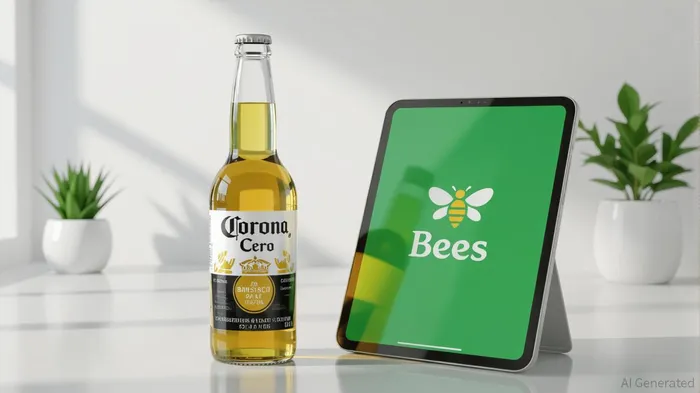 . These moves suggest AB InBev is hedging against cultural polarization by expanding into less controversial, high-growth categories.
Long-Term Risks and Opportunities
For investors, AB InBev's experience underscores two key risks: brand overreach and generational misalignment. Overreaching on social issues can alienate core customers, while failing to adapt to younger, health-focused demographics risks long-term irrelevance. However, the company's pivot to non-alcoholic and low-carb products, coupled with its $2 billion stock buyback program, signals a pragmatic approach to mitigating these risks.
The broader market is also shifting. Non-alcoholic beer revenue grew 33% in Q2 2025, outpacing the overall beer category. . AB InBev's investment in brands like Nutrl and Michelob Ultra Zero positions it to capitalize on this trend, which is driven by health-conscious millennials and Gen Z.
Investment Implications
AB InBev's 2025 outlook is cautiously optimistic. EBITDA is projected to grow 4–8%, supported by margin expansion and cost discipline. However, investors must weigh the company's reliance on U.S. markets—where Bud Light's recovery remains uncertain—against its strong performance in Europe and Mexico. The key question is whether AB InBev can rebuild trust among older consumers while appealing to younger demographics.
For now, the stock appears undervalued relative to its peers. With a P/E ratio of 18.5x and a 3.27x net debt-to-EBITDA ratio, AB InBev offers a compelling risk-rebalance profile. However, success hinges on its ability to execute a non-political, heritage-driven rebranding of Bud Light and maintain momentum in the non-alcoholic segment.
Conclusion
The Bud Light controversy is a cautionary tale for legacy brands navigating a fragmented cultural landscape. AB InBev's response—prioritizing broad-appeal themes and diversifying into non-alcoholic products—demonstrates both the challenges and opportunities of adapting to polarized markets. For investors, the company's resilience in 2025 suggests a path to recovery, but long-term success will depend on its capacity to align brand values with an evolving consumer base. As the beer industry shifts toward health, sustainability, and digital engagement, AB InBev's strategic agility will be its greatest asset—and its greatest test.





Comentarios
Aún no hay comentarios