
Navigating the Crossroads of Opportunity and Risk: A Strategic Analysis of Cytokinetics, Inc. Amid Securities Litigation
The biopharmaceutical sector is no stranger to high-stakes regulatory and legal dynamics, but CytokineticsCYTK--, Inc. (NASDAQ: CYTK) has become a focal point of controversy amid allegations of securities fraud. Recent developments, including a class action lawsuit and regulatory delays tied to its flagship drug candidate aficamten, present a complex landscape for investors. This analysis examines the interplay of legal risks, investor opportunities, and strategic considerations for stakeholders navigating this volatile scenario.
Legal Challenges: A Confluence of Regulatory and Securities Risks
Cytokinetics faces a mounting legal storm centered on its New Drug Application (NDA) for aficamten, a treatment for hypertrophic cardiomyopathy. According to a Robbins LLP notice and an InvestorsHangout report, the company is accused of misleading investors by failing to disclose the absence of a Risk Evaluation and Mitigation Strategy (REMS) in its NDA submission, despite prior discussions with the FDA about its necessity. This omission allegedly triggered a delay in the regulatory review process, pushing the PDUFA target action date from September 26, 2025, to December 26, 2025, according to the Robbins LLP notice.
The lawsuit, filed by multiple law firms including Levi & Korsinsky and the Portnoy Law Firm, alleges that Cytokinetics' executives misrepresented the likelihood of timely FDA approval, leading to inflated stock prices and investor losses, as described in an EdgarIndex analysis. Shareholders who purchased securities between December 27, 2023, and May 6, 2025, are now invited to join the litigation, with a lead plaintiff deadline of November 17, 2025. The case underscores broader compliance concerns at Cytokinetics, including recent SEC filings that reveal insider trading activity by CEO Robert Blum, who sold 5,000 shares at $55.05 per share in October 2025, as shown in a Form 4 filing. Such actions raise questions about management's alignment with shareholder interests during a period of heightened uncertainty.
Investor Opportunity: Balancing Recovery Potential and Downside Risk
For investors, the litigation presents a dual-edged scenario. On one hand, the class action lawsuits offer a potential avenue for recovering losses through judicial redress. As noted by Robbins LLP, the litigation seeks to hold Cytokinetics accountable for alleged misrepresentations, which could result in financial compensation for affected shareholders. On the other hand, the company's ongoing legal and regulatory challenges pose significant risks to its stock valuation and future financing capabilities. An EdgarIndex report notes that securities litigation often exacerbates liquidity constraints, particularly for smaller biotech firms reliant on capital markets.
The delayed PDUFA date further complicates the outlook. While aficamten's eventual approval could generate substantial revenue, the extended timeline increases the likelihood of competitive pressures and erodes investor confidence. Data from Cytokinetics' 8‑K filing in September 2025 highlights a new financial obligation, suggesting the company may face additional capital-raising hurdles, as noted by Robbins LLP. Investors must weigh these factors against the potential for a favorable legal outcome, which could stabilize the stock price and restore investor trust.
Legal Strategy: Proactive Participation and Risk Mitigation
For shareholders considering participation in the lawsuits, timing and evidence are critical. The November 17, 2025, deadline to serve as lead plaintiff creates a narrow window for investors to consolidate claims and maximize leverage in negotiations. Legal experts emphasize the importance of documenting trading activity and linking losses directly to the alleged misrepresentations. Additionally, investors should monitor the SEC's role in the matter, as regulatory scrutiny could amplify the company's compliance costs and deter future investment.
From a broader strategic perspective, the case highlights the need for robust corporate governance. Cytokinetics' failure to address REMS requirements in its NDA submission reflects systemic operational weaknesses. As noted by investor advocacy platforms, companies with repeated regulatory missteps often face prolonged market skepticism, even after resolving litigation (see the EdgarIndex analysis). This underscores the importance of diversification for investors exposed to high-risk biotech plays.
Conclusion: A Calculated Approach to Uncertainty
Cytokinetics' situation exemplifies the delicate balance between innovation and accountability in the biopharmaceutical sector. While the company's aficamten program holds transformative potential, the current legal and regulatory headwinds necessitate a cautious, informed approach. For investors, the path forward involves both participating in the securities litigation to seek redress and hedging against further downside risks through diversified portfolios. As the December 2025 PDUFA date looms, the outcome of these legal battles-and the FDA's final decision-will likely determine whether Cytokinetics emerges as a phoenix or a cautionary tale. 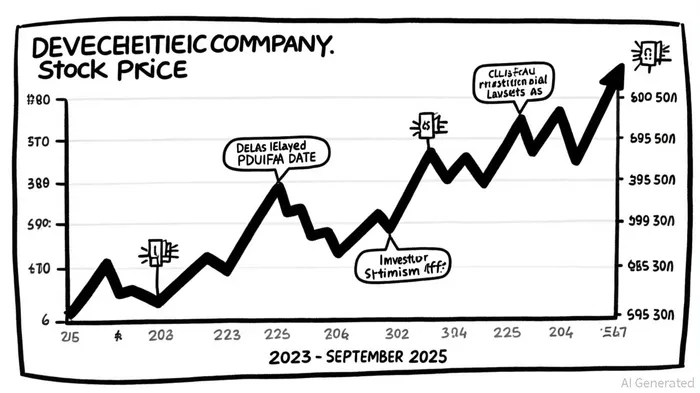





Comentarios
Aún no hay comentarios