
Navigating U.S.-Canada Trade Tensions: Sector Risks and Portfolio Adjustments
The escalating trade war between the U.S. and Canada, marked by tit-for-tat tariffs and suspended negotiations, has created significant sector-specific risks for investors. With key industries like technology, agriculture, and automotive facing supply chain disruptions and margin pressures, tactical portfolio adjustments are critical to mitigate losses and capitalize on emerging opportunities. This article dissects the implications for tech and tariff-sensitive sectors and offers actionable investment strategies.
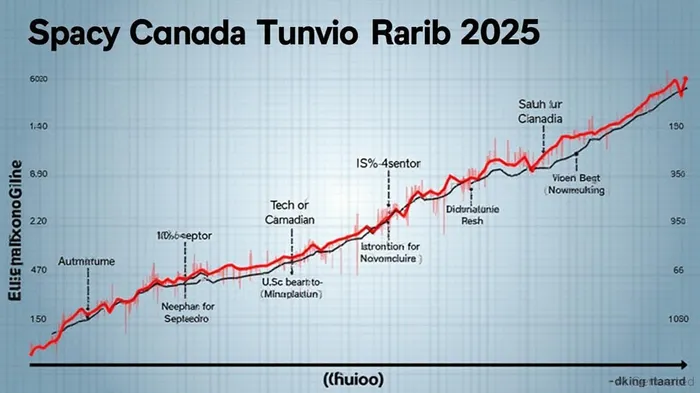
1. Tech Sector: Cross-Border Vulnerabilities
The tech sector is uniquely exposed due to its reliance on cross-border supply chains and intellectual property. Canadian firms like ShopifySHOP--, which depend on seamless U.S.-Canada trade for logistics and software development, face rising input costs. The 25% tariffs on non-USMCA-compliant goods could disrupt just-in-time manufacturing, forcing companies to seek costlier alternatives.
Investors should consider shorting Canadian tech equities, as margin pressures and delayed supply chain reconfigurations may weigh on earnings. Conversely, U.S. tech firms with tariff-exempt or domestically sourced supply chains (e.g., semiconductor manufacturers using U.S.-based foundries) could benefit from reduced competition.
2. Agriculture and Dairy: Retaliatory Tariffs' Impact
Canada's retaliatory tariffs on $29.8 billion of U.S. goods, including dairy, nuts, and agricultural machinery, threaten farmers in states like Wisconsin (dairy) and California (almonds). The 25% duty on orange juice and peanut butter directly hits processors like TreeHouse FoodsTHS-- and Blue Buffalo.
Investors should reduce exposure to agricultural commodity ETFs (e.g., TECL) and short companies reliant on Canadian markets. Instead, pivot to U.S. producers of tariff-exempt crops (e.g., corn, soybeans) or substitute goods for Canadian imports, such as U.S. steel as an alternative to taxed Canadian steel.
3. Automotive and Supply Chains: Cost Inflation and Disruptions
The 25% tariffs on Canadian automobiles and parts (effective April 2025) have already forced U.S. automakers like Ford and GM to reassess North American sourcing. Canadian auto exports to the U.S. fell 18% in Q2 2025, straining just-in-time production models.
Hedge against supply chain volatility by shorting logistics companies exposed to U.S.-Canada trade (e.g., FedEx's cross-border operations) and overweighting U.S. firms with diversified manufacturing bases or hedging mechanisms.
4. Legal Uncertainty: A Wild Card for Tariff Duration
While the U.S. tariffs remain in effect pending a July 31 court ruling, investors must factor in potential reversals. If the court lifts tariffs, Canadian tech stocks and automakers could rebound sharply. However, the risks of prolonged trade friction are high, given the Trump administration's “America First” stance.
Investment Recommendations
- Short Positions:
- Canadian tech equities (e.g., Shopify, CGI Group).
- U.S. agricultural firms exposed to Canadian markets (e.g., Dean Foods, TreeHouse Foods).
Cross-border logistics stocks (e.g., JB Hunt, C.H. Robinson).
Hedging:
- Use options to cap losses on supply chain-dependent stocks.
Allocate to inverse ETFs tracking Canadian equities (e.g., QCAN).
Long Opportunities:
- U.S. manufacturers of tariff-exempt goods (e.g., Boeing's defense contracts, Caterpillar's U.S.-sourced machinery).
- Renewable energy firms (e.g., First SolarFSLR--, Enphase Energy) as substitutes for Canadian energy imports.
- ETFs focused on U.S. domestic manufacturing (e.g., IYK).
Conclusion
The U.S.-Canada trade war is a zero-sum game with sector-specific winners and losers. Investors must avoid complacency: short Canadian tech, hedge supply chain risks, and pivot to U.S. industries insulated from tariffs. Monitor the July 31 court decision closely—it could trigger a sharp re-pricing of exposed sectors. In the near term, the playbook is clear: position for disruption, and bet on resilience.





Comentarios
Aún no hay comentarios