
Navigating the 2026 Housing Market: Strategic Positioning Amid Moderate Growth and Regional Fragmentation
The 2026 housing market presents a complex landscape shaped by moderate price growth, gradually easing mortgage rates, and stark regional divergences. For buyers, sellers, and renters, strategic positioning requires a nuanced understanding of these dynamics. While national trends suggest incremental progress, localized conditions-driven by inventory levels, migration patterns, and economic shifts-demand tailored approaches.
Buyers: Targeting Affordability and Inventory Gains
For prospective buyers, the interplay between mortgage rates and affordability remains critical. Although rates are projected to decline gradually, averaging 6% by 2026, they will remain elevated compared to historical norms. This creates a window of opportunity for buyers who can secure financing before rates stabilize. According to the National Association of Realtors (NAR), lower rates and rising inventory levels are expected to unlock 5.5 million additional qualified buyers nationwide, particularly among younger households and high-earning millennials priced out of high-cost markets.
Strategic buyers should focus on mid-priced homes in regions with improving inventory, such as Raleigh, North Carolina and Columbus, Ohio. These markets align with household income growth and benefit from population inflows driven by affordability contrasts with coastal hubs. Additionally, migration trends suggest that Sunbelt and Mountain West regions will see stronger demand, as buyers seek warmer climates and lower living costs.
Sellers: Leveraging Regional Tightness and Demographic Shifts
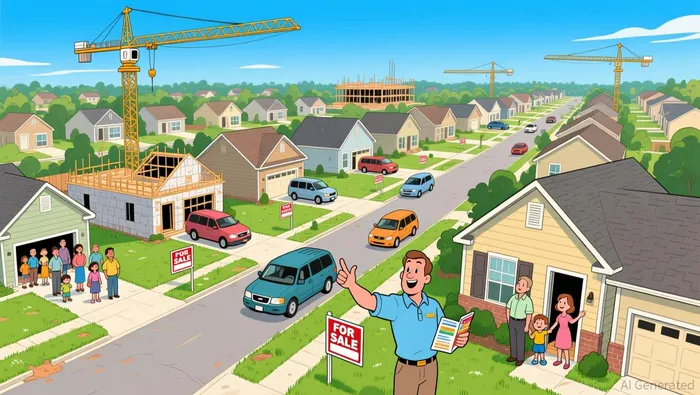 Sellers face a bifurcated market, with opportunities concentrated in regions experiencing inventory constraints. The Northeast and Midwest, for instance, are expected to see steadier price growth due to limited supply and sustained demand from out-of-state buyers according to real estate analysis. Cities like Hartford, Connecticut, and Rochester, New York, are classified as "refuge markets," where median list prices ($384,000) remain significantly below the national average ($415,000). These areas attract buyers seeking affordability, with 40% of listing views in the third quarter of 2025 coming from out-of-state buyers.
Sellers should also consider the shifting demographics of homebuyers. First-time buyers now account for only 21% of purchases, but younger generations-particularly Millennials and Gen Z-are entering their prime home-buying years. Properties that cater to these demographics, such as energy-efficient homes or flexible living spaces, may command premium prices in competitive markets.
Renters: Navigating Affordability and Investment Opportunities
Renters, especially in high-cost urban areas like New York City, will continue to face affordability challenges. However, the growing demand for rental housing is driving investment in single-family rentals and workforce housing, particularly in markets where would-be buyers remain priced out according to industry analysis. For renters seeking to transition to homeownership, the gradual easing of mortgage rates and modest price growth (projected at 2.8% nationally) may improve affordability over time.
Investors in the rental sector should prioritize regions with strong population growth and constrained inventory, such as the Sunbelt. These areas are likely to see sustained rental demand, supported by labor shortages and migration trends according to market research. Additionally, the shift toward remote work is fueling demand for suburban and exurban properties, where larger homes and lower costs align with evolving lifestyle preferences as reported in housing market analysis.
Regional Dynamics: Fragmentation as a Strategic Imperative
The 2026 housing market is defined by regional fragmentation. While the South and Mountain West benefit from population growth and improving inventory, the Northeast and Midwest face persistent supply constraints according to a comprehensive forecast. For example, inventory levels in cities like Hartford and Worcester remain 60% below pre-pandemic norms, creating upward pressure on prices despite modest national growth projections. Conversely, high-cost urban areas will likely see softer conditions as affordability challenges persist as noted in market reports.
Buyers and sellers must also account for the role of migration in shaping local markets. The Sunbelt's appeal-driven by job growth, retirement trends, and climate preferences-is expected to intensify in 2026 according to market insights. Meanwhile, "refuge markets" in the Midwest and Northeast will continue to attract buyers seeking stability and lower mortgage lock-in pressures as detailed in regional analysis.
Conclusion: Positioning for Incremental Progress
The 2026 housing market is not a tale of dramatic transformation but one of incremental progress and regional specialization. For buyers, affordability improvements and inventory gains in mid-priced markets offer opportunities. Sellers can capitalize on tight inventory and demographic shifts in refuge markets. Renters, meanwhile, must navigate affordability challenges while recognizing the growing investment potential in rental sectors.
As mortgage rates ease and regional dynamics diverge, strategic positioning will hinge on a deep understanding of local conditions. Those who align their decisions with these trends will be best positioned to navigate the complexities of the 2026 housing market.







Comentarios
Aún no hay comentarios