
Navigating 2025: How Personal Finance Firms Can Outperform in Volatile Markets Through Strategic Macro Trends
Digital Transformation: The New Foundation of Client-Centric Wealth Management
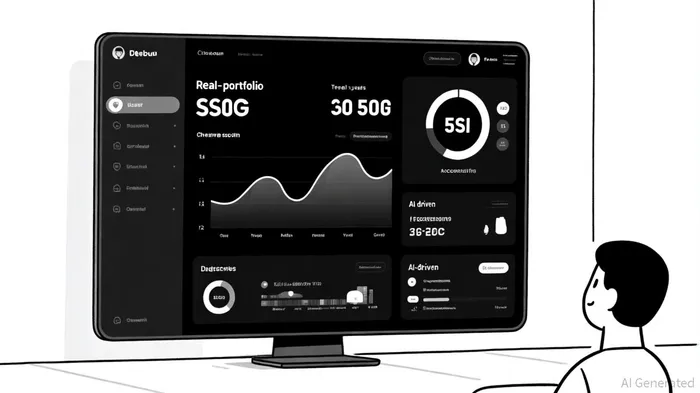
The rise of digital-first platforms has redefined client expectations. According to a Forbes report, firms that adopt AI-driven tools and seamless digital interfaces are seeing significant gains in client engagement and operational efficiency. For instance, DBX Bank's digital transformation-upgrading core systems and integrating AI into its mobile app-reduced operational costs by 30%, increased mobile app usage by 40% within six months, and accelerated risk assessments by 70% (the Forbes piece cites these outcomes). Similarly, Atlas Credit Union's cloud-based strategy cut system downtime by 90% and boosted member uptake of personalized services by 25% (as reported in the same Forbes analysis).
These examples underscore a broader shift: digital tools are no longer optional but essential for firms aiming to deliver hyper-personalized experiences. As clients demand real-time portfolio access and automated insights, wealth managers must invest in scalable technologies that blend human expertise with algorithmic precision (the Forbes report highlights this trend).
ESG Integration: A Dual Engine for Risk Mitigation and Competitive Differentiation
Environmental, Social, and Governance (ESG) considerations have evolved from niche interests to core components of investment strategies. In 2025, firms that embed ESG principles into their operations are not only attracting ethically conscious clients but also achieving measurable financial outperformance. Standard Chartered, for example, reported $982 million in sustainable finance income in 2024 through its science-based climate transition plan, with projections to exceed $1 billion in 2025, according to Top 25 ESG Case Studies. The same case study also highlights Tesla's commitment to net-zero mobility-powering its Supercharger network with 100% renewable energy-which avoided over 30 million tons of CO₂e in 2024, aligning sustainability with brand value.
Data from academic studies further validates ESG's financial impact: companies with strong ESG practices enjoy a 10% lower cost of capital and 5% higher operational efficiency, translating to stronger investor returns, as outlined in an Abacum analysis. A SpringerOpen article also notes that AI-driven ESG scoring tools are now critical for avoiding greenwashing and ensuring transparency, particularly as regulatory scrutiny intensifies.
Generational Wealth Transfer: Adapting to the Next-Gen Investor
The ongoing generational wealth transfer-projected to shift $15 trillion to millennials and Gen Z by 2030-demands a reimagined approach to client engagement. Unlike previous generations, these investors prioritize digital-native experiences and ESG-aligned portfolios. Firms that fail to adapt risk losing a critical segment of the market.
For example, wealth managers are now offering tiered pricing models and subscription-based services to cater to the complexity of intergenerational wealth planning, a trend highlighted in the Forbes analysis. Additionally, hybrid models combining automated robo-advisors with human advisors are gaining traction, addressing the need for both convenience and personalized guidance (the Forbes report documents these approaches).
Alternative Pricing Models and Operational Efficiency
Rising competition from robo-advisors and fintech platforms has forced firms to rethink traditional fee structures. Subscription-based models, performance-linked fees, and tiered pricing based on asset complexity are emerging as viable alternatives (as noted in Forbes). These models not only align with client preferences but also enhance profitability by reducing overhead costs.
Automation further amplifies this efficiency. Robotic process automation (RPA) and data fabric solutions are streamlining back-office operations, cutting costs by up to 40% while improving cross-sell opportunities through unified client data views, according to the Abacum analysis referenced above.
Conclusion: Future-Proofing Wealth Management in 2025
The firms that will outperform in 2025's volatile markets are those that embrace digital innovation, ESG integration, and generational shifts as strategic imperatives. By investing in AI-driven personalization, transparent ESG frameworks, and agile pricing models, wealth managers can not only meet evolving client demands but also build resilience against macroeconomic uncertainties. As the industry continues to evolve, the ability to adapt to these macro trends will separate leaders from laggards in the global wealth management arena.







Comentarios
Aún no hay comentarios