
Naver's Strategic Expansion into Crypto and Fintech: M&A-Driven Growth and Its Implications for Long-Term Shareholder Value
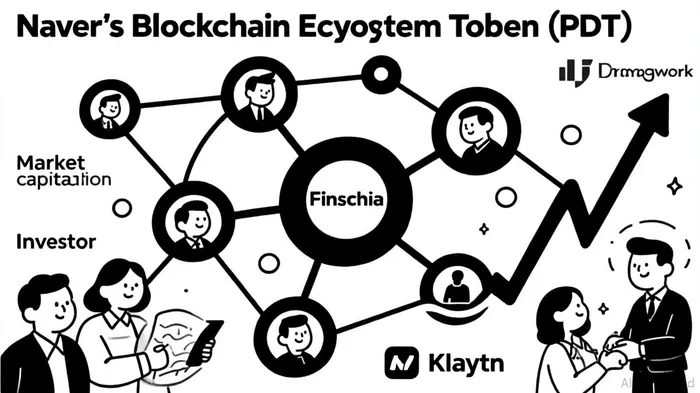
Naver Corporation, South Korea's digital powerhouse, has long been a master of strategic expansion through mergers and acquisitions (M&A). In recent years, the company has pivoted toward fintech and crypto, leveraging its dominance in search, e-commerce, and content to build a diversified ecosystem. This article examines Naver's M&A-driven growth in these sectors, focusing on the landmark Project Dragon Token (PDT) merger with Kakao and its potential to reshape the company's long-term shareholder value.
Strategic M&A in Fintech and E-Commerce: A Foundation for Growth
Naver's M&A strategy has historically centered on consolidating its digital footprint. In 2022, the company acquired Poshmark, a U.S.-based social commerce platform, for $1.2 billion, signaling its intent to dominate global e-commerce[3]. This acquisition complemented its earlier 2021 purchase of Wattpad, a digital storytelling platform, for $600 million[3], reinforcing its position in content-driven communities. These moves underscore Naver's ability to identify undervalued assets and integrate them into its broader ecosystem, creating cross-selling opportunities and enhancing user engagement.
In fintech, Naver has steadily expanded its payment infrastructure. The launch of Naver Pay in 2021, now supporting transactions in over 97,000 stores[2], reflects its ambition to digitize everyday commerce. By 2024, the company reported a 14% year-over-year revenue increase in its core search-platform and e-commerce segments[3], demonstrating the financial viability of its M&A-driven strategy.
Project Dragon Token: A Pivotal Move in Crypto
The most significant development in Naver's crypto strategy came in early 2024 with the historic merger of its blockchain subsidiary Finschia and Kakao's KlaytnKLAY-- platform under the Project Dragon Token (PDT) initiative[1]. This $1.05 billion market capitalization venture aims to create Asia's largest blockchain ecosystem by combining Naver's infrastructure with Kakao's user base. However, the merger faced initial resistance from Finschia investors over token exchange ratios[1], highlighting the challenges of aligning divergent stakeholder interests in high-stakes crypto integrations.
While specific financial metrics for PDT's impact on Naver's 2024 performance remain undisclosed[3], the company's overall financial health is robust. Naver reported a record 2024 revenue of 10.738 trillion won, a 11% year-over-year increase, driven by its core businesses[3]. Its operating profit surged 33% to 1.979 trillion won[3], supported by a strong cash position of 7.96 trillion won[3]. These figures suggest that Naver's broader M&A strategy, including PDT, is contributing to a resilient financial foundation.
Shareholder Value and Long-Term Implications
The success of Naver's crypto and fintech bets hinges on their ability to drive innovation and capture market share in rapidly evolving sectors. The PDT merger, despite initial friction, positions Naver to capitalize on the growing demand for blockchain solutions in finance, gaming, and digital identity. Analysts note that the fintech sector saw 143 crypto-related M&A deals in 2023 alone[3], indicating a trend of consolidation that Naver is well-positioned to lead.
From a shareholder value perspective, Naver's stock has delivered a 36.77% 52-week price increase[3], reflecting investor confidence in its strategic direction. While PDT's direct financial impact remains opaque, the company's forward PE ratio of 17.59 and PEG ratio of 1.78[3] suggest moderate growth expectations. If PDT achieves its goal of establishing a leading blockchain ecosystem, it could unlock new revenue streams and enhance Naver's market capitalization.
Risks and Considerations
Critics caution that the crypto sector's volatility and regulatory uncertainties pose risks to Naver's expansion. The initial resistance to PDT's token exchange ratios[1] also underscores the need for transparent governance in such ventures. However, Naver's track record of integrating acquisitions—such as Poshmark and Wattpad—demonstrates its operational agility.
Conclusion
Naver's M&A-driven expansion into fintech and crypto represents a calculated bet on the future of digital ecosystems. By leveraging its core strengths in e-commerce and content while pioneering blockchain innovation through PDT, the company is positioning itself as a multi-sector leader. While challenges remain, the alignment of Naver's financial resilience with its strategic vision suggests that long-term shareholder value is poised for growth. Investors should monitor the evolution of PDT and its ability to translate technological ambition into measurable financial returns.







Comentarios
Aún no hay comentarios