
Nature’s Sunshine Products: A Green Growth Strategy Faces Mixed Financial Winds
Nature’s Sunshine Products (NASDAQ: NATR) has long positioned itself as a leader in natural health and wellness, but its recently released 2024 Impact Report underscores a new ambition: to pair its mission of “sharing the healing power of nature” with measurable environmental and social progress. The report highlights significant strides toward its 2025 ESG goals, from achieving TRUE Zero Waste certification to reducing greenhouse gas emissions by nearly half. Yet investors must weigh these achievements against a backdrop of uneven financial performance, where top-line growth faces headwinds from currency fluctuations and rising costs.
Environmental Progress: A Model of Sustainability?
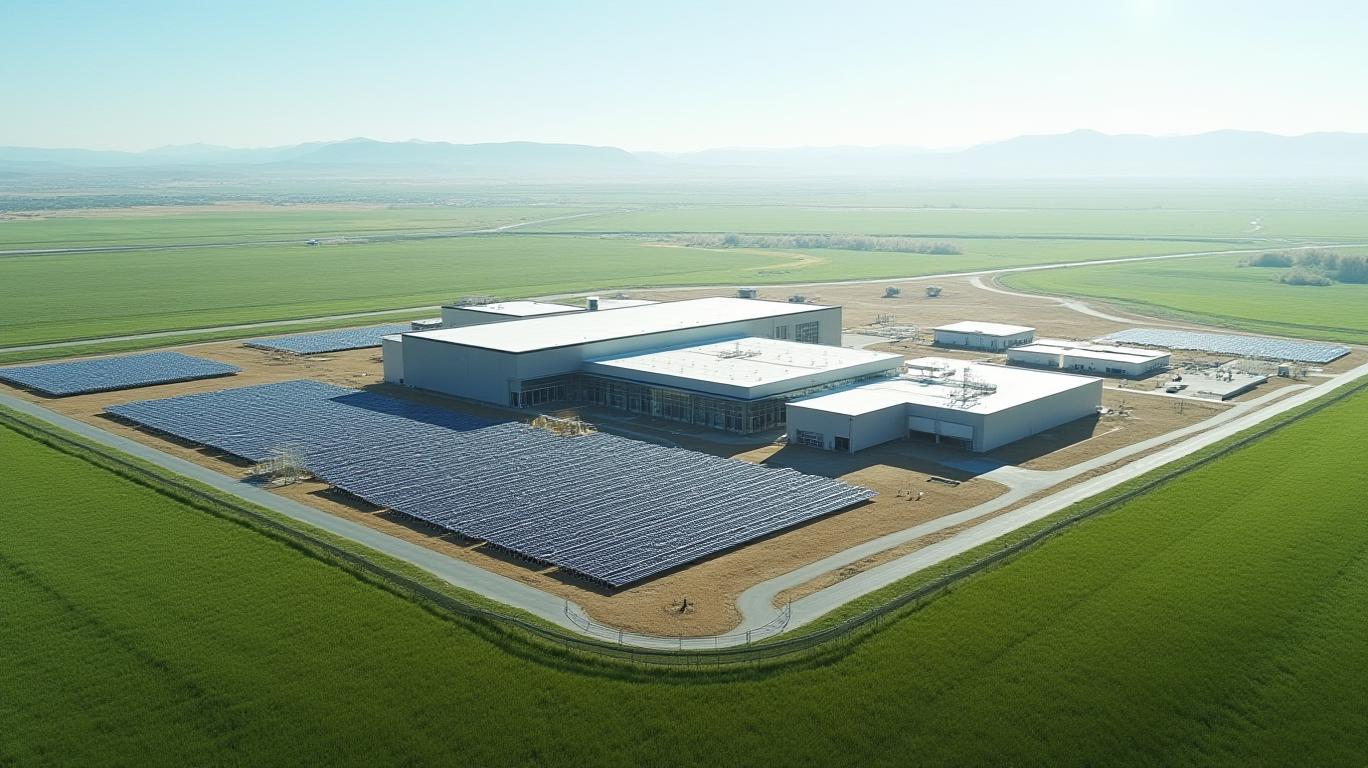
The company’s environmental initiatives are its strongest suit. In May 2024, its U.S. distribution centers earned TRUE Zero Waste Gold Certification, diverting over 90% of waste from landfills—a milestone signaling robust circular economy practices. Meanwhile, its Spanish Fork, Utah, manufacturing plant has operated on 100% renewable energy since 2022, a decision that not only reduces emissions but likely lowers long-term energy costs. By 2024, Scope 1 and 2 greenhouse gas emissions had fallen 48% compared to a 2021 baseline, putting the company within striking distance of its 50% reduction target by 2025.
Waste reduction at manufacturing facilities has also improved, dropping 32% since 2021, exceeding interim targets. These metrics suggest the company is not merely ticking boxes but embedding sustainability into its operational DNA. CEO Terrence Moorehead emphasized this point: “Environmental stewardship is fundamental to our mission.”
Social Impact and Financial Trade-Offs
The report also highlights social initiatives, such as partnerships with Vitamin Angels and Feed My Starving Children, which provided nutrition to over 1 million women and children globally. Such programs align with rising investor demand for ESG-driven social contributions. However, translating these efforts into financial gains remains challenging.
While net sales rose 2% to $454.4 million in 2024, the company’s GAAP net income fell 50% to $7.7 million, pressured by foreign exchange losses and higher SG&A expenses. A more telling metric is Adjusted EBITDA, which held steady at $40.5 million despite these headwinds. The company also maintained a strong balance sheet, with $84.7 million in cash and no debt, while repurchasing 540,000 shares at an average price of $16.42.
Investor Sentiment: Caution and Optimism Coexist
Institutional investors are divided. Firms like Millennium Management and Citadel Advisors increased their stakes, likely drawn to the company’s ESG progress and geographic growth (e.g., 21% sales growth in Asia-Pacific). Conversely, Wasatch Advisors reduced its holdings by 31%, possibly wary of profit volatility. Management’s focus on transparency—through conference calls and the public Impact Report—appears to reassure some investors, but others may prioritize near-term profitability over long-term sustainability.
Conclusion: A Balancing Act with Long-Term Potential
Nature’s Sunshine is making credible strides in sustainability, with 48% GHG reductions and TRUE Zero Waste certification signaling leadership in its industry. These achievements align with global trends: ESG-focused funds now manage over $35 trillion globally, and companies like Nature’s Sunshine are positioned to benefit from this shift. However, the financial picture is nuanced. While Adjusted EBITDA stability and share repurchases suggest underlying resilience, the drop in GAAP net income highlights short-term trade-offs.
The company’s 2025 outlook—projecting $445–$470 million in sales and $38–$44 million in Adjusted EBITDA—indicates confidence in balancing ESG investments with financial discipline. For investors, the stock (NATR) offers a bet on sustainability-driven growth in natural health products, though they should monitor currency risks and operational costs. As Moorehead put it, “protecting the planet today ensures we all thrive tomorrow.” Whether that vision translates into sustained financial returns will depend on execution—but the data so far suggests progress, not perfection.







Comentarios
Aún no hay comentarios