
The Nature-Positive Revolution: How High-End Foods Are Shaping the Future of Sustainable Consumption
The global food industry is undergoing a quiet revolution. From seaweed-based burgers to upcycled snacks, high-end food brands are redefining luxury through a lens of environmental stewardship. This shift toward “nature-positive” products—those that actively benefit ecosystems—is not just a trend but a strategic imperative. Driven by consumer demand for premium quality, ethical sourcing, and planetary responsibility, this sector is poised to redefine investment opportunities in the coming years.
The Rise of Nature-Positive Innovations
The high-end food market is increasingly prioritizing sustainability without compromising on taste or quality. Key trends include:
1. Aquatic Ingredients as Sustainable Superstars
Sea moss, duckweed, and algae are emerging as star ingredients, offering protein-rich alternatives to livestock farming. Brands like Atlantic Sea Farms (seaweed salad) and Copina Co. (sea moss beverages) are capitalizing on their nutritional and environmental benefits. These aquatic crops require minimal land and water, making them ideal for a climate-constrained world.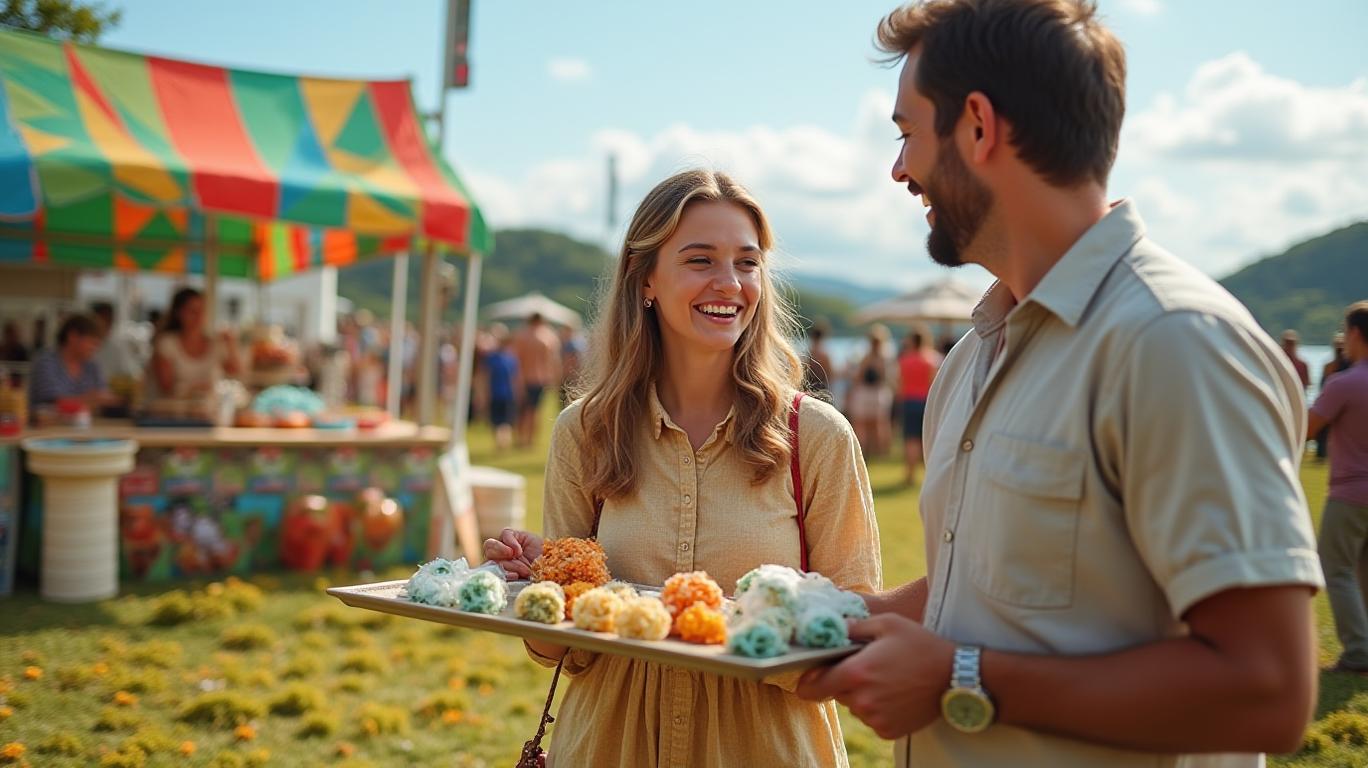
2. Packaging That Gives Back to the Planet
Compostable packaging is no longer a niche experiment. Compostic’s home-compostable cling wrap and Rainer Fruit’s compostable produce stickers are leading the charge, reducing plastic waste while appealing to eco-conscious consumers. Even premium chocolate brands like Alter Eco are adopting fully compostable truffle packaging, proving sustainability can coexist with luxury.
3. Climate-Resilient Crops and Regenerative Farming
Drought-resistant fonio grain (used by Brooklyn Brewery in its Pale Ale) and regeneratively farmed Kernza wheat (star of Patagonia Provisions’ Kernza Lager) are reshaping supply chains. These crops sequester carbon, require less water, and thrive in warming climates.
Market Momentum and Investment Opportunities
The environment-friendly and sustainable food market is booming, growing at a 7% CAGR to reach $132.89 billion in 2025, up from $124.17 billion in 2024. By 2029, it’s projected to hit $172.84 billion, fueled by:
- Consumer demand: 61% of buyers prioritize eco-friendly practices tied to product quality.
- Regulatory tailwinds: Governments are incentivizing sustainable farming and banning single-use plastics.
- Innovation: AI-driven product development (e.g., flavor optimization) and cellular agriculture (e.g., Air Protein’s lab-grown meat) are accelerating growth.
Key Investment Themes to Watch
- Sustainable Proteins:
- Plant-based and blended meats: Brands like Force of Nature Beef (ancestral beef blends) and Diestel Family Ranch (turkey with organ meats) cater to protein-conscious consumers.
Aquatic proteins: Barnacle Foods’ kelp-based snacks and Umaro’s smoked sea moss bacon highlight untapped potential in marine ingredients.
Packaging Innovation:
Companies developing compostable materials (e.g., Compostic) or upcycled packaging solutions (e.g., DisSolves Inc.) will benefit from rising regulatory pressure on plastics.
Climate-Smart Agriculture:
Regenerative farming practices, such as those used by Patagonia Provisions, could attract investors focused on carbon-negative supply chains.
Global Flavors with a Sustainability Edge:
- Brands like Tamalitoz (Mexican chili pops) and Fly by Jing (Sichuan cashews) blend cultural authenticity with eco-friendly practices, targeting adventurous, premium consumers.
Risks and Considerations
- Supply Chain Volatility: Geopolitical tensions and trade policies (e.g., U.S. tariffs) could disrupt ingredient sourcing.
- Consumer Skepticism: Greenwashing remains a risk; brands must back claims with third-party certifications (e.g., USDA Organic, Regenerative Organic).
- Cost Premium: Sustainable products often command higher prices, limiting accessibility.
Conclusion: A Niche Becomes a New Normal
The nature-positive high-end food sector is no longer a fringe market. With $132.89 billion in 2025 revenue and a 6.8% CAGR through 2029, it’s clear that sustainability is now a mainstream driver of consumer choice and corporate strategy. Investors should focus on:
- ETFs: The iShares Global Agriculture ETF (ARWR) reflects broader industry trends.
- Disruptors: Smaller brands in Whole Foods’ LEAP Early Growth Cohort (e.g., Maté Party, Freezcake) offer high-growth potential.
- Legacy Players: Companies like Amazon (AMZN), through its Whole Foods Market chain, are curating nature-positive trends and capturing premium market share.
As climate awareness and health consciousness deepen, nature-positive foods will continue to attract capital. The question isn’t whether this trend will endure—it’s which brands will lead the charge while balancing ethics, innovation, and profitability. The future of food is green, and the spoils will go to those who nourish both people and the planet.







Comentarios
Aún no hay comentarios