
NATO's Subsea Shield: Geopolitical Risks and Tech Innovation Driving Strategic Investments
The world's oceans are becoming the new battleground for global power, with undersea infrastructure—vital for data transmission, energy distribution, and military operations—emerging as a critical vulnerability. NATO's intensified focus on securing subsea assets, driven by escalating geopolitical tensions and technological advancements, is reshaping defense spending and creating lucrative investment opportunities. From AI-driven surveillance systems to cutting-edge robotics, the alliance's efforts to mitigate risks are propelling a sector ripe for innovation and capital.
Geopolitical Threats Escalate, Undersea Infrastructure at Risk
The sabotage of the Nord Stream gas pipelines in 2022 and recent damage to Baltic Sea data cables have exposed the fragility of subsea infrastructure. These incidents, widely attributed to state actors like Russia, underscore how hybrid warfare is now waged beneath the waves. Over 95% of global data traffic and critical energy supplies traverse these systems, making them prime targets for disruption.
NATO's response has been swift: the creation of the Undersea Infrastructure Coordination Cell (Cell) in 2023 aims to map vulnerabilities and coordinate defense efforts. The alliance's 2025 summit further solidified commitments, with members pledging to allocate 1.5% of their 5% GDP defense spending target to critical infrastructure protection by 2035.
Emerging Technologies: The Frontline of Defense
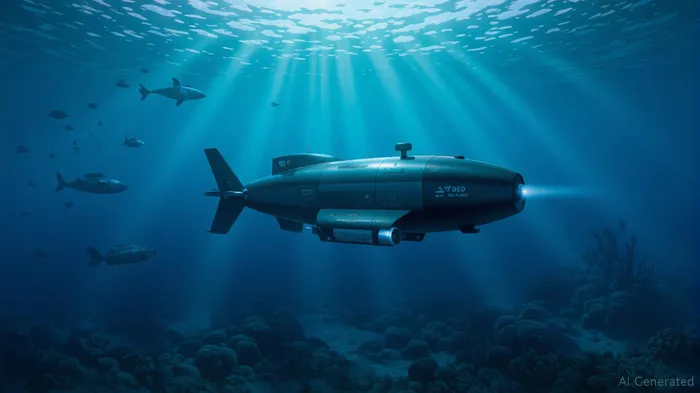
The subsea security boom is fueling demand for advanced technologies. L3Harris Technologies (LHX), a leader in subsea surveillance, has pioneered systems like the SeaHunter drone, designed to autonomously detect submarines and anomalies. Similarly, General Dynamics (GD) is expanding its subsea sensor networks, which provide real-time monitoring of pipelines and cables.
On the cybersecurity front, CrowdStrike (CRWD) and Palo Alto Networks (PANW) are fortifying infrastructure against digital intrusions. Their AI-driven threat detection tools are critical for preventing cyberattacks that could cripple undersea systems. NATO's Digital Ocean initiative, launched in 2024, further emphasizes integrating these technologies into a unified, interoperable network.
Investment Opportunities in a High-Stakes Arena
The confluence of geopolitical urgency and technological progress creates a compelling investment thesis. Defense contractors like LHXLHX-- and GDGD-- stand to benefit from NATO's funding surge, while cybersecurity firms such as CRWDCRWD-- and PANW are positioned to capitalize on infrastructure hardening demands.
Investors should also monitor ETFs like the SPDR S&P Defense ETF (XARX), which tracks defense and aerospace equities, as subsea tech gains prominence. However, risks remain: fiscal constraints in high-debt nations like Italy and France could delay funding timelines. Yet, the private-sector partnerships highlighted in NATO's Critical Undersea Infrastructure Network initiative mitigate these concerns by spreading development costs and expertise.
Conclusion: A Strategic Bet on Resilience
The subsea infrastructure sector is no longer a niche investment theme—it is a geopolitical and technological imperative. With NATO's coordinated push for innovation and the tangible threats to global systems, companies at the forefront of subsea defense and cybersecurity are poised for sustained growth. While geopolitical volatility persists, the sector's defensive nature and long-term demand for resilience make it a prudent addition to diversified portfolios.
Investors seeking exposure should prioritize firms with proven track records in undersea tech and cybersecurity, while staying attuned to geopolitical developments that could accelerate funding and adoption. The depths of the ocean may be the next frontier for both conflict and opportunity.





Comentarios
Aún no hay comentarios