
NATO Members Question U.S. Tariffs, Citing Economic Cooperation Clause
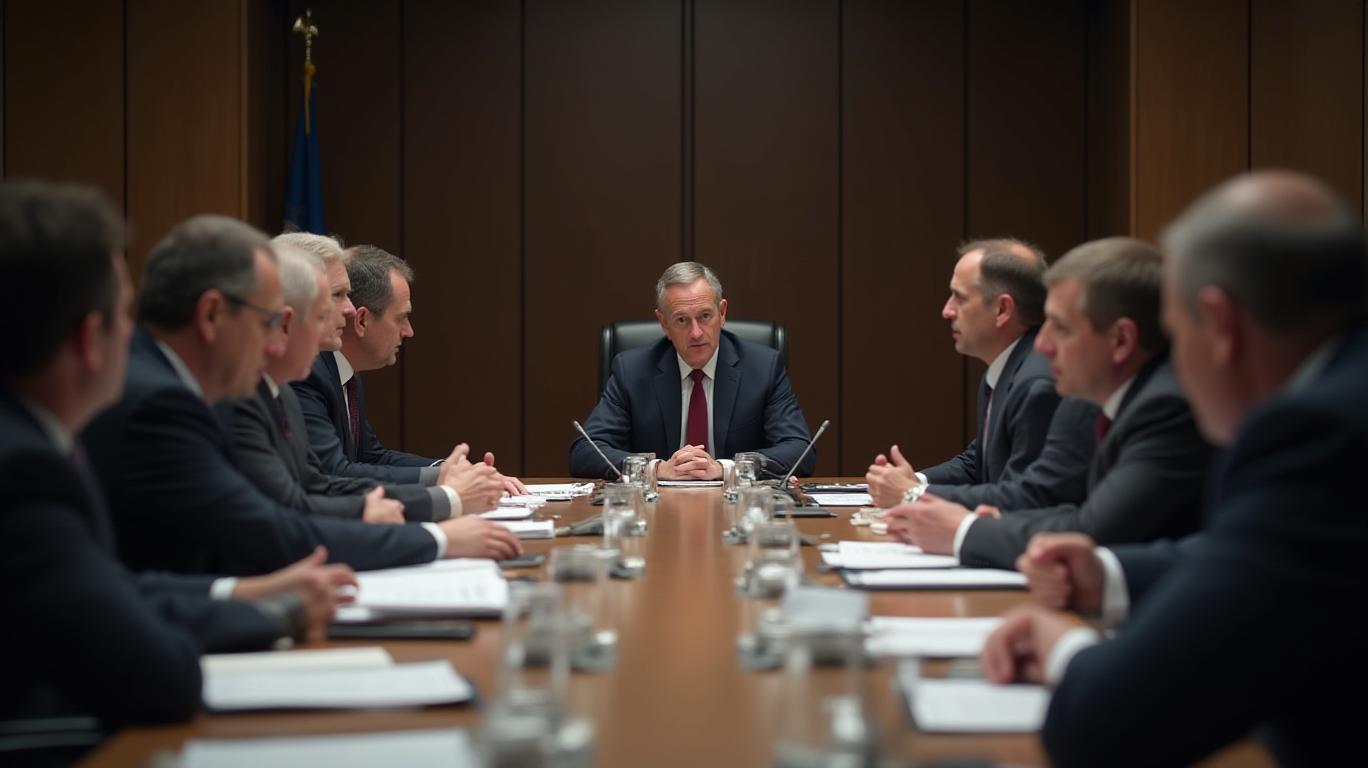
The recent tariff measures implemented by the United States have sparked internal debate within the North AtlanticATLN-- Treaty Organization (NATO), with some member states questioning whether these actions violate the economic cooperation clauses outlined in the alliance's charterCHTR--. During a meeting in Brussels, Norway's Foreign Minister Espen Barth Eide read aloud the second article of the NATO treaty, which emphasizes that member nations should avoid economic conflicts. This action underscores the growing tension within the allianceAENT-- over the economic policies of the United States.
Eide's remarks were directed at U.S. Secretary of State Marco Rubio, highlighting the concern that the tariff measures could lead to economic conflicts among NATO members. Eide stated, "I think he understood my point. And there are many European countries that agree with me." This sentiment was echoed by several European foreign ministers who expressed worry that the tariffs could lead to inflation, thereby hindering their ability to increase defense spending.
Dutch Foreign Minister Caspar Veldkamp, for instance, stated, "We do not want the extra money we put into defense to go towards inflation. We want it to be used for equipment, defense, and strengthening deterrence." This concern reflects a broader worry within NATO about the potential economic fallout from the U.S. tariff measures and their impact on the alliance's defense capabilities.
The tariff measures, initiated by former U.S. President Donald Trump, have been a contentious issue, particularly in relation to China. Trump's administration imposed a 34% tariff on Chinese goods, effectively raising the total tariff rate to 54%. In response, China announced retaliatory measures, including a 34% tariff on U.S. imports. This escalation has led to concerns about the potential disruption of global trade and economic stability.
The economic implications of these tariffs are significant. The U.S. has also targeted other major trading partners, including the European Union and Japan, with varying tariff rates. For instance, the U.S. imposed a 20% tariff on EU goods, while the EU's tariff on U.S. goods stands at 39%. Similarly, Japan faces a 24% tariff from the U.S., compared to Japan's 46% tariff on U.S. goods. These measures have been criticized for potentially undermining the global free trade order that the U.S. has championed since World War II.
The internal debate within NATO highlights the broader implications of these economic policies. The alliance, which is primarily a military organization, has traditionally focused on security and defense. However, the economic measures taken by the U.S. have raised questions about the compatibility of economic policies with the alliance's broader goals. The reading of the NATO charter by Norway's Foreign Minister serves as a reminder of the importance of economic cooperation among member states.
The situation underscores the need for a balanced approach to economic policy that considers the interests of all member states. While the U.S. has justified its tariff measures as a means to protect domestic industries and achieve strategic goals, the potential for economic conflict within the alliance cannot be ignored. The debate within NATO reflects a broader concern about the potential for economic policies to undermine the alliance's cohesion and effectiveness.







Comentarios
Aún no hay comentarios