
NATO's New Frontline: How German-U.S. Diplomacy is Fueling a Defense Spending Supercycle – and Where to Invest
The geopolitical chessboard has shifted decisively. As Russian aggression in Ukraine drags on, Germany's Chancellor Friedrich MerzTOMZ-- and U.S. President Donald Trump have struck an uneasy yet strategic accord. Their June 2025 White House meeting crystallized a pivotal moment: Germany's pledge to reshape its military posture while navigating U.S. demands for higher defense spending and trade concessions. This alignment has ignited a defense spending supercycle across Europe, creating fertile ground for investors in German contractors and NATO-aligned tech firms. But the path to profit is fraught with pitfalls.
The Merz-Trump Deal: A Catalyst for Defense Spending
Merz's engagement with Trump underscores a pragmatic calculus. Germany, long criticized for lagging NATO defense spending targets, has now committed to a radical rearmament plan. By amending its constitution to permit higher defense expenditures, Germany aims to boost spending to 3.5% of GDP by 2032, with an additional 1.5% allocated to defense-related investments. This dwarfs the current 2% threshold, signaling a seismic shift in European military readiness.
Yet Trump's demands go further. He insists NATO allies reach 5% GDP on defense by 2032, a goal Merz has reluctantly embraced. The U.S. sees the upcoming NATO summit in The Hague as a platform to cement these commitments, leveraging its leverage over German automakers and steel exports. For investors, this creates a clear theme: geopolitical risk is now a profit driver for defense firms.
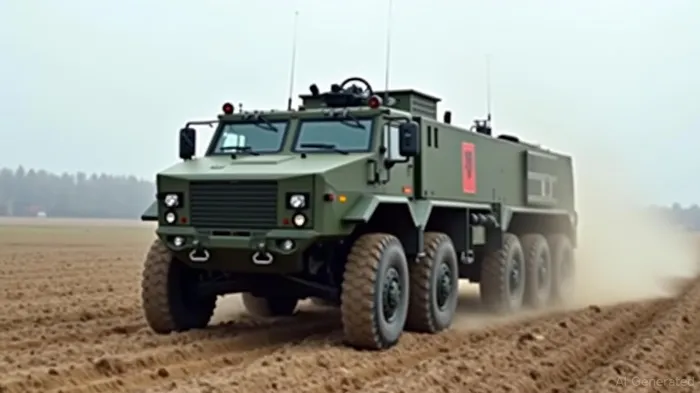
Defense Contractors: The Winners of the New Cold War
The defense sector is surging, but not all players are created equal. Let's dissect the opportunities:
1. Rheinmetall (XTRA:RHMG): The European Defense Darling
Rheinmetall's 194% stock surge over 12 months epitomizes this trend. Its order backlog has swelled to €55 billion, fueled by contracts for armored vehicles and artillery systems. Analysts at Morningstar now value the company at €2,220 per share, up from €1,310, citing a €1.8 trillion equipment spending opportunity by 2030.
2. Airbus (EPA:AIR): Aerospace Dominance with NATO Synergy
Airbus's role in transatlantic interoperability—think drones, satellites, and logistics—positions it to capitalize on Germany's green infrastructure fund and NATO's tech-driven modernization. Its defense division, which accounts for 20% of sales, is poised for growth as European allies seek to reduce reliance on U.S. systems.
3. Rolls-Royce (LON:RR): Powering the Next Generation
While best known for jet engines, Rolls-Royce's defense revenue has skyrocketed, thanks to contracts like the AUKUS submarine pact and upgrades for B-52 bombers. Its defense order book hit £9.2 billion, driving a 104% stock surge since March 2024.
The ETF Play: Riding the Defense Wave
Investors can also access this theme through targeted ETFs:
- Themes Transatlantic Defense ETF (NATO): Up 35% in 2025, tracking firms like Boeing and GE Aerospace.
- iShares European Defense ETF (EUAD): A staggering 70% YTD gain, focusing on pure-play European firms.
- SPDR European Shield ETF (SHLD): Gained 55% YTD, emphasizing cybersecurity and tech-enabled defense systems.
Risks: Trade Tensions and Diplomatic Volatility
The path isn't without potholes. U.S. tariffs—25% on German cars, 50% on steel—threaten to derail momentum. A breakthrough in Ukraine talks or a U.S.-EU trade deal could abruptly reduce defense urgency. Investors must monitor:
- Trump's tariff stance: A rollback could lift German automakers but hurt defense contractors reliant on U.S. exports.
- NATO summit outcomes: A failed agreement on 5% GDP spending could spark a sell-off.
Investment Strategy: Go Long, but Hedge the Risks
Go overweight in German defense contractors like Rheinmetall and Airbus, and consider ETFs tracking the sector. However, hedge against trade volatility by:
1. Shorting trade-exposed stocks: Auto manufacturers like BMW or steel firms could suffer if tariffs persist.
2. Allocating to defensive sectors: Utilities or healthcare can offset cyclical defense downturns.
3. Avoid overpaying for momentum: Stocks like Rolls-Royce, up over 100%, may face profit-taking as geopolitical risks ease.
Conclusion: The Defense Supercycle is Here – but Stay Vigilant
Germany's strategic pivot under Merz has turned defense spending into a growth engine. For investors, this is a decade-long theme, driven by Russia's aggression and NATO's need for interoperability. Yet success demands a nuanced approach: embrace the winners, but stay ready to pivot if trade wars cool or peace breaks out. The battlefield of equities, like the real one, rewards discipline.







Comentarios
Aún no hay comentarios